Tennessee’s Botched Execution: Christa Pike Survives Lethal Injection
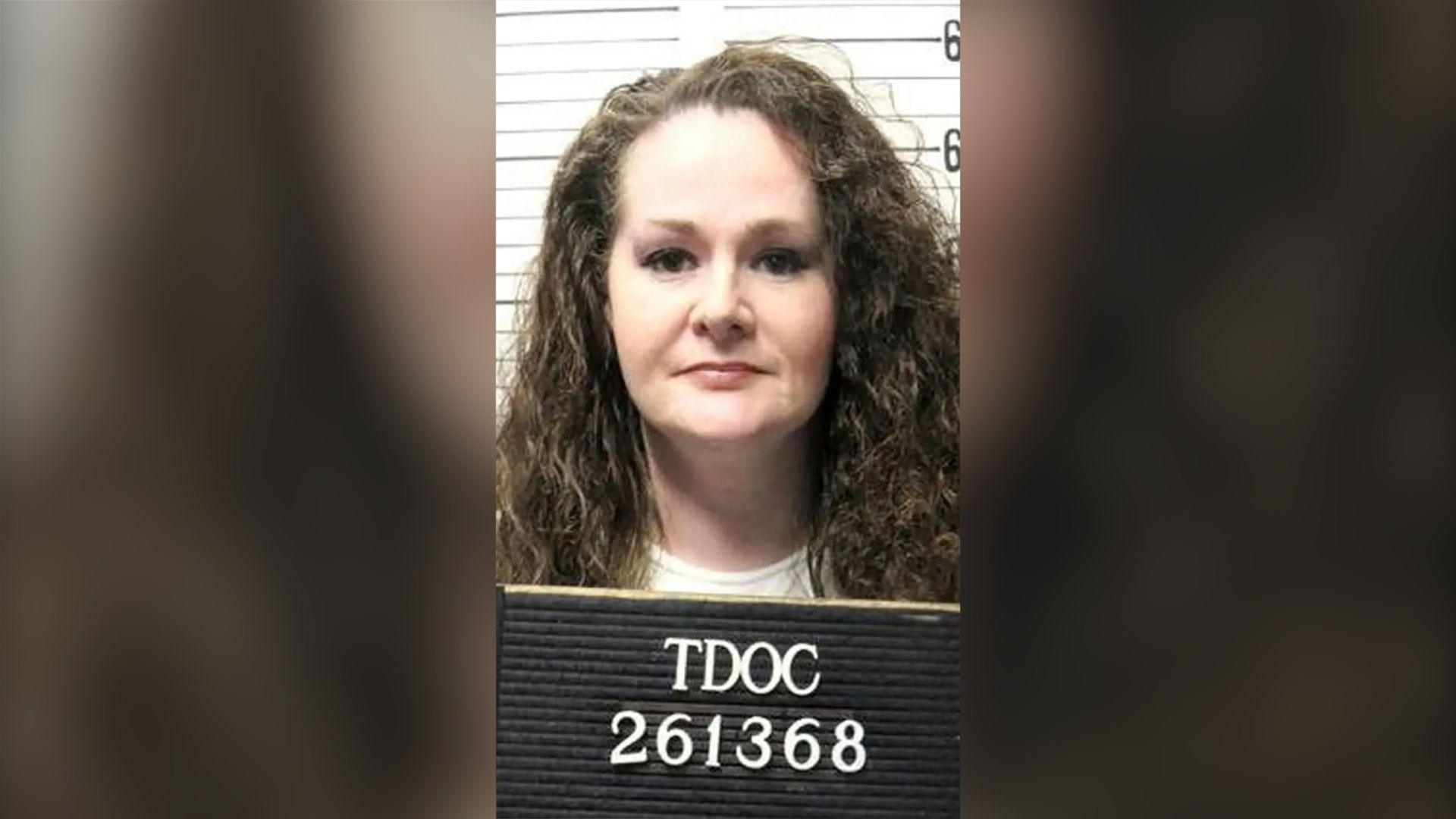
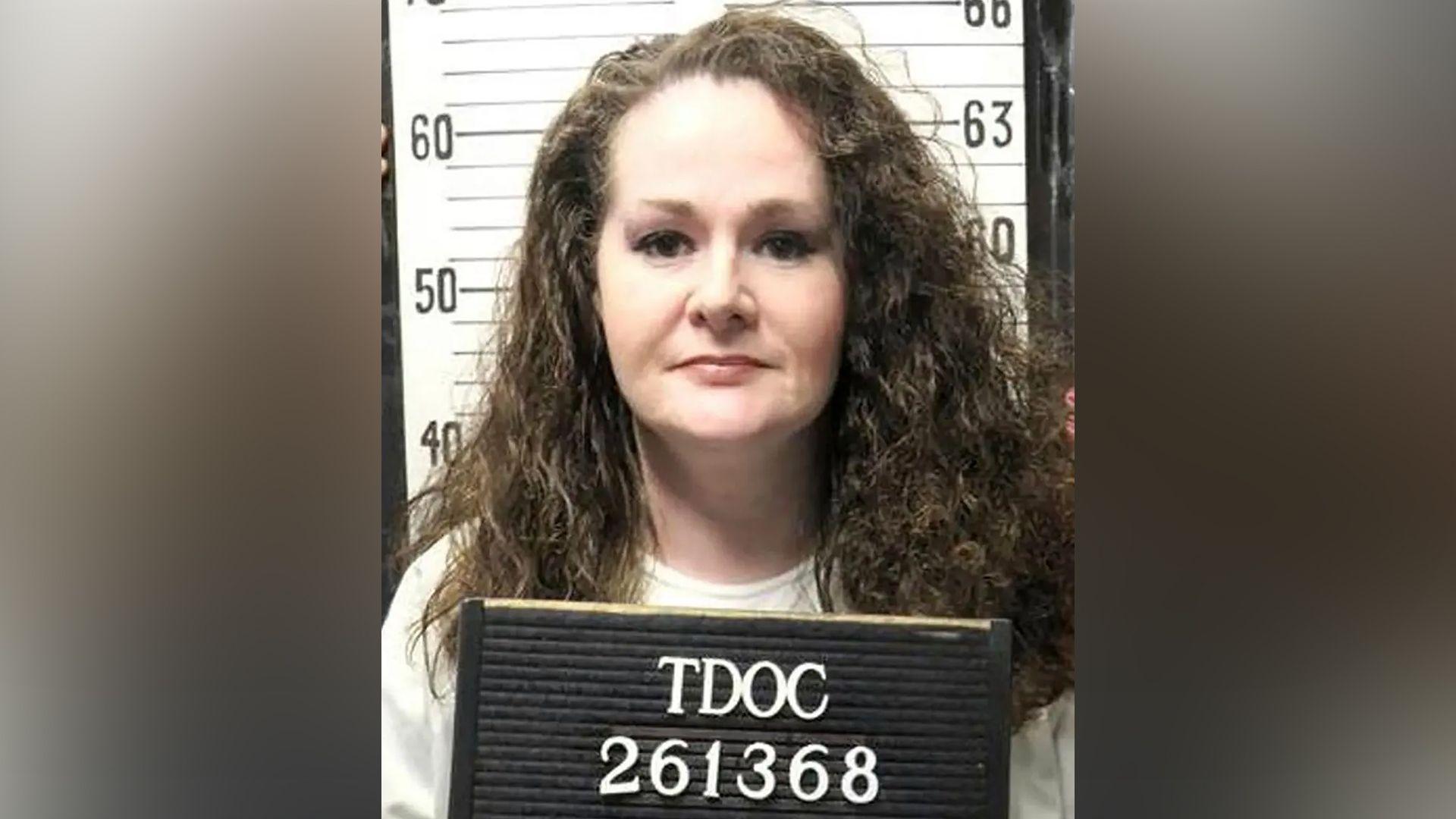
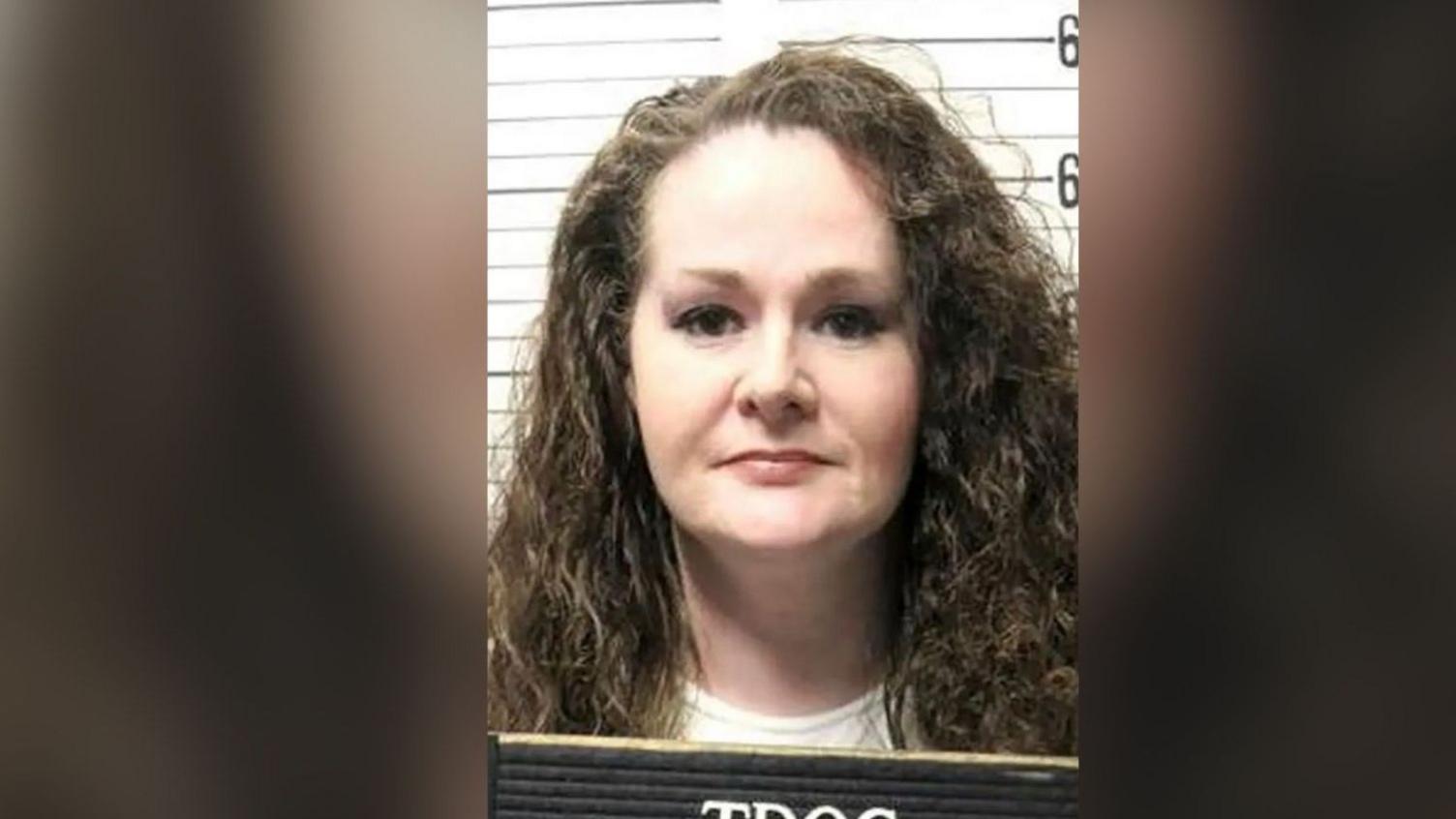
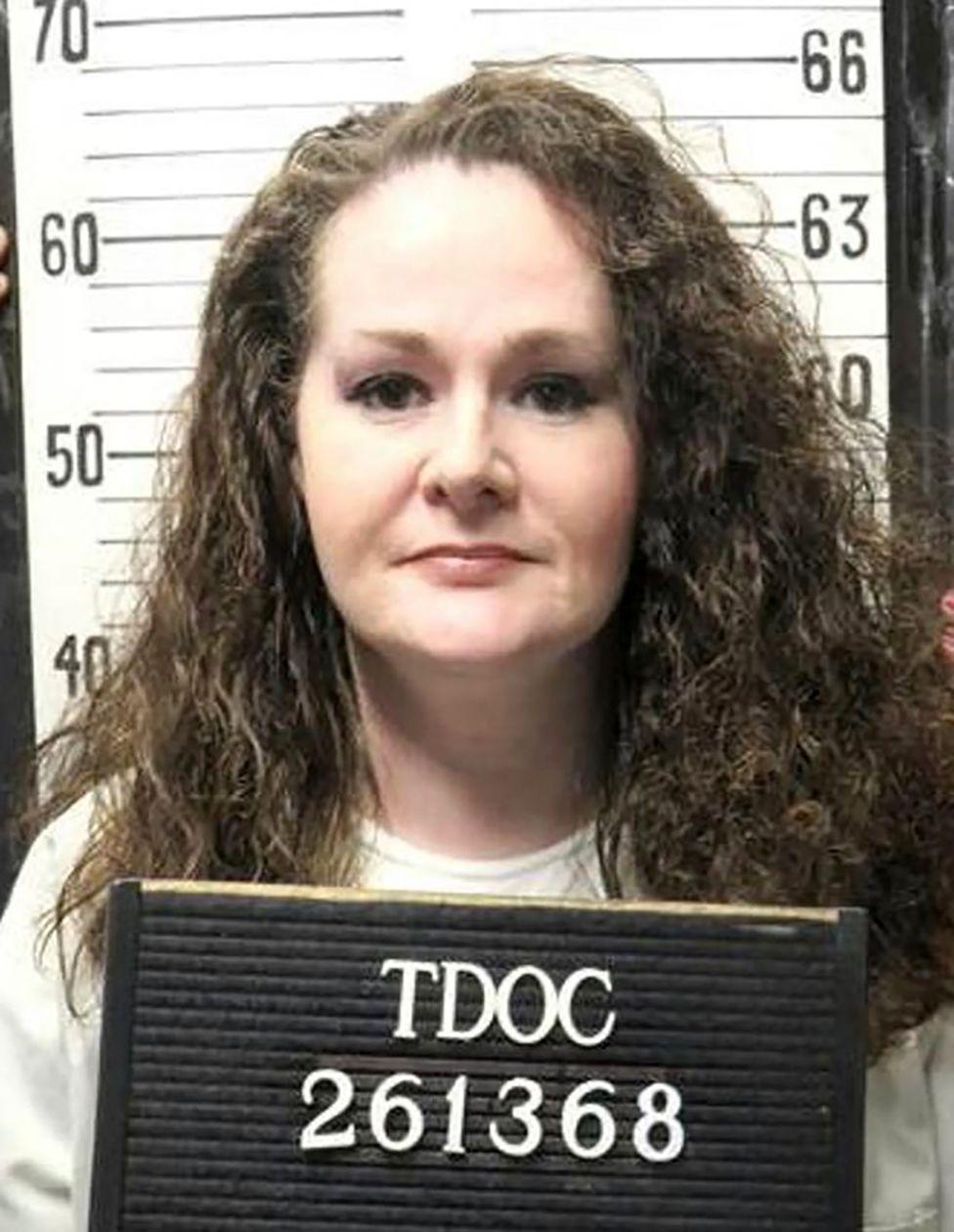
U.S. death row inmate Christa Pike was scheduled for execution in Tennessee on a Wednesday night. A second dose of the sedative pentobarbital, administered to facilitate death by lethal injection, did not lower her heart rate, and witnesses noted that she was still audible as she snored.
What Went Wrong?
State officials say the Tennessee protocol forbids extra procedures beyond the two standard injections. The protocol lacks guidance for cases where a prisoner remains alive after the second dose. Medical experts, including Dr. Joel Zivot of Emory University, suggest the drugs may have been degraded or insufficiently dosed, preventing the fatal blood concentration.
Next Steps in the Legal Process
Pike was moved to an outside medical facility where her lawyers confirmed she is receiving life‑saving treatment. Her condition remains uncertain, and potential brain injury has been cited due to delayed resuscitation. Governor Bill Lee has ordered an independent review of the execution and ruled that the remaining scheduled execution in the state will not take place that year.
Broader Context of Botched Executions
Encounters with malfunctioning lethal injections are increasingly common. The U.S. Death Penalty Information Center reports that over a third of 2022 executions were marked as botched. Tennessee itself experienced another halted execution earlier in the year when a vein could not be located for the injection. Historically, states sometimes schedule a second execution if the first fails, but the legal and moral scrutiny has intensified.
The Drug Behind the Execution
Pentobarbital, a potent sedative used medically at high doses to induce unconsciousness, is the chemical of choice for lethal injection in many states. Federal officials banned its use in 2023 under concerns of unnecessary pain, but Tennessee has not adopted that restriction.
Calls for Reform
Backers of abolition cite this incident as evidence that state executions can inflict prolonged suffering. Critics point to the “secrecy” surrounding lethal injection protocols as a factor that allows for missteps and moral ambiguity. The debate over whether the death penalty should persist or be reformed continues across the United States.