WASHINGTON (AP) — Concerns over privacy and surveillance have intensified following revelations that the Justice Department (DOJ) may have been monitoring the search histories of lawmakers reviewing files related to the Jeffrey Epstein investigation.
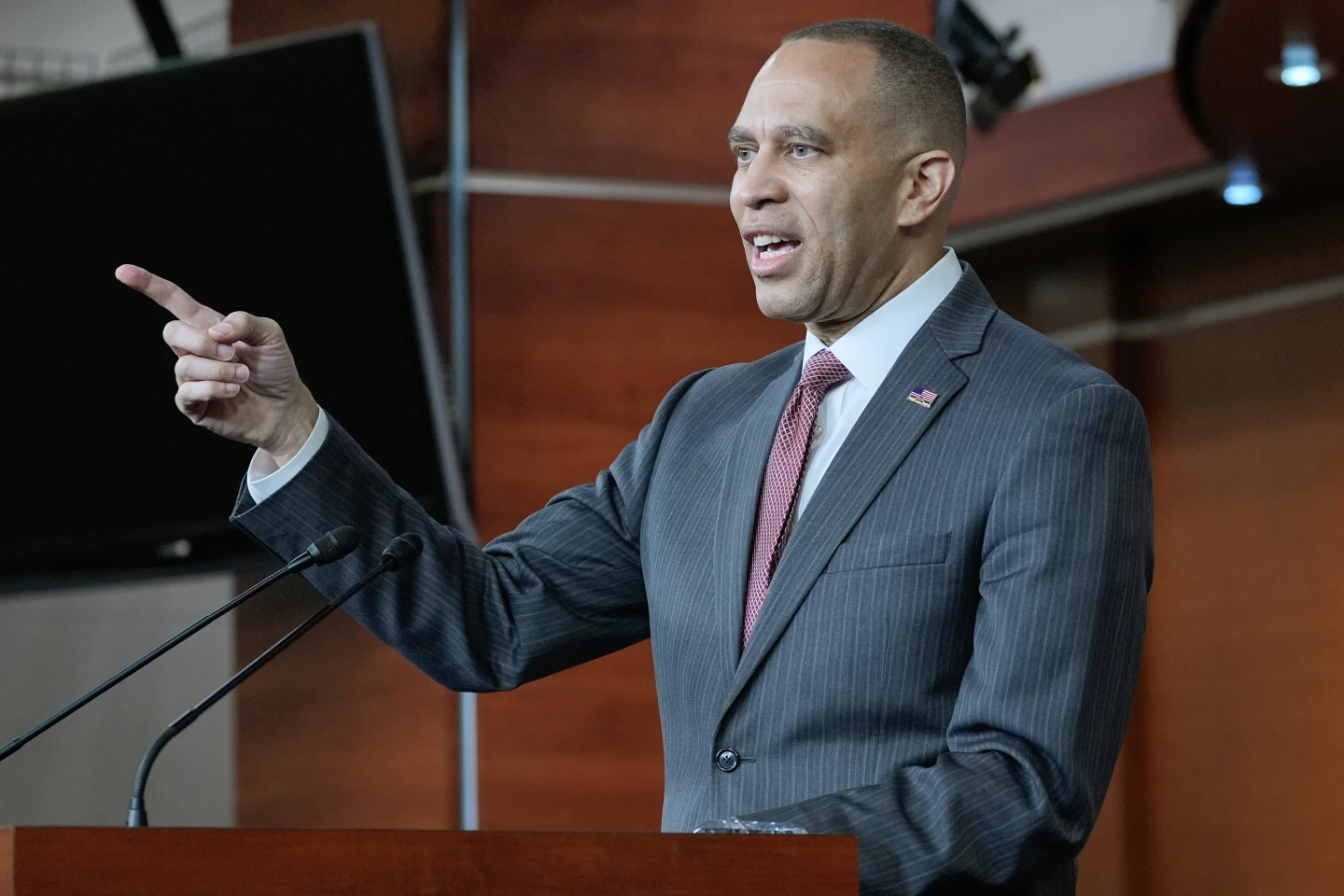
Rep. Jamie Raskin, the leading Democrat on the House Judiciary Committee, has urged the DOJ's inspector general to launch an investigation into the matter, describing it as unauthorized 'spying' on members of Congress.
The controversy gained traction after images surfaced showing Attorney General Pam Bondi at a hearing with a binder open to a page titled 'Jayapal Pramila Search History', which included a list of documents examined by the congresswoman and others.
Pramila Jayapal reacted strongly to the allegations, labeling the situation as 'totally unacceptable' and highlighting her intention to demand accountability from the DOJ regarding the use of search history data.
Earlier this week, both Democratic and Republican lawmakers had visited a DOJ annex to examine less-redacted files in connection with the Epstein case. Some of those present voiced concerns that significant information about Epstein's associates was still being withheld.
In a critical statement, Raskin remarked, 'Bondi has enough time to spy on Members of Congress, but can’t find it in herself to apologize to the survivors of Epstein’s horrific abuse.' He stressed that the DOJ must halt any tracking of lawmakers and ensure that all relevant files are released with proper redactions to protect survivors.
The DOJ has not yet commented on the matter, and a spokesperson declined to provide any immediate response to media inquiries regarding the allegations of surveillance.
This unfolding situation raises crucial questions about the balance between oversight in government actions and the rights of elected officials to conduct investigations without their activities being monitored.