In brief
The EU announced that it will slow the rate at which the caps on carbon-emission permits are lowered, stretching the free-allowance period to 2038 and easing the yearly cut rate from 4.3% to 1.7%. The move, presented as a more business‑friendly approach, intends to keep the Emissions Trading System (ETS) aligned with the bloc’s goal of a 90% reduction in net greenhouse‑gas emissions by 2040. While the Commission says the proposal offers firms more time to invest in decarbonisation, it has drawn criticism from green lawmakers and support from poliotric countries like Poland, which wish for even weaker commitments. The reform reflects growing pressure to balance economic resilience with climate responsibility as Europe faces escalating heatwaves and a complex policy environment.
The European Union has unfolded a plan that would retreat the pace at which firms’ greenhouse‑gas limits are tightened, a move that could see a shrunk cap schedule until 2038.
Under the draft, the cap on EU ETS permits would be lowered at a reduced yearly rate of 1.7% from 2036 instead of the proposed 4.3% drop. The revision would also keep free allowances available until 2038 and provide 80% of the permits upfront to businesses that commit to decarbonising in Europe, with the remaining 20% released when those investments take place.
“We are adopting a more business‑friendly…savvy approach,” EU climate commissioner Wopke Hoekstra said, framing the design as a safeguard against industrial shock and an alignment with the EU’s 90% emissions cut target by 2040.
The Committee says the slower reduction would still eventually bring the EU ETS in line with the bloc’s climate ambition, but critics argue the deferral could undermine the urgency needed to curb global warming.
Poland’s climate minister, Paulina Hennig‑Kloska, welcomed the proposal, pledging to push for further relaxation, while a green MEP, Michael Bloss from Germany, warned that the plan would lead to “gigantic climate pollution” and a poorer future for coming generations.
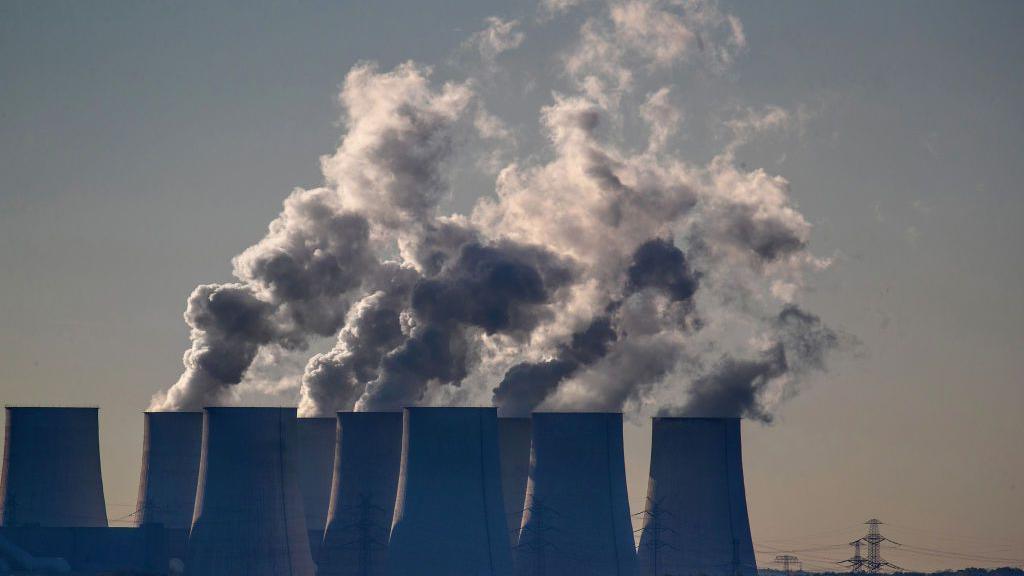
The main ETS framework, which began in 2005, has historically required businesses to purchase a permit for each tonne of CO₂ released, giving them a financial incentive to shift towards cleaner technologies. The new design would ease that pressure but still maintain a gradual cap reduction to keep emissions falling.
With its temperature records shattered this summer and heat events noted in Hungary, Czech Republic, and Germany, Europe’s climate urgency has taken on new urgency; the EU’s policy shift could determine how quickly industrial emissions are curtailed.