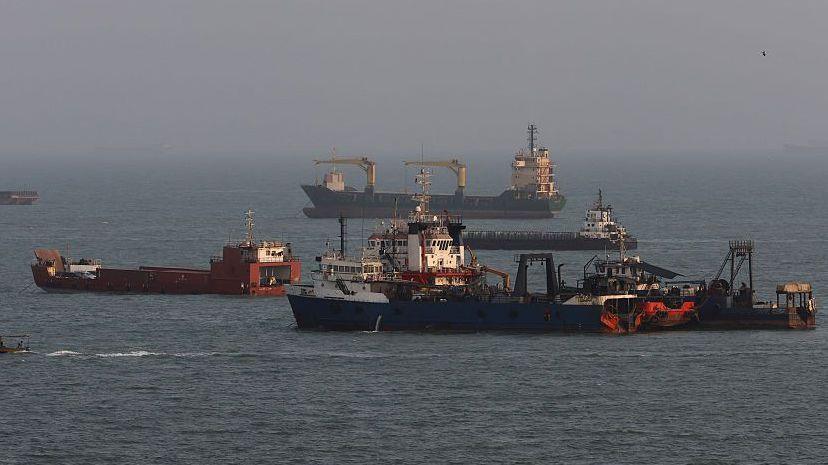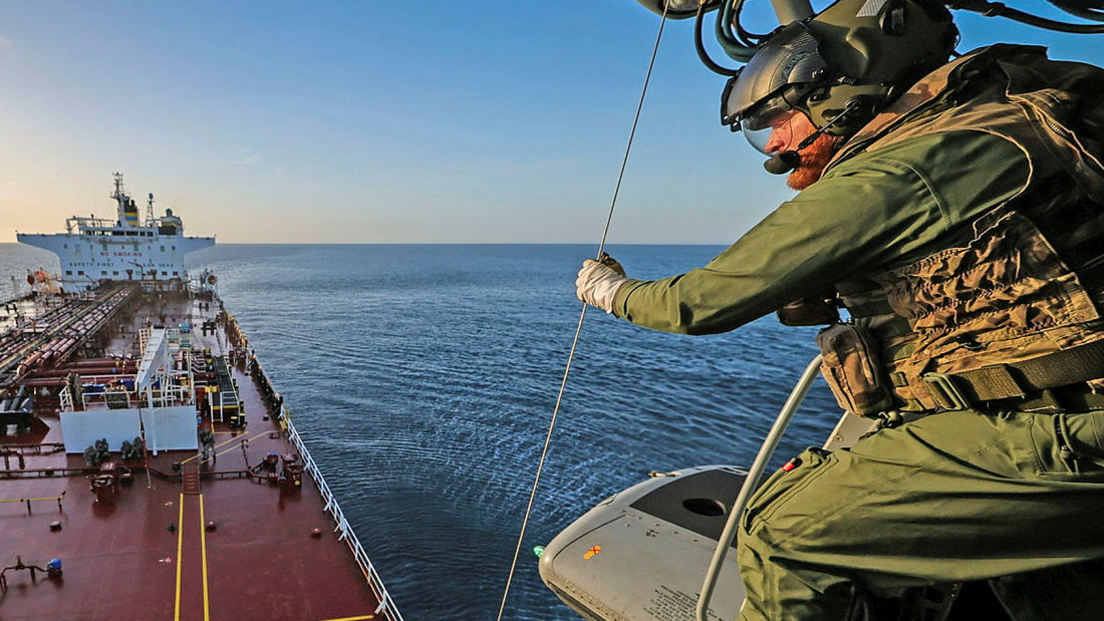
The United Kingdom has publicly defended the seizure of the MT Smyrtos, a Russian oil tanker believed to be part of the so‑called "shadow fleet" that circumvents sanctions on Russian energy exports. The operation, carried out by Royal Marine Commandos, took place off Weymouth in June and involved boarding the vessel, detaining the crew, and arresting its captain, Ajay Pant, on charges of breaching Russian sanctions.
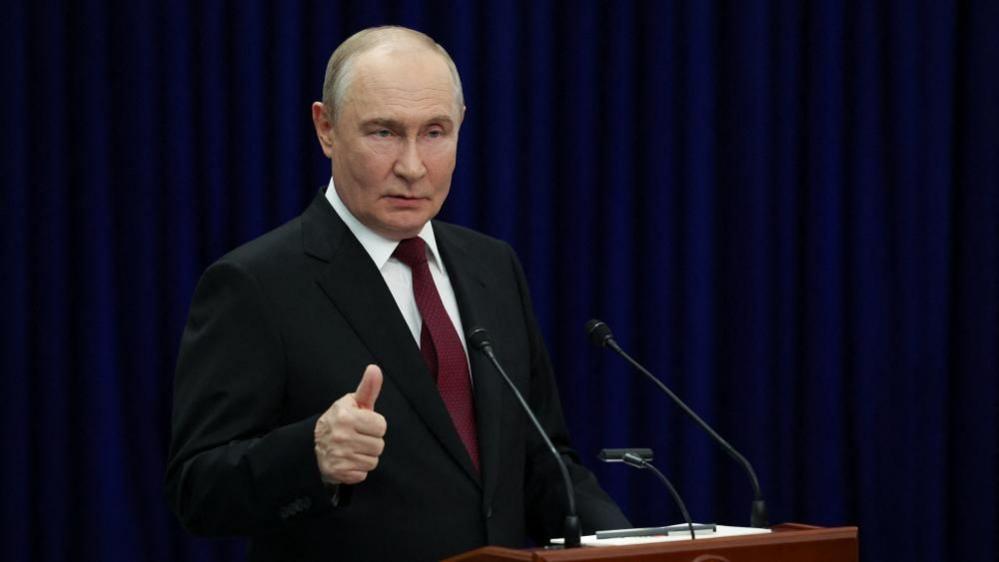
The seizure comes amid recent comments from Russian President Vladimir Putin, who warned that the United Kingdom and other Western states would need to "respond in kind" should such actions continue. In a monologue addressing Russian sailors, Putin described the seizure of Russian vessels as piracy and an infringement on maritime law, accusing the West of operating their own “shadow fleets”.
The UK Defence Ministry emphasised that its operation complied with international law and was part of broader efforts to disrupt vessels that facilitate Russia’s war against Ukraine. They cited data indicating that Russia operates more than 700 vessels that carry about 75% of its sanctioned oil, a lifeline they say fuels the Kremlin’s military campaign. The Ministry stated that UK naval and commercial vessels adhere strictly to maritime law, in contrast with the alleged illicit activity of Russia’s shadow fleet.
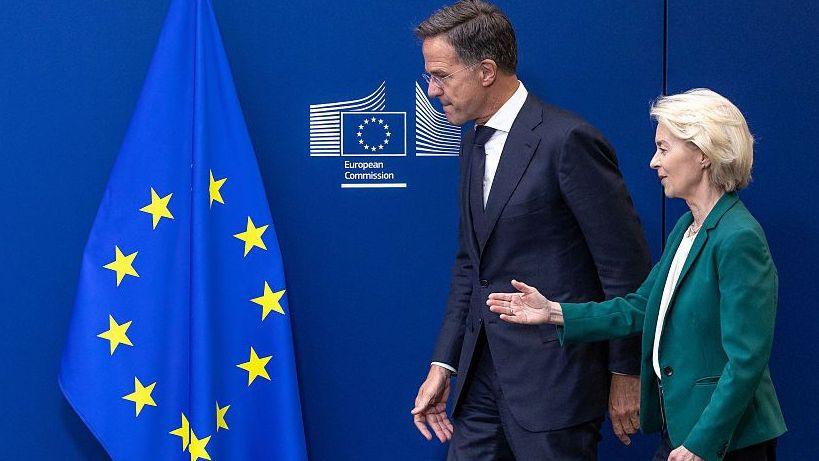
European Union officials have stepped up pressure on the shadow fleet, sanctioning individual vessels in 2024 and, as of mid‑August 2026, blacklisting over 630 vessels, preventing them from visiting EU ports. Several EU countries, including Italy, have boarded and detained Russian-linked tankers in the Mediterranean. The EU’s missions often involve inspections of flagged vessels suspected of misrepresenting their ownership or insurance details.
The incident highlights the complex interplay of geopolitics, maritime security, and economic sanctions. While the UK views the action as a lawful enforcement of sanctions, Russia’s leadership sees it as an aggressive interdiction that threatens international norms. Maritime law scholars note that the legality hinges on whether the vessel indeed violated sanctions and whether proper jurisdiction was observed, a debate that continues as the siege of the tankers carries an escalating strategic weight in the broader conflict over Ukraine.