# A Balancing Act: Ebola in a Battlefield
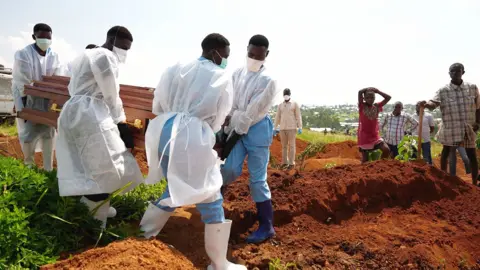
On , the world’s attention turned to the eastern part of the Democratic Republic of Congo (DRC) as the ravages of Ebola intersected with an escalating new wave of armed hostilities. The conflict‑marked province of Ituri is now the epicenter of a burgeoning Ebola outbreak, a scenario that WHO has described as a “catastrophic collision”.
## Multiple Fronts: Disease, Conflict, and Economy
### WHO’s Dire Warning
World Health Organization (WHO) Director‑General Dr. Tedros Adhanom Ghebreyesus travelled to the DRC to lead the intensified response. “We cannot build community trust or isolate the sick while bombs are falling,” he tweeted on X. He accused the military‑run administration in Ituri, which took over in 2021, of further straining healthcare infrastructure and hindering efforts to contain new cases.
### Local Health Authorities at a Loss
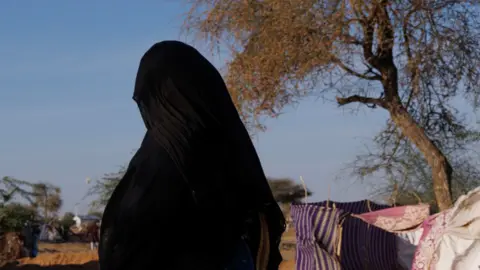
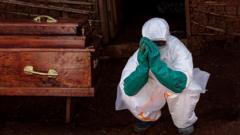
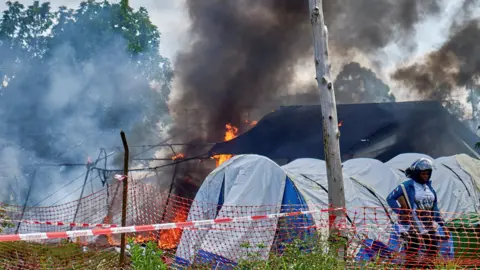
DR Congo’s Ministry of Health reports that of the 220 suspected deaths, only 17 have been confirmed in laboratories. A paucity of diagnostic test kits—just 2,000 distributed today with 4,000 more pending—means the actual number of infected and exposed individuals may be underreported. The eject of mass displacement caused by the conflict has channeled people into overcrowded camps, where they are exposed to a highly contagious virus.
### Donor Fatigue and Funding Cuts
The conflict has stretched local health services thin, with only a handful of robust facilities remaining functional in some parts of Ituri. International donors have begun to cut back, arguing that secure access cannot be granted in an area dominated by conflicting armed groups.
## Diplomatic and Travel Responses
### Travel Bans
A number of governments have issued travel restrictions, citing concern over the spread of Ebola. Canada has limited entry for nationals from the DRC, Uganda, and South Sudan for 90 days. The Bahamas, the United States, and other jurisdictions have mandated isolation or quarantine for travelers from the region.
### The Virus Itself
The strain circulating here is the Bundibugyo variant. Unlike the Zaire strain that has a 40–60% fatality rate, Bundibugyo has an estimated 10–24% risk, yet no vaccine or proven treatment exists. The outbreak’s creeping pace underscores the urgent necessity for both pharmacological research and human‑based containment.
## International Mobilization
### ECDC’s Plan
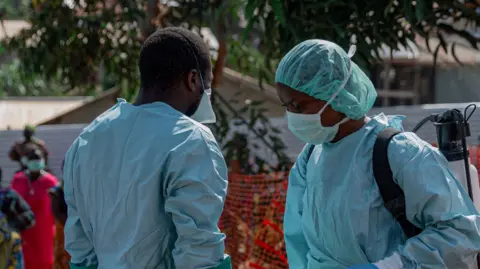
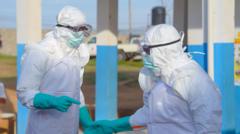
The European Centre for Disease Prevention and Control (ECDC) announced on Monday it would deploy more experts via the EU Health Task Force to DRC. Their focus is to assist with contact‑tracing and risk‑assessment.
### Experimental Therapy Options
In Geneva, a U.S. antibody‑based treatment that has proven promising in animal studies is being considered for expedited deployment. Still, logistics and political approval hurdles loom.
## Voices on the Ground
### Médecins Sans Frontières
MSF’s Vice‑President for DRC, Ewald Stals, communicated: “Slowly but surely, we are conducting activities, but we are still far behind having a full picture of what is happening.” He cited “insufficient testing” and “insecurity” as the main obstacles.
### WHO’s Cease‑Fire Call
Dr. Tedros urged all militias to observe an immediate cease‑fire. “Humanitarian access must be granted,” he stated. “Only then can frontline workers detect cases, provide care, and establish isolation for exposed contacts.”
## Looking Ahead
With 3,600 contacts identified, the window for containment may close as the epidemic’s speed accelerates. The call for an early cease‑fire and the strategic deployment of medical supplies remain central to the international effort. Meanwhile, ongoing vaccine research led in the UK promises a potential solution within months, offering a silver lining amidst the current crisis.
---
**Readers’ Guide**
- **For further context on Ebola viruses:** see our briefing on the biology and transmission of Bundibugyo.
- **For policy analysis:** explore the U.S. travel restriction dialogue and its implications for global health governance.
- **For on‑site reporting:** read field‑based accounts from MSF workers in Ituri.
}
On , the world’s attention turned to the eastern part of the Democratic Republic of Congo (DRC) as the ravages of Ebola intersected with an escalating new wave of armed hostilities. The conflict‑marked province of Ituri is now the epicenter of a burgeoning Ebola outbreak, a scenario that WHO has described as a “catastrophic collision”.
## Multiple Fronts: Disease, Conflict, and Economy
### WHO’s Dire Warning
World Health Organization (WHO) Director‑General Dr. Tedros Adhanom Ghebreyesus travelled to the DRC to lead the intensified response. “We cannot build community trust or isolate the sick while bombs are falling,” he tweeted on X. He accused the military‑run administration in Ituri, which took over in 2021, of further straining healthcare infrastructure and hindering efforts to contain new cases.
### Local Health Authorities at a Loss
DR Congo’s Ministry of Health reports that of the 220 suspected deaths, only 17 have been confirmed in laboratories. A paucity of diagnostic test kits—just 2,000 distributed today with 4,000 more pending—means the actual number of infected and exposed individuals may be underreported. The eject of mass displacement caused by the conflict has channeled people into overcrowded camps, where they are exposed to a highly contagious virus.
### Donor Fatigue and Funding Cuts
The conflict has stretched local health services thin, with only a handful of robust facilities remaining functional in some parts of Ituri. International donors have begun to cut back, arguing that secure access cannot be granted in an area dominated by conflicting armed groups.
## Diplomatic and Travel Responses
### Travel Bans
A number of governments have issued travel restrictions, citing concern over the spread of Ebola. Canada has limited entry for nationals from the DRC, Uganda, and South Sudan for 90 days. The Bahamas, the United States, and other jurisdictions have mandated isolation or quarantine for travelers from the region.
### The Virus Itself
The strain circulating here is the Bundibugyo variant. Unlike the Zaire strain that has a 40–60% fatality rate, Bundibugyo has an estimated 10–24% risk, yet no vaccine or proven treatment exists. The outbreak’s creeping pace underscores the urgent necessity for both pharmacological research and human‑based containment.
## International Mobilization
### ECDC’s Plan
The European Centre for Disease Prevention and Control (ECDC) announced on Monday it would deploy more experts via the EU Health Task Force to DRC. Their focus is to assist with contact‑tracing and risk‑assessment.
### Experimental Therapy Options
In Geneva, a U.S. antibody‑based treatment that has proven promising in animal studies is being considered for expedited deployment. Still, logistics and political approval hurdles loom.
## Voices on the Ground
### Médecins Sans Frontières
MSF’s Vice‑President for DRC, Ewald Stals, communicated: “Slowly but surely, we are conducting activities, but we are still far behind having a full picture of what is happening.” He cited “insufficient testing” and “insecurity” as the main obstacles.
### WHO’s Cease‑Fire Call
Dr. Tedros urged all militias to observe an immediate cease‑fire. “Humanitarian access must be granted,” he stated. “Only then can frontline workers detect cases, provide care, and establish isolation for exposed contacts.”
## Looking Ahead
With 3,600 contacts identified, the window for containment may close as the epidemic’s speed accelerates. The call for an early cease‑fire and the strategic deployment of medical supplies remain central to the international effort. Meanwhile, ongoing vaccine research led in the UK promises a potential solution within months, offering a silver lining amidst the current crisis.
---
**Readers’ Guide**
- **For further context on Ebola viruses:** see our briefing on the biology and transmission of Bundibugyo.
- **For policy analysis:** explore the U.S. travel restriction dialogue and its implications for global health governance.
- **For on‑site reporting:** read field‑based accounts from MSF workers in Ituri.
}