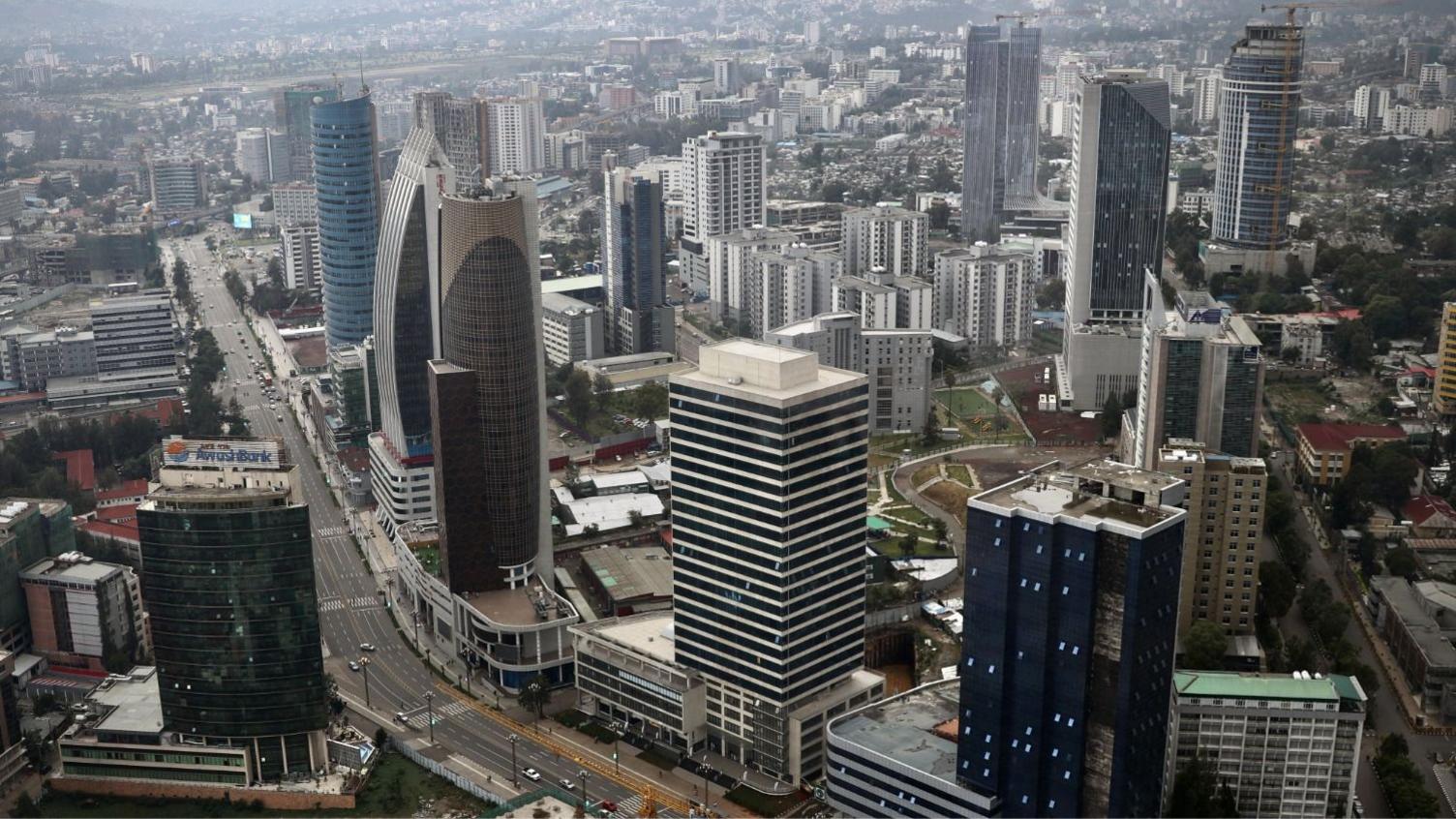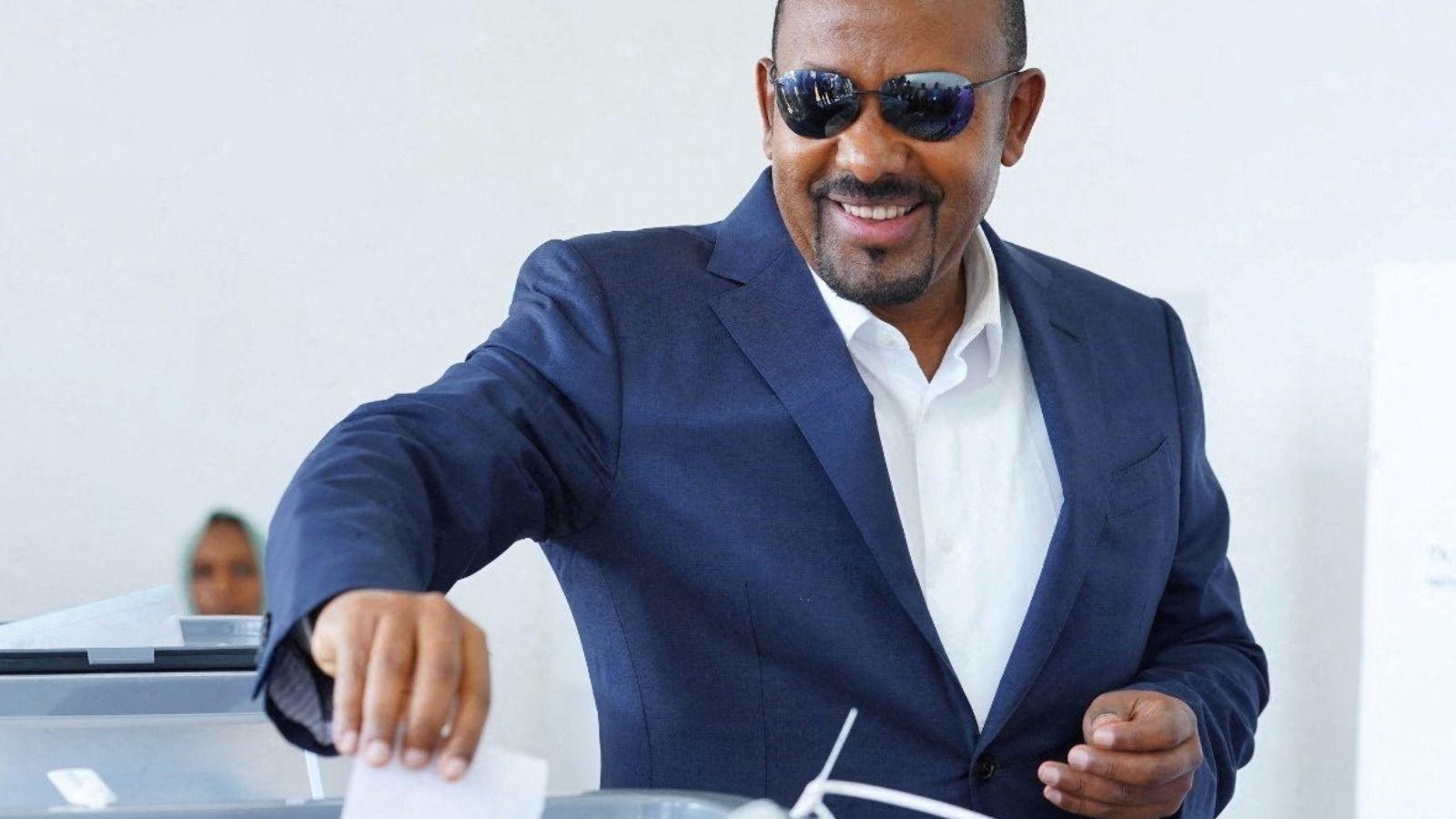
In Ethiopia’s June 2026 general election, Prime Minister Abiy Ahmed’s party won a decisive majority, taking 438 of 501 seats across the country. The result, announced amid accusations of repression and a hostile climate, promises a new term for Abiy beginning in October.
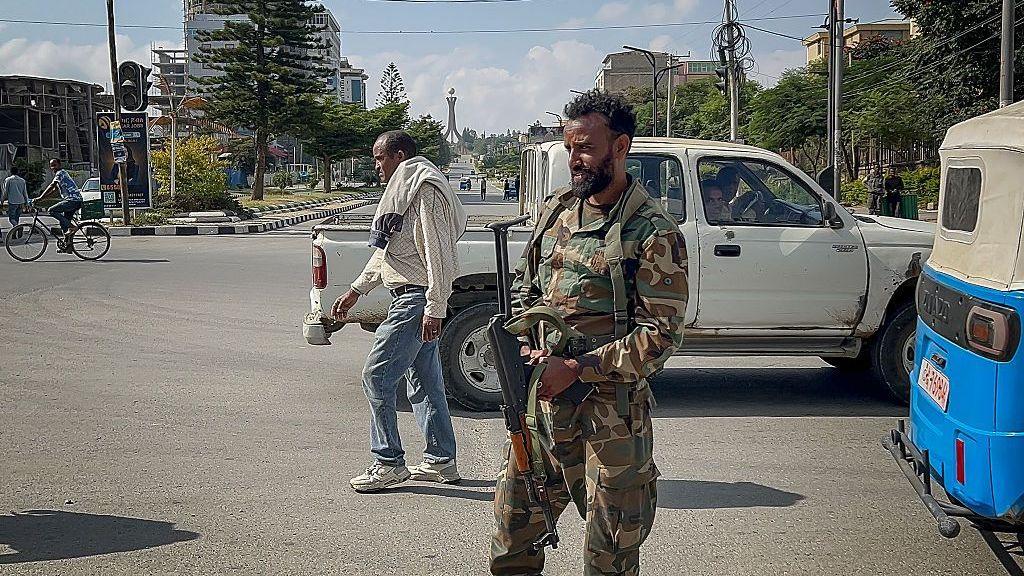
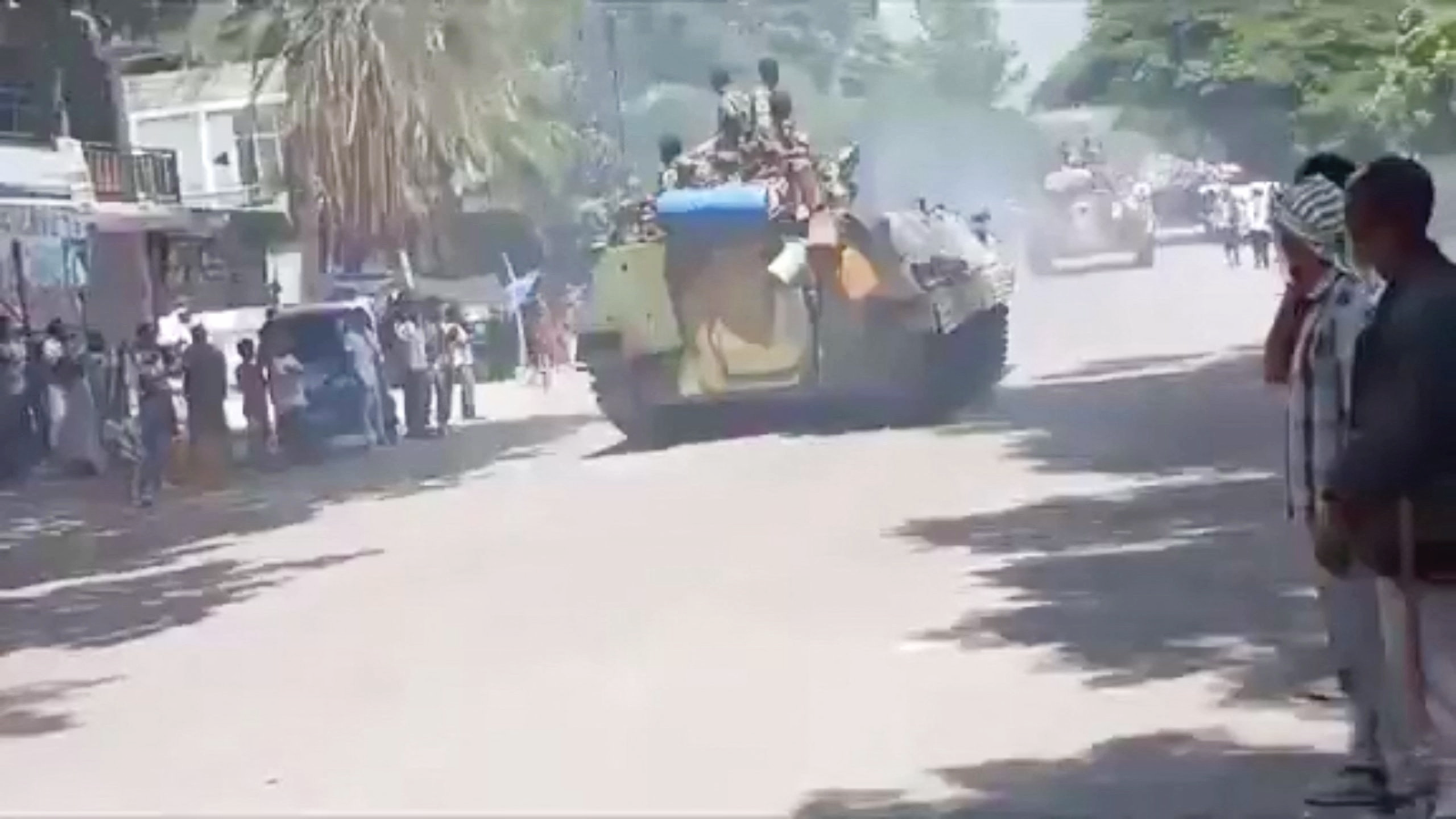
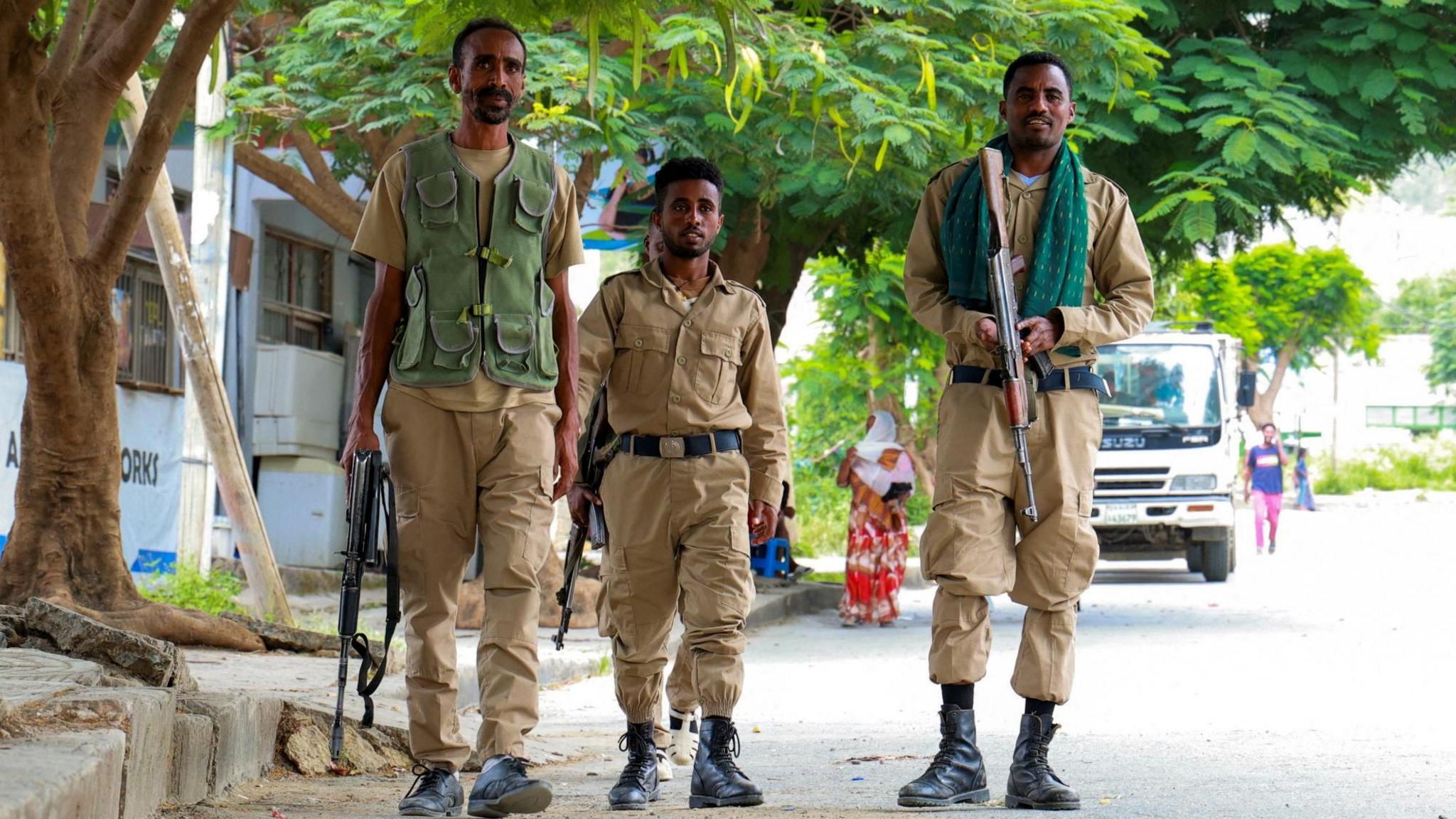
However, the vote was marked by significant security disruptions. One hundred forty‑three polling stations majorly impacted by armed group threats did not open, and the Tigray region was entirely excluded from the elections because of fears that a resurgence of conflict could erupt.
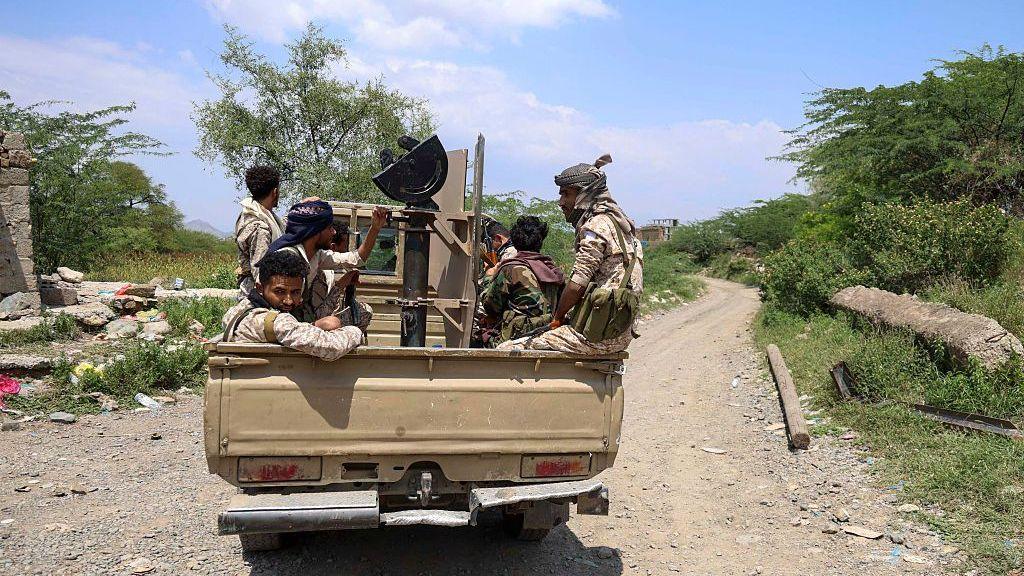
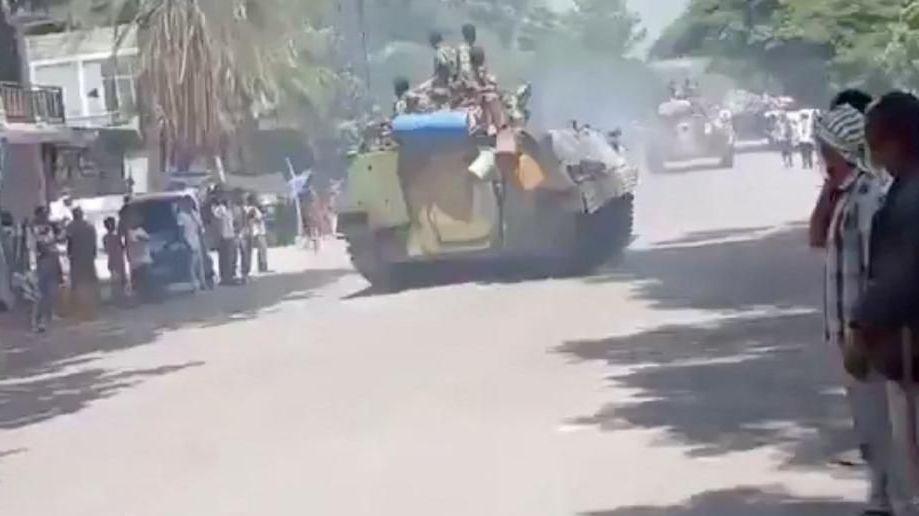
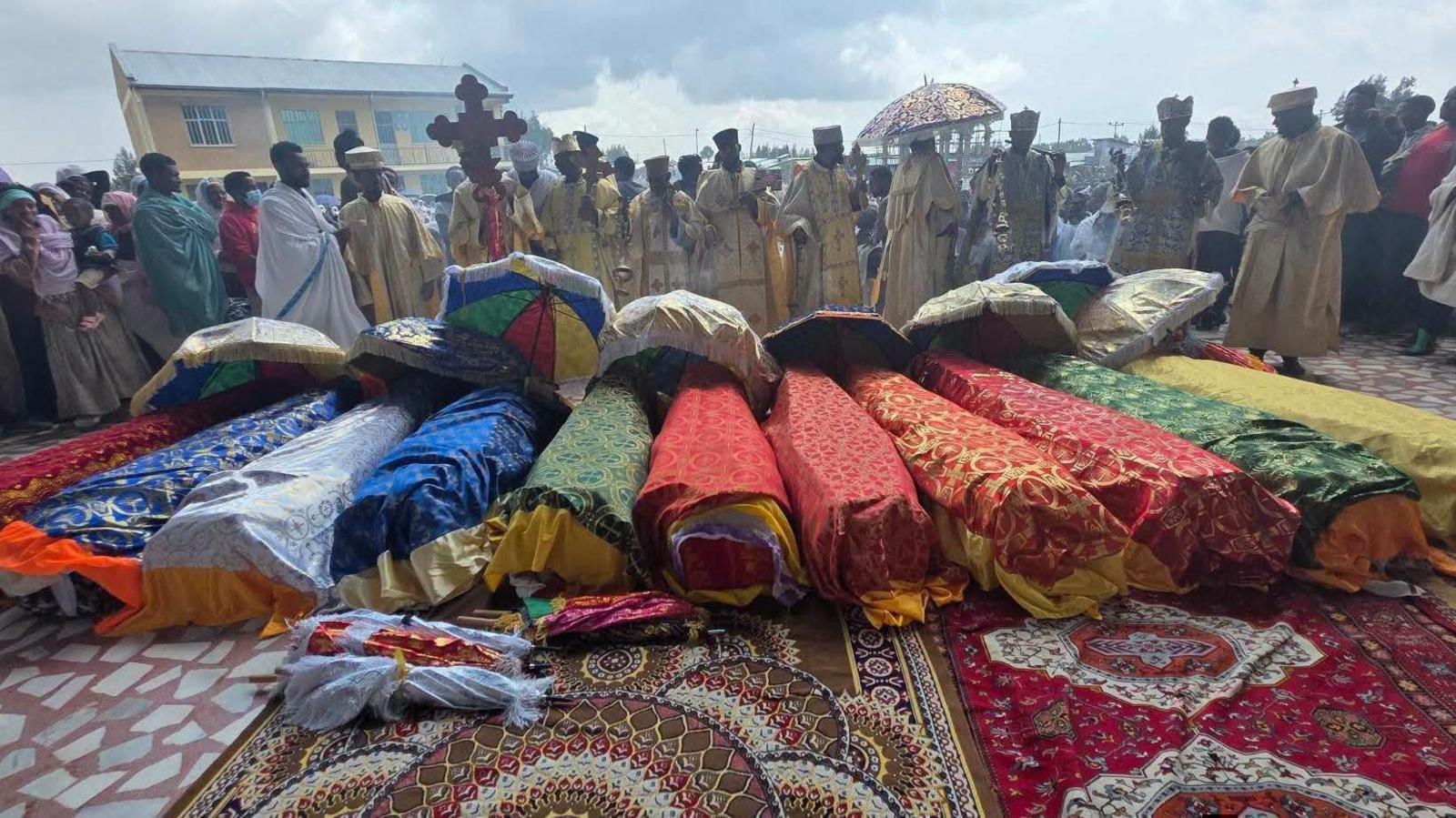
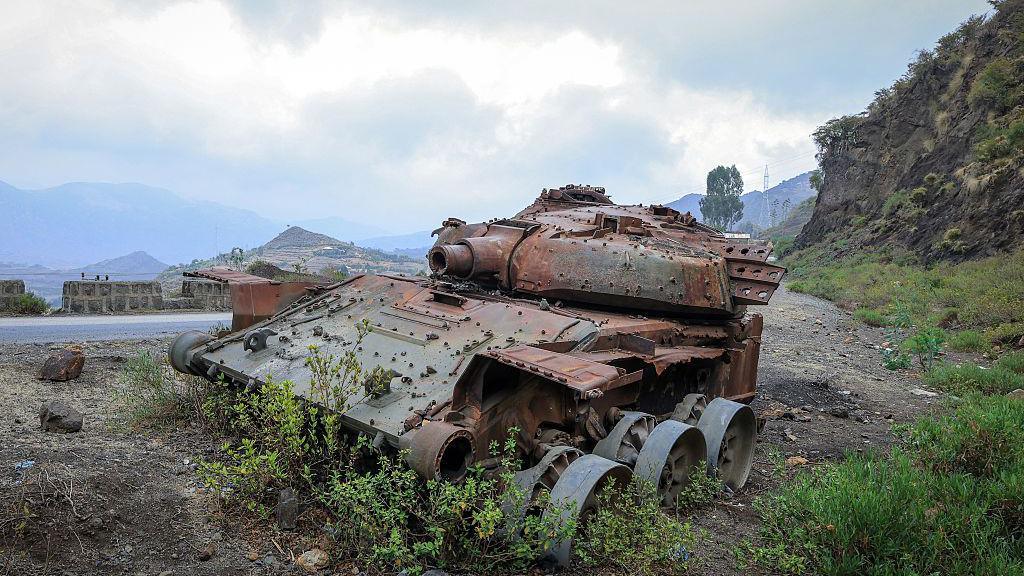
Militias in Amhara and Oromia—namely the Fano and the Oromo Liberation Army—publicly rejected both the elections and their outcomes, continuing low‑level insurgencies that threaten national stability. These unrests, paired with ongoing tensions in northern Ethiopia, raise concerns that the country could slide back into violent conflict.
International actors from the European Union and the United States have called for de‑escalation and even imposed visa restrictions on factions tied to the Tigray people’s liberation front. As Ethiopia’s new parliament convenes, the urgent challenge will be to balance a dominant majority with the fragile security environment that could jeopardise the nation’s future again.