HOUSTON (AP) — The deadly and widespread winter storm paralyzing much of the American East with ice, snow, and cold is taking a multi-billion dollar bite out of the U.S. economy, experts project. Economists and meteorologists are grappling with how to quantify the disruption costs of winter weather disasters, which are more complex than calculating losses from hurricanes or floods.
Jacob Fooks, a research economist, stated that there is no consensus among researchers, but estimates suggest severe weather events could collectively reduce gross domestic product by 0.5% to 2% annually—amounting to between $150 billion and $600 billion based on a U.S. GDP of approximately $30 trillion.
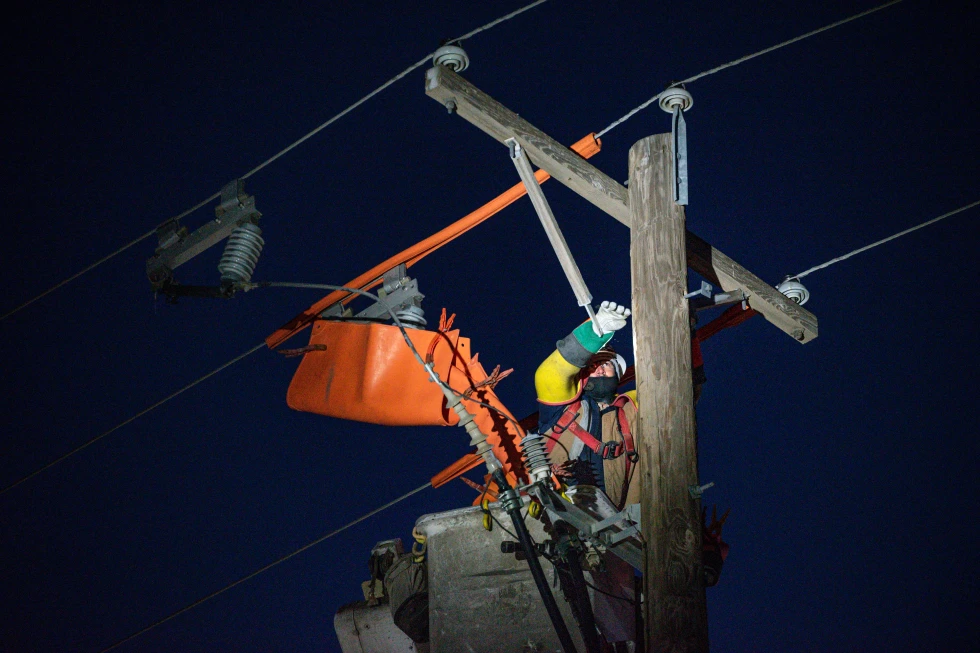
One private company, AccuWeather, has provided a preliminary estimate that places the storm's financial toll between $105 billion and $115 billion, a figure that a number of experts consider exaggerated. AccuWeather's Chief Meteorologist, Jonathan Porter, noted that the storm's disruptions to commerce and widespread power outages contribute significantly to the financial impact.
Climate economist Adam Smith countered that while the storm will undoubtedly cost billions, AccuWeather's estimates are overinflated, highlighting that many professional assessments keep the damages below these figures. He referenced previous occurrences of miscalculated damage, such as estimates from last year’s Los Angeles wildfires that similarly overshot the reality.
Furthermore, unlike hurricanes and floods, which cause identifiable damage to buildings and infrastructure, winter storms often lead to a loss of opportunity—phenomena that can be difficult to quantify. Former NOAA chief scientist Ryan Maue explained that winter losses largely reflect economic disruptions rather than insurable losses.
Experts continue to express concern that the frequency and impact of such costly weather disasters are increasing as climate change progresses, citing this storm as the latest example of how severe weather complicates our economic landscape.
Jacob Fooks, a research economist, stated that there is no consensus among researchers, but estimates suggest severe weather events could collectively reduce gross domestic product by 0.5% to 2% annually—amounting to between $150 billion and $600 billion based on a U.S. GDP of approximately $30 trillion.
One private company, AccuWeather, has provided a preliminary estimate that places the storm's financial toll between $105 billion and $115 billion, a figure that a number of experts consider exaggerated. AccuWeather's Chief Meteorologist, Jonathan Porter, noted that the storm's disruptions to commerce and widespread power outages contribute significantly to the financial impact.
Climate economist Adam Smith countered that while the storm will undoubtedly cost billions, AccuWeather's estimates are overinflated, highlighting that many professional assessments keep the damages below these figures. He referenced previous occurrences of miscalculated damage, such as estimates from last year’s Los Angeles wildfires that similarly overshot the reality.
Furthermore, unlike hurricanes and floods, which cause identifiable damage to buildings and infrastructure, winter storms often lead to a loss of opportunity—phenomena that can be difficult to quantify. Former NOAA chief scientist Ryan Maue explained that winter losses largely reflect economic disruptions rather than insurable losses.
Experts continue to express concern that the frequency and impact of such costly weather disasters are increasing as climate change progresses, citing this storm as the latest example of how severe weather complicates our economic landscape.