In brief
As ice storms pose a significant risk across the southeastern U.S., electricity providers, including Newberry Electric Cooperative, are preparing for potential outages. The severe weather not only impacts power lines but also threatens heating, especially in states where households primarily rely on electric heating. Lessons learned from prior incidents, such as Winter Storm Uri, emphasize the need for improved preparedness among utilities and the socio-economic disparities affecting communities during outages.
ATLANTA (AP) — Every morning this week, Newberry Electric Cooperative CEO Keith Avery walks into his office and turns on The Weather Channel, preparing for the potential impact of a forecasted ice storm on South Carolina’s power supply. Almost all of his 14,000 customers lost power during the aftermath of Hurricane Helene in 2024, yet the anticipated ice storm worries him more due to the persistent danger it poses even after the storm has passed.
“I hate ice storms,” Avery remarked. “They are worse than hurricanes.”
As officials alert communities across the eastern U.S., the effects of potentially freezing rain include not just power outages but also the loss of heating in numerous households, particularly across states such as Georgia, Alabama, and South Carolina, where electric heating is prevalent.
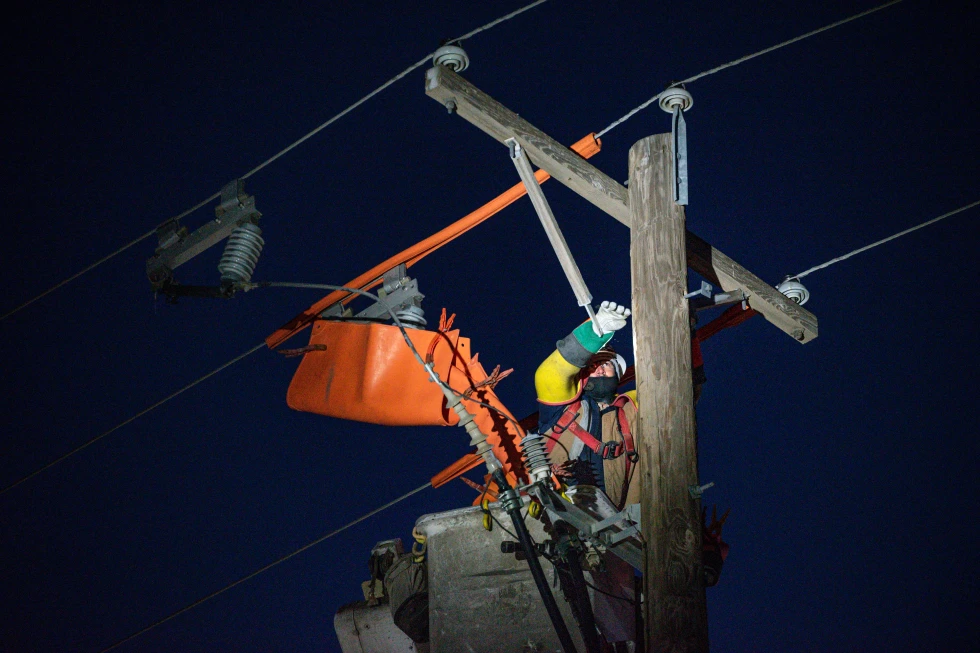
Ice storms present unique challenges, as power restoration can be hampered by downed lines and icy roads, leading to delays in response times. Avery highlighted that the aftermath can be treacherous, saying, “You get a power line back up and energized, and just as you leave, you hear a loud crack and boom, there’s a tree limb crashing through what you just repaired.”
Learning from Previous Storms
The devastation witnessed during Winter Storm Uri in Texas, which crippled the state’s power grid in 2021, echoes in current preparations. Experts debate that the disaster stemmed primarily from inadequately weatherized infrastructure rather than just downed power lines.
With utilities reportedly better prepared now, concerns persist regarding existing vulnerabilities, especially as cold temperatures can still affect transmission lines. With assurances from Governor Greg Abbott of Texas regarding the strength of their power grid, residents are still urged to brace for potential outages as utility companies work to mitigate risks by clearing lines of falling trees and branches.
Impact on Vulnerable Communities
Research spotlighted by sociology experts shows that outages disproportionately affect economically disadvantaged and minority communities, exacerbating energy insecurity in these regions. Medical needs, refrigerated necessities for infants, and general wellbeing all hinge on stable electricity supply.
People across the U.S. face increasing financial strain, as many households are already behind on energy bills. Researchers warn that as the temperatures drop, the higher utility demands could further jeopardize financial stability for families, predicting a troubling uptick in disconnections when the bills arrive weeks after the storm.
Utilities Ready for Action
In preparation for the looming storm, utility companies are mobilizing resources. Duke Energy is preparing for possible outages by having thousands of workers on standby, while the Tennessee Valley Authority has invested heavily in infrastructure improvements post-2022 storm.
Utilities across the Southeast are bracing for impact as they prioritize preparedness in response to lessons learned from past events. An ice storm not only tests power systems but reveals broader vulnerabilities within communities, prompting reflections on energy equity and infrastructure resilience.