On Tuesday, the Trump administration revealed its plan to end Temporary Protected Status (TPS) for immigrants from Somalia, a move that falls in line with the president's larger immigration enforcement strategy. This decision will impact approximately 705 individuals residing in the U.S., a financial burden that falls under a broader crackdown on immigration.
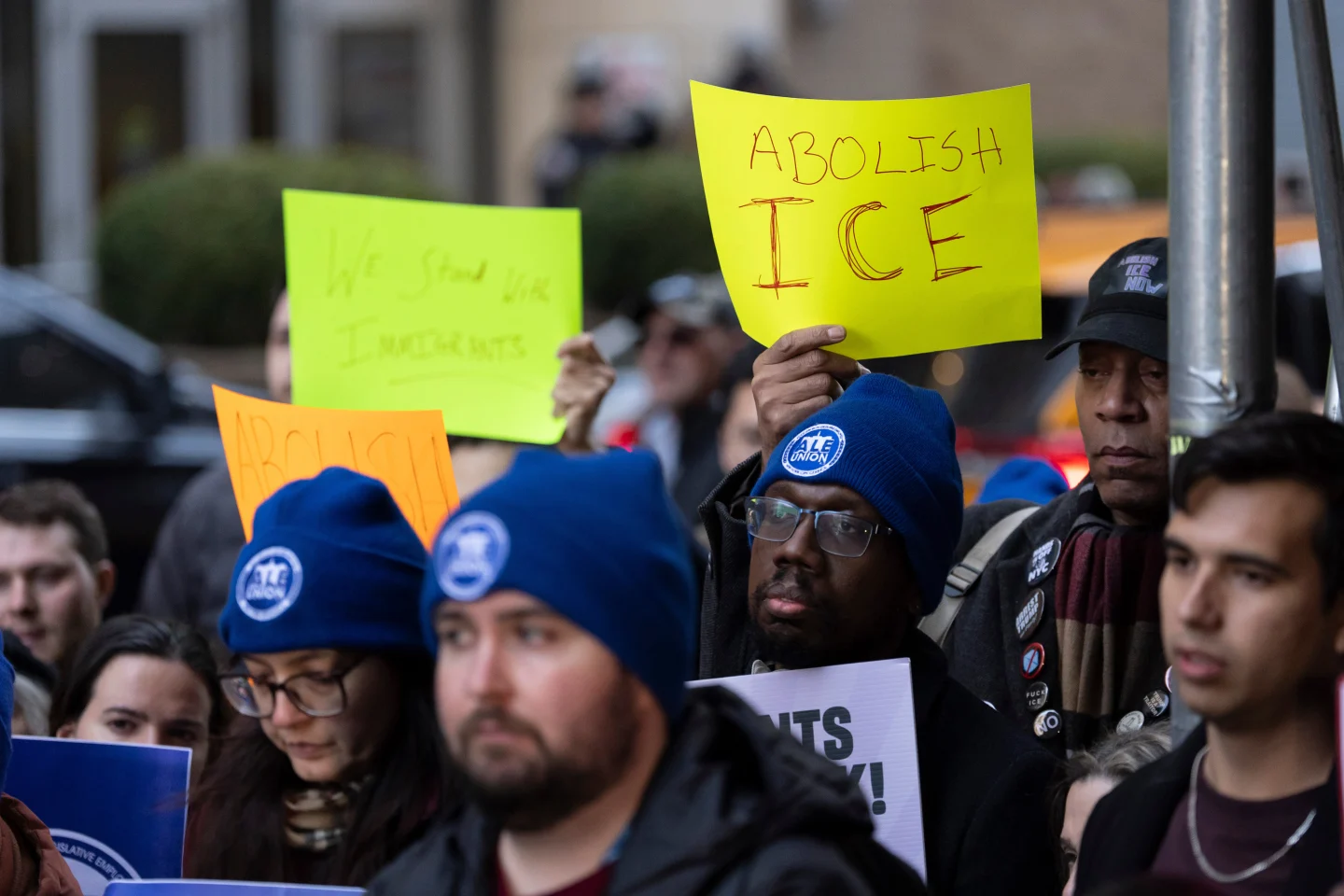
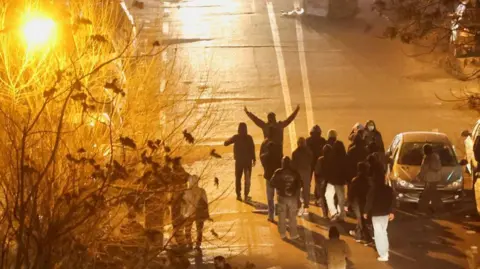
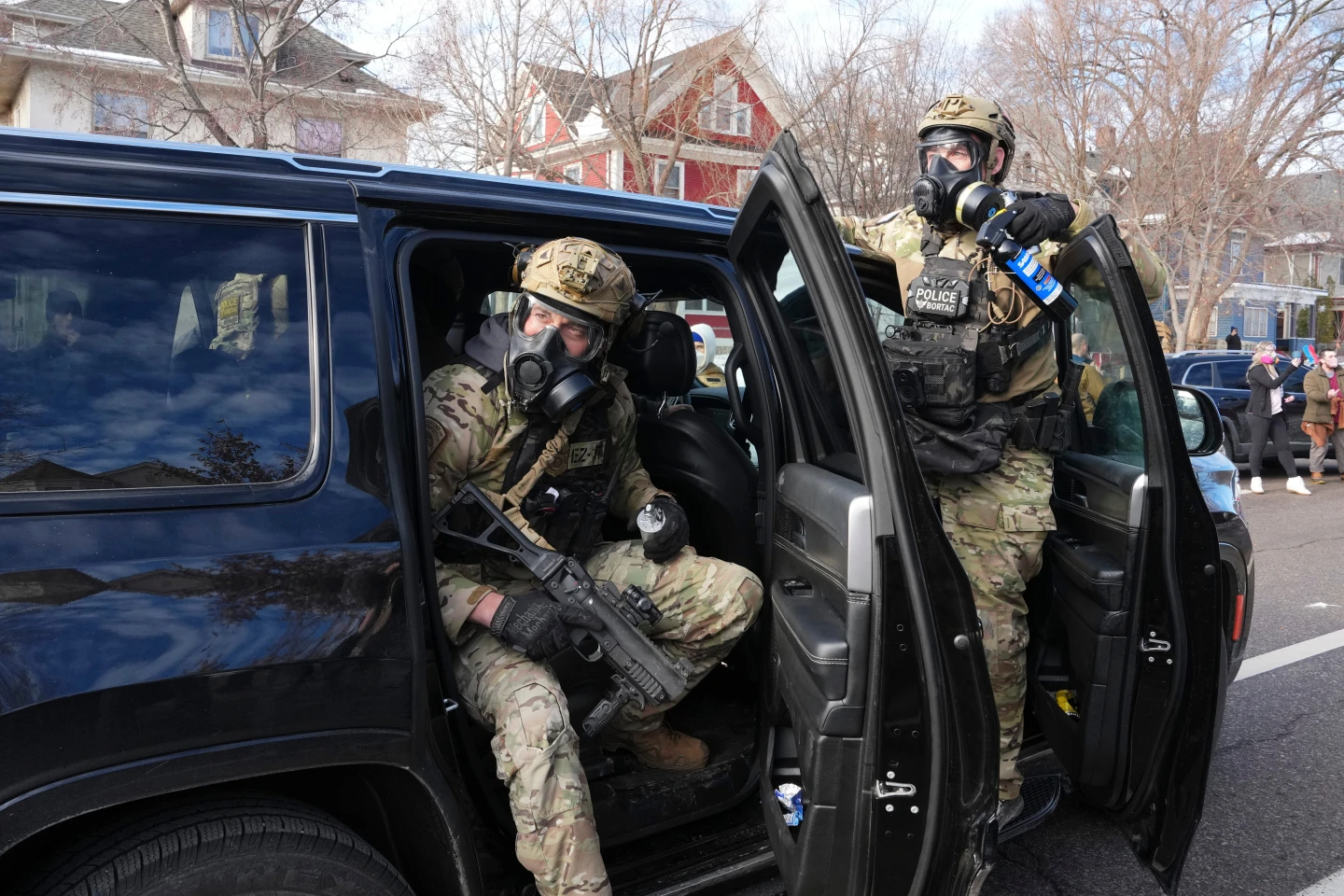
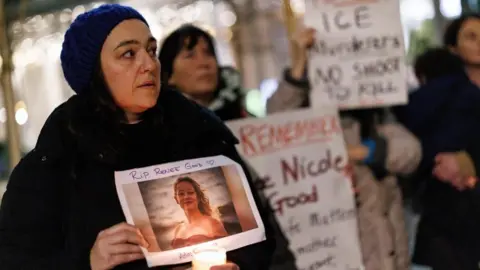
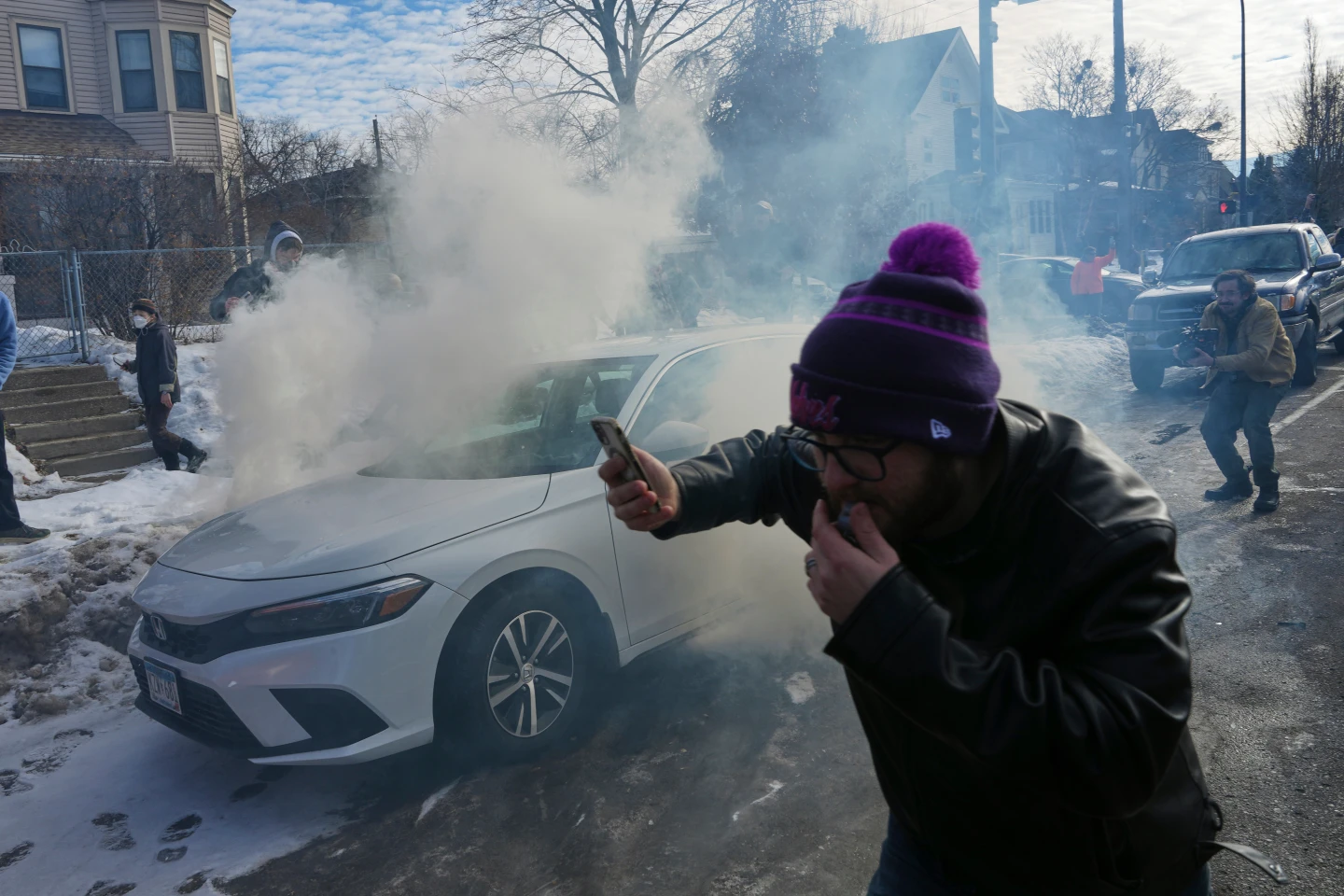
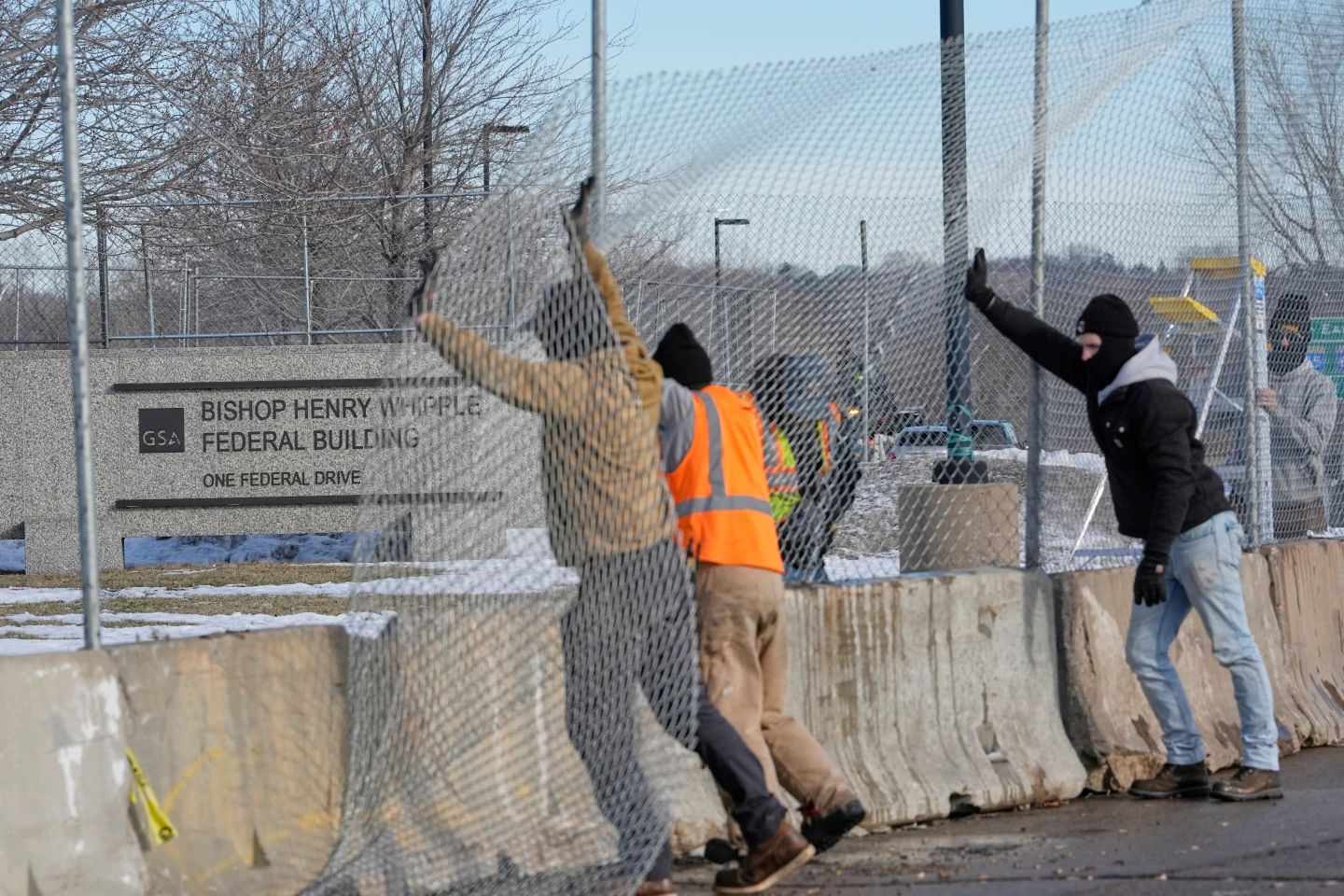
This announcement comes at a time when protests against ICE are bubbling in Minneapolis—a city with a significant Somali population—following the fatal shooting of a demonstrator by an ICE agent.
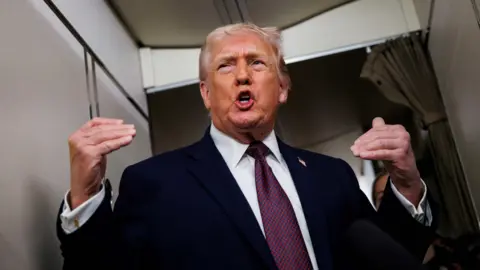
The Department of Homeland Security has stipulated that individuals affected by this decision must leave the U.S. by March 17, marking the expiration of their existing protections, a policy initially renewed by President Joe Biden in 2024. Temporary means temporary, emphasized Homeland Security Secretary Kristi Noem, framing the decision as a commitment to prioritizing American citizens.
The TPS program was developed in 1990 to safeguard foreign nationals fleeing unstable conditions in their home countries. Somalia has historically been designated for TPS since 1991 due to ongoing civil unrest and deprivation. In recent years, however, the status has been challenged amidst claims that conditions have improved.
Critics point out the harsh realities facing Somalia, a nation grappling with poverty, corruption, and natural calamities like droughts, which continue to threaten the safety of returnees. Recent congressional reports have indicated that Somalis have been granted TPS extensions due to ongoing armed conflict and other safety concerns.
The differing views reflect a polarized discourse surrounding immigration policy. Supporters of the decision argue this signals a shift away from decades of unchecked immigration status extensions, while opponents assert that this disregard for the precarious situation in Somalia overlooks the very essence of the TPS program.
Rep. Ilhan Omar, a prominent critic of Trump's immigration policies who is of Somali descent, described the president's rhetoric and policies as harmful, asserting that they contribute to a toxic atmosphere for immigrants. Trump’s past disparaging comments about Somali-Americans have further fueled tensions.
As protests evolve in response to both local and national policies, the future for Somali immigrants and ongoing discourse about American immigration policy remains in a precarious state.