US Tariffs on Trade with Iran: Implications for Global Trade Relations
 EPA/Shutterstock
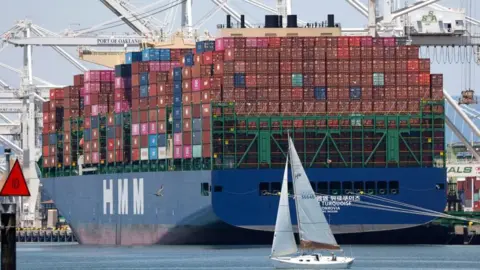
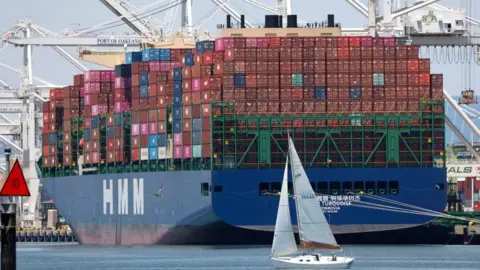
US President Donald Trump has announced that countries doing business with Iran will be subjected to a 25% tariff on their trade with the United States. This announcement occurs amidst growing unrest within Iran, where anti-government protests have intensified.
Trump stated on Truth Social that the order is effective immediately and has not provided additional details concerning how the tariffs will be enforced or which countries will be affected. Historically, Trump has used tariffs as a leverage point to influence international compliance with US policy.
Countries Engaging with Iran
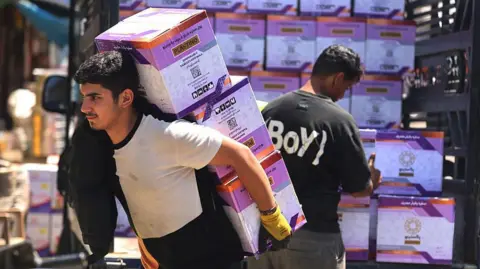
Iran maintains trade relationships with over 100 countries, with China being its largest trade partner. In 2025, China imported more than $14 billion worth of goods from Iran, followed by Iraq and the UAE. Fuel products account for a significant portion of Iran's exports, while imports largely comprise food staples and gold.
Potential Implementation of Tariffs
Specific details regarding the tariffs' implementation have yet to be clarified by the White House, creating uncertainty about whether they will apply universally or only to certain countries. Existing tariffs on Chinese goods average around 30.8%, leading to conflicting expectations on whether the new tariffs are cumulative or adjusted based on previous trade levies.
Impact on US-China Relations
Trump's announcement may lead to renewed tensions in US-China relations by necessitating immediate compliance with the new tariffs. China's potential retaliation could resemble past actions, including tariffs on US goods or restrictions on rare earth element exports, which are vital for US industrial sectors.
The State of Iran's Economy
Despite its oil wealth, Iran's economy struggles under the pressure of international sanctions and domestic mismanagement. With rising inflation affecting purchasing power and many citizens unable to meet basic needs, the recent legal challenges against the tariffs could further strain the Iranian economy and its political stability. High inflation and unemployment rates contribute to ongoing protests, indicating widespread discontent among the populace.