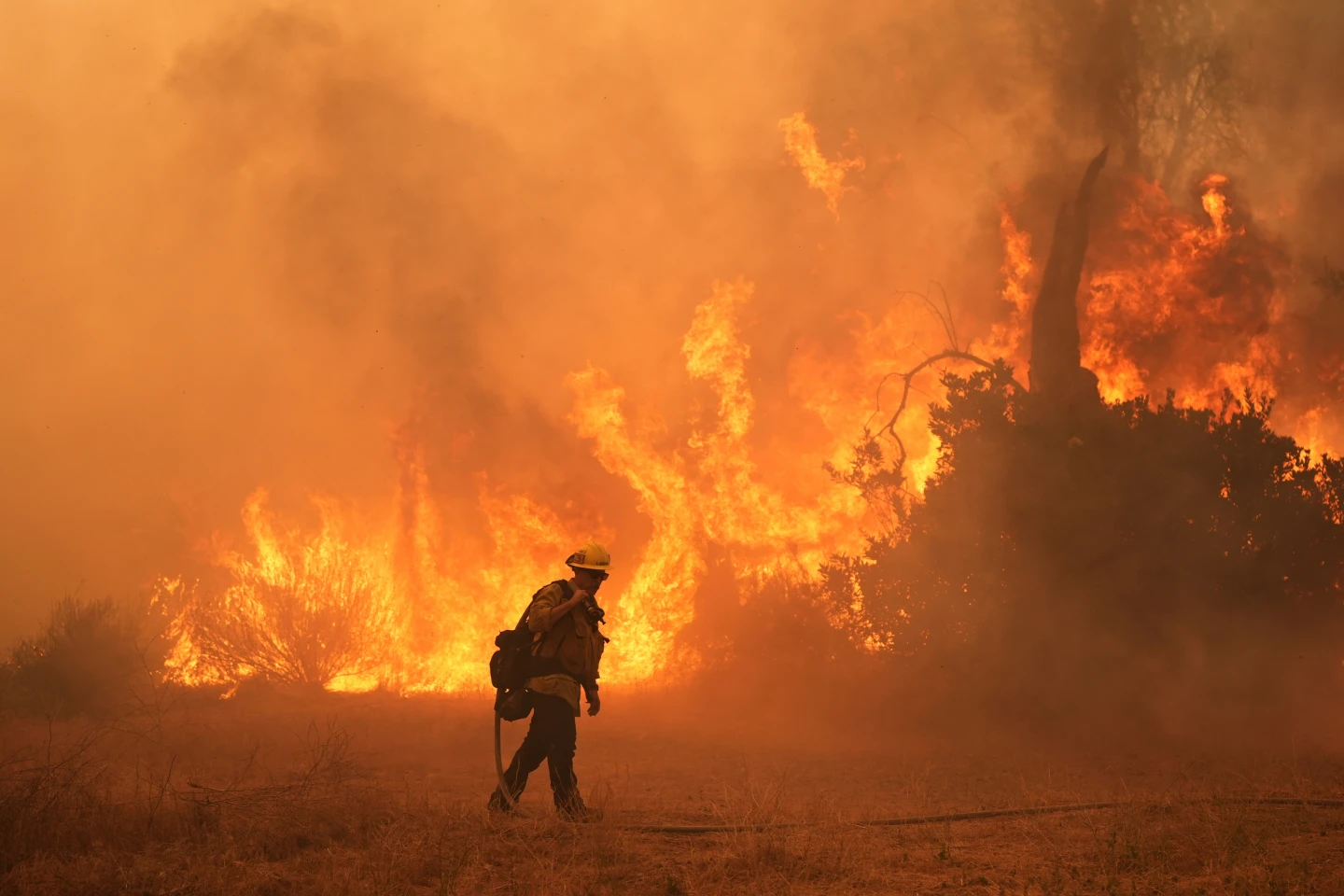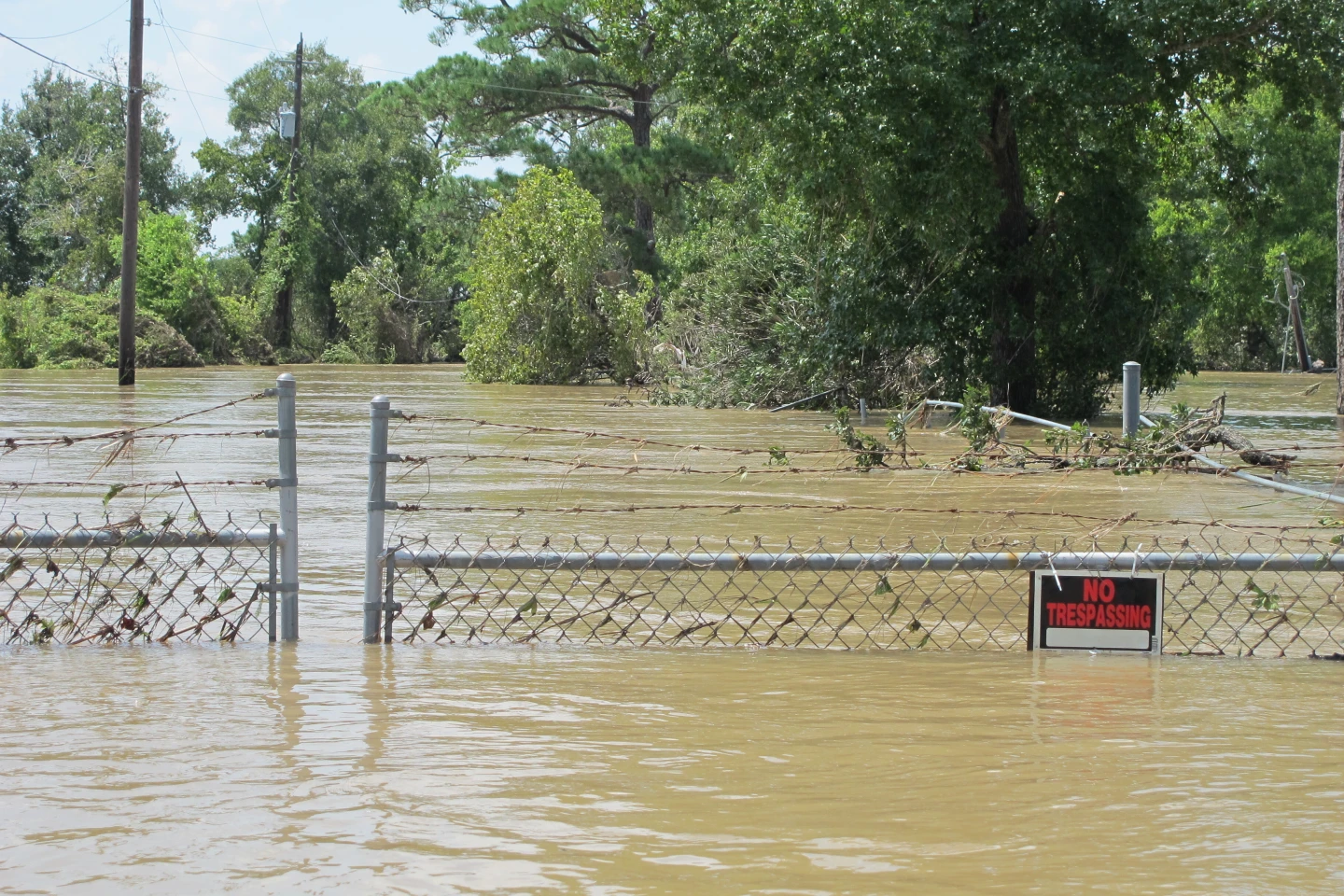
In a striking new report released today, the United Nations warns that without significant action, global temperatures could rise by as much as 3.1°C by the end of the century. This prediction is alarming, as the consequences could be catastrophic, leading to dramatic spikes in extreme weather events such as heatwaves and floods.
However, experts indicate that this figure is not entirely surprising; it has been fairly consistent with previous UN estimates over the past three years since COP26 in Glasgow. The Emissions Gap report outlines that adhering solely to current policies could see global warming reach between 1.9°C and 3.8°C. This confirmation of earlier projections from the IPCC report in 2021, which hinted at a potential increase of 3.6°C, emphasizes the urgent situation at hand.
The UN suggests that if countries enact their promised carbon-cutting measures, the temperature rise could range from 2.6°C to 2.8°C, while full compliance with net-zero commitments could limit warming to about 1.9°C. Despite that, even a rise of 1.9°C presents significant risks, especially given that the planet has already warmed by 1.1°C, manifesting in extensive effects like more frequent extreme weather incidents and progressively rising sea levels.
Frustration is mounting within the UN regarding the slow pace of action from nations, particularly after promises made during COP27 and COP28. The report warns that the aims stipulated in the Paris Agreement, particularly the ambitions to limit global warming to below 2°C and ideally 1.5°C, are increasingly at risk. This report emerges just weeks before political leaders convene for COP29 in Azerbaijan, where nations are expected to table new carbon reduction strategies for the decade leading to 2035.
Scientific insights in the report also highlight several contributing factors to rising emissions. A notable rebound in aviation, with emissions soaring by 19.5% in 2023 compared to 2022, accompanies increased emissions from road transport. Rising temperatures due to climate change have driven demand for air conditioning, leading to increased coal consumption as hydropower production declines. Additionally, the transition to electric vehicles and heat pumps has heightened electricity demand, frequently sourced from fossil fuels.
Overall, this report serves not only as a wake-up call about the immediate actions needed to combat climate change but hints at the imminent necessity for enhanced commitments from world leaders ahead of critical upcoming climate summits.
However, experts indicate that this figure is not entirely surprising; it has been fairly consistent with previous UN estimates over the past three years since COP26 in Glasgow. The Emissions Gap report outlines that adhering solely to current policies could see global warming reach between 1.9°C and 3.8°C. This confirmation of earlier projections from the IPCC report in 2021, which hinted at a potential increase of 3.6°C, emphasizes the urgent situation at hand.
The UN suggests that if countries enact their promised carbon-cutting measures, the temperature rise could range from 2.6°C to 2.8°C, while full compliance with net-zero commitments could limit warming to about 1.9°C. Despite that, even a rise of 1.9°C presents significant risks, especially given that the planet has already warmed by 1.1°C, manifesting in extensive effects like more frequent extreme weather incidents and progressively rising sea levels.
Frustration is mounting within the UN regarding the slow pace of action from nations, particularly after promises made during COP27 and COP28. The report warns that the aims stipulated in the Paris Agreement, particularly the ambitions to limit global warming to below 2°C and ideally 1.5°C, are increasingly at risk. This report emerges just weeks before political leaders convene for COP29 in Azerbaijan, where nations are expected to table new carbon reduction strategies for the decade leading to 2035.
Scientific insights in the report also highlight several contributing factors to rising emissions. A notable rebound in aviation, with emissions soaring by 19.5% in 2023 compared to 2022, accompanies increased emissions from road transport. Rising temperatures due to climate change have driven demand for air conditioning, leading to increased coal consumption as hydropower production declines. Additionally, the transition to electric vehicles and heat pumps has heightened electricity demand, frequently sourced from fossil fuels.
Overall, this report serves not only as a wake-up call about the immediate actions needed to combat climate change but hints at the imminent necessity for enhanced commitments from world leaders ahead of critical upcoming climate summits.