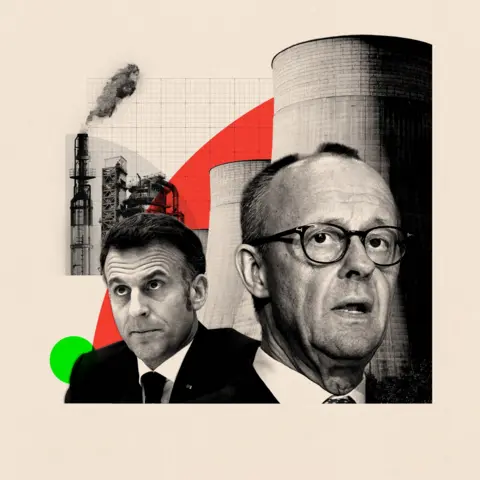
How Europe Sleepwalked into Yet Another Energy Crisis
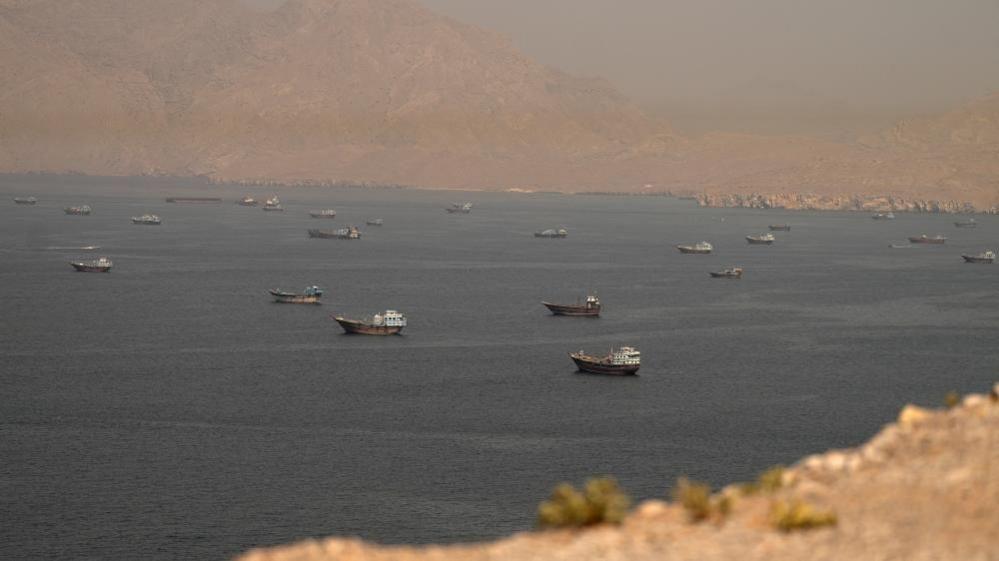
The energy crisis unfolding across Europe is driven by escalating conflicts in the Middle East, reminiscent of previous energy crises that have rattled the European Union. The latest surge in energy prices is a stark reminder of the vulnerabilities that stem from dependency on external providers amidst geopolitical turmoil.
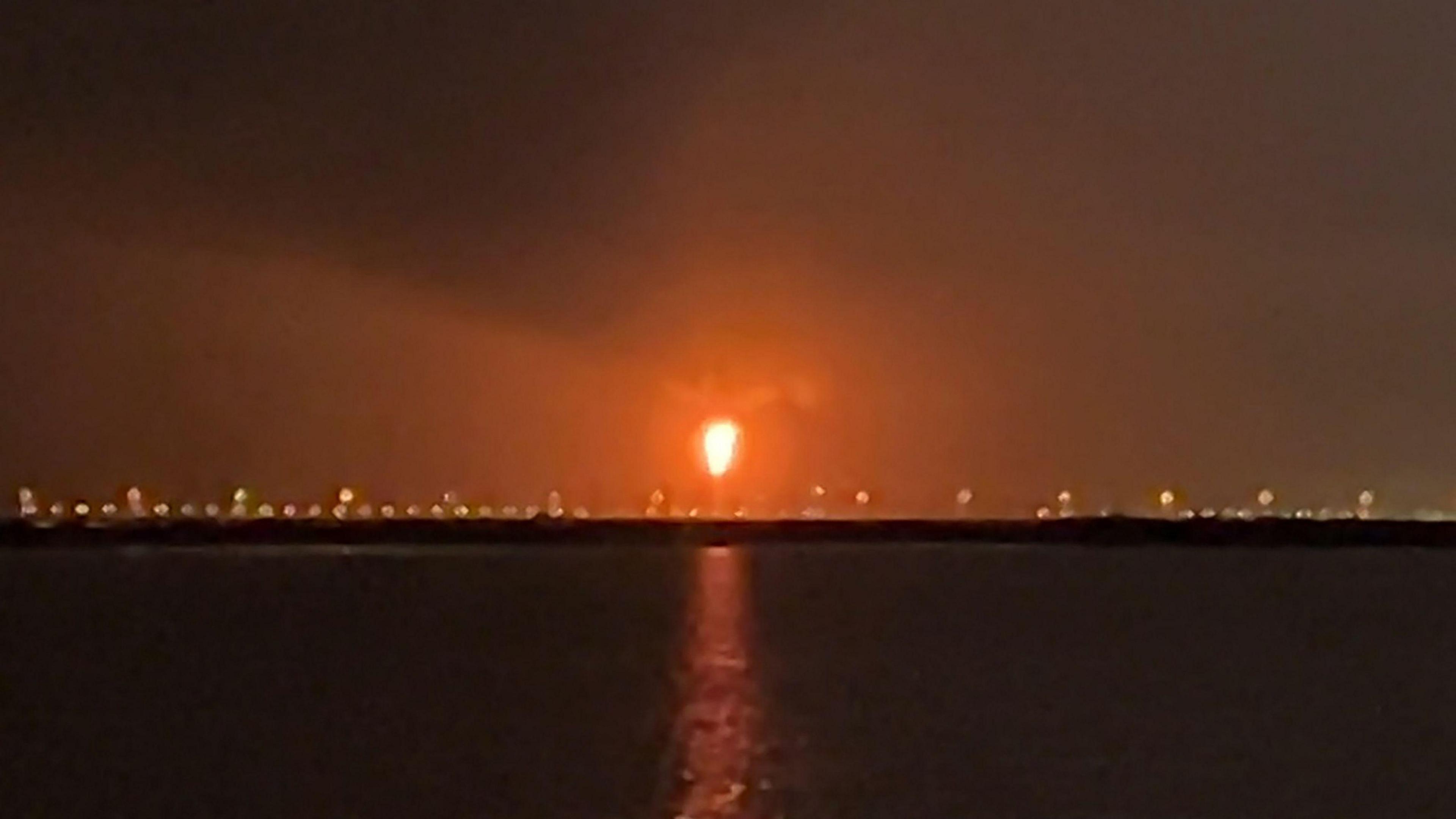
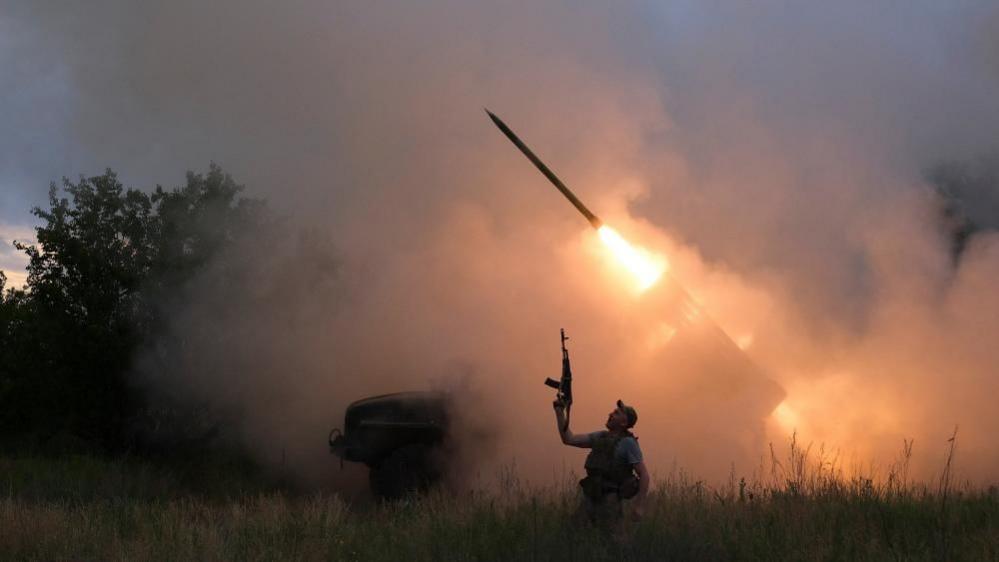
Seven months into Russia's full-scale invasion of Ukraine, European Commission President Ursula von der Leyen accused Russia of manipulating the EU's energy market, stating, They prefer to flare the gas than to deliver it. With energy prices soaring, she identified this as a deliberate attempt to destabilize the European economy.
Fast forward to today, and the frustrations echo among EU diplomats. A prominent European official voiced concerns about the returning threat of energy insecurity, especially as conflict in the Middle East disrupts supply lines and fuels inflationary pressures.
Despite the EU's efforts to diversify away from Russian energy, most notably through increased imports from the US and Norway, nations fear a repeat of past failures in the face of crisis. The reliance on these alternative suppliers presents its own challenges, particularly with the potential for price fluctuations in a volatile global market.
During an upcoming summit, EU leaders are expected to grapple with solutions amidst public discontent over rising energy costs and the looming threat of populism. Calls for immediate interventions, such as tax reviews and price caps, reflect increasing pressure on governments to protect consumers.
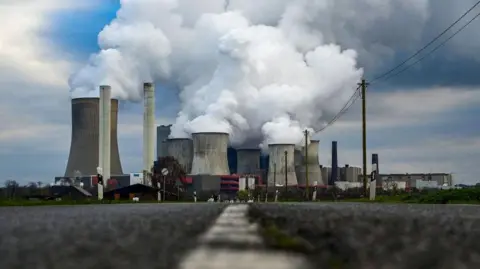
Yet, the debate continues over the future of energy policy in Europe. As nations diverge in their approaches—some advocating for a continuation of the Emissions Trading System (ETS) aimed at reducing carbon footprints, while others call for its suspension in light of soaring energy prices—unity remains elusive. Politicians across the spectrum emphasize that the EU must act decisively to address both the short-term crises and long-term energy security challenges.
Looking ahead, the lessons from the ongoing crises highlight a critical need for Europe to reconsider its energy policies. Enhanced collaboration with allies, innovative energy solutions, and robust policies aimed at reducing dependency on external sources are imperative if the continent is to secure sustainable energy independence.