Europe Grapples With Record‑Breaking Wildfires
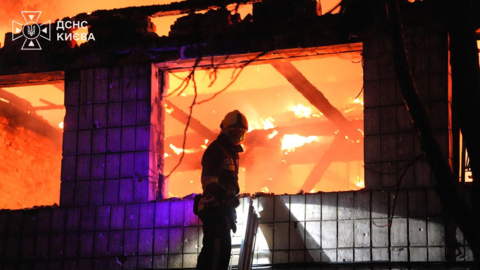
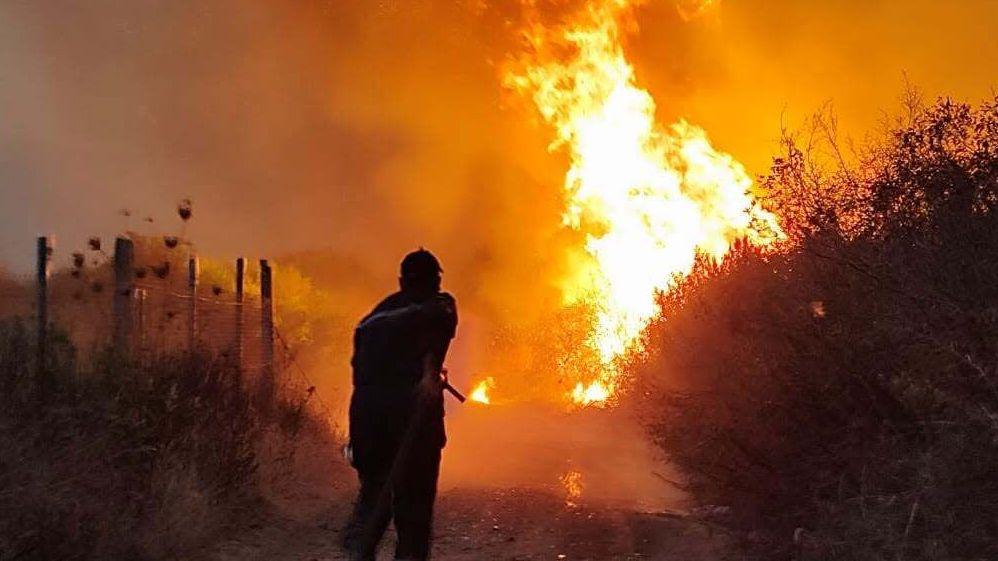
More than 300,000 people are being forced to leave their homes as wildfires tear through France and Spain, marking these as the most destructive blazes the continent has seen this decade.
The fires have scorched over 162 square miles (420 sq km) in the Gironde region around Bordeaux in less than four days—roughly four times the area of Paris—and now stand only 15 km from the French city centre.
Officials warn that the blaze threatens sensitive military and industrial sites, including facilities that manufacture ballistic missiles and process hazardous chemicals.
Fire‑Thunderstorm Cycle
The extreme heat from the flames has created a rare fire‑thunderstorm system. High‑temperature air rises, condenses into cumulonimbus clouds, and can produce its own lightning, potentially sparking new fires or bringing hail and rain.
Suppression Efforts
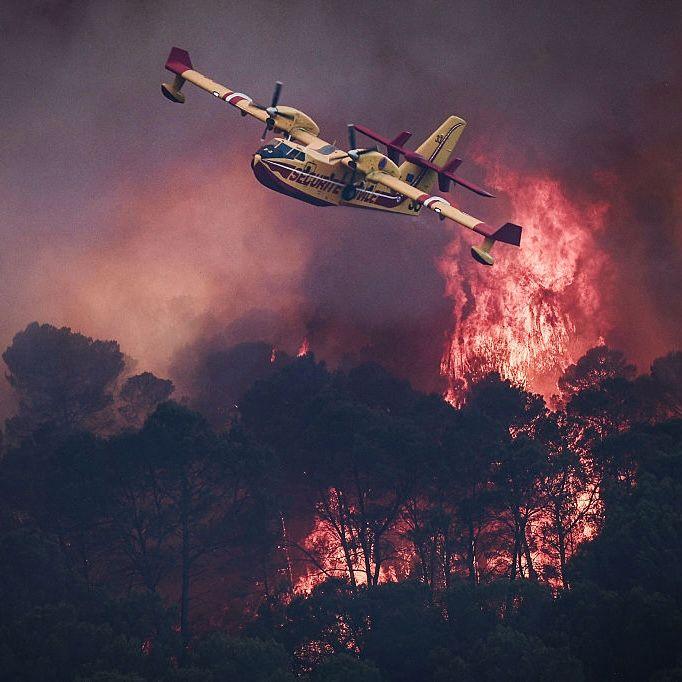
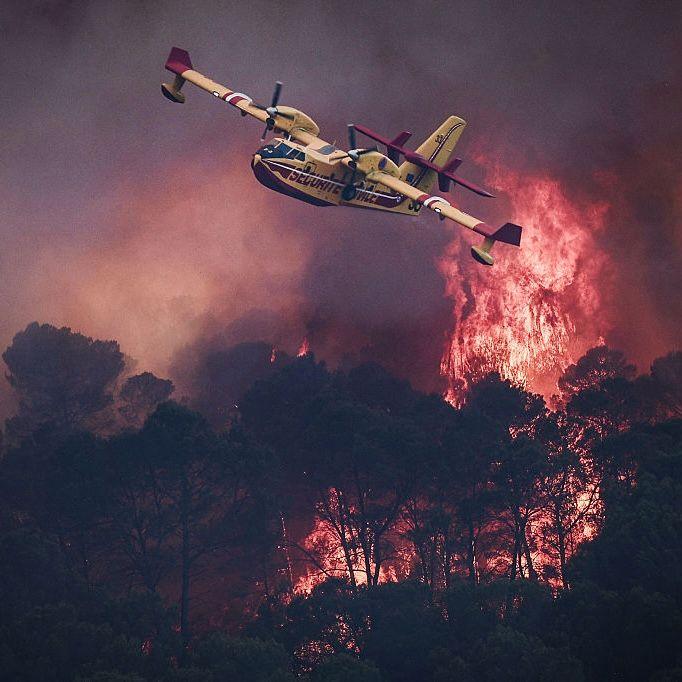
French teams have deployed roughly 2,500 firefighters, 1,500 military personnel and 1,200 police officers, working hand in hand with aviation assets. Aircraft such as Canadair “storm‑birds” scoop up 6,000 litres of water in 12 seconds and drop it on the flames, while fire retardant is poured along the fire’s edge and ground crews push back the frontlines.
In the town of Lacanau, bulldozers and heavy equipment have carved a firebreak approximately 100 metres wide to halt the spread in an area rich in vegetation.
Spanish Response
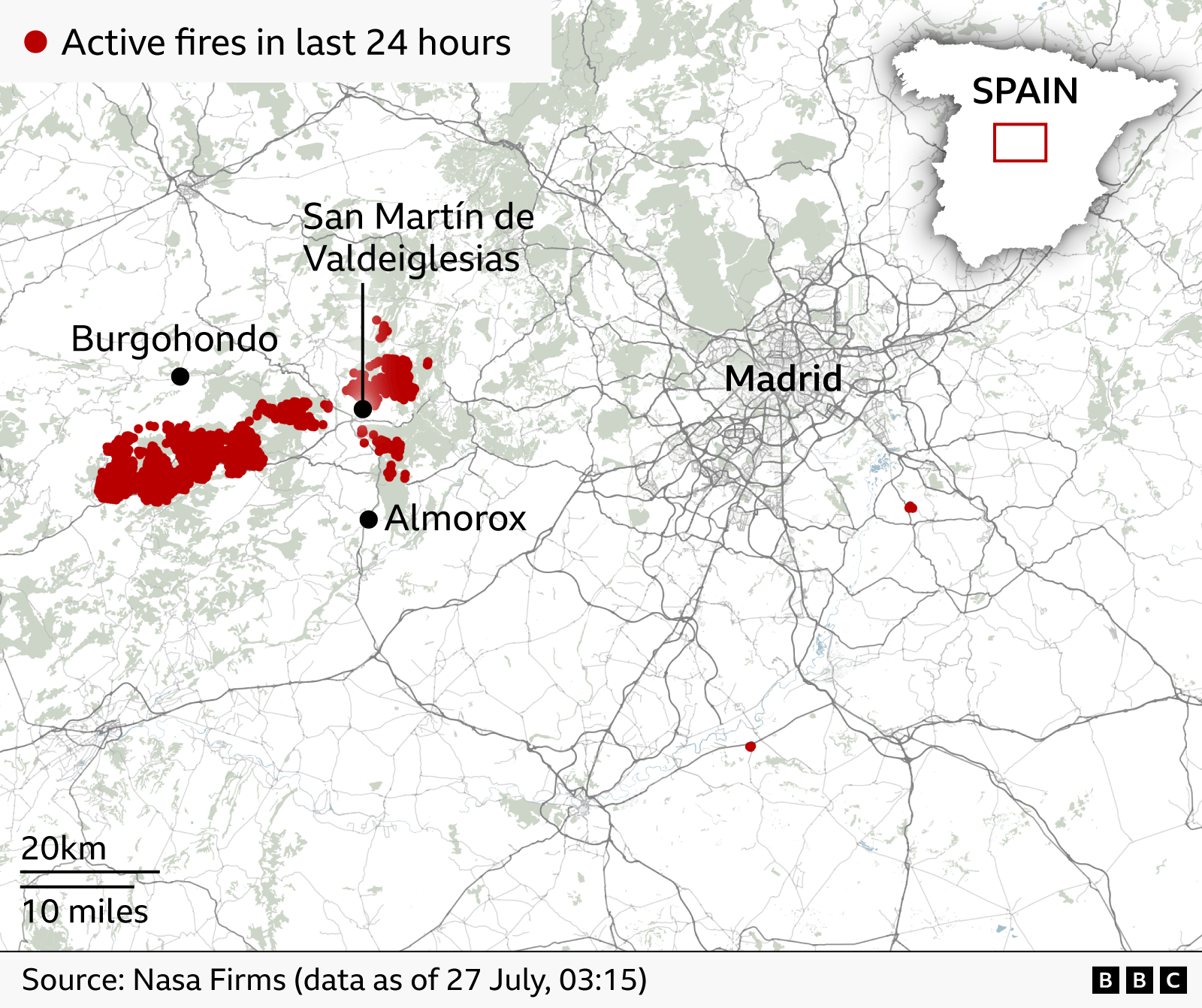
Madrid’s emergency team describes the fires as “undoubtedly the largest in the region’s history”, noting that hotter, drier conditions linked to climate change exacerbate the situation.
Spanish teams are using similar techniques—airborne retardants and ground crews—to keep the flames at bay, although a high‑pressure system forecast to keep temperatures soaring may intensify the risk in the coming week.
Visual Highlights
By Tom Bennett and the Visual Journalism team