WASHINGTON (AP) — The Food and Drug Administration (FDA) is set to hold a meeting this summer to evaluate the possibility of easing restrictions on over a half dozen peptide injections. These substances, which have gained immense popularity among wellness influencers and celebrities, are often perceived as quick solutions for muscle building, healing injuries, and enhancing appearance.
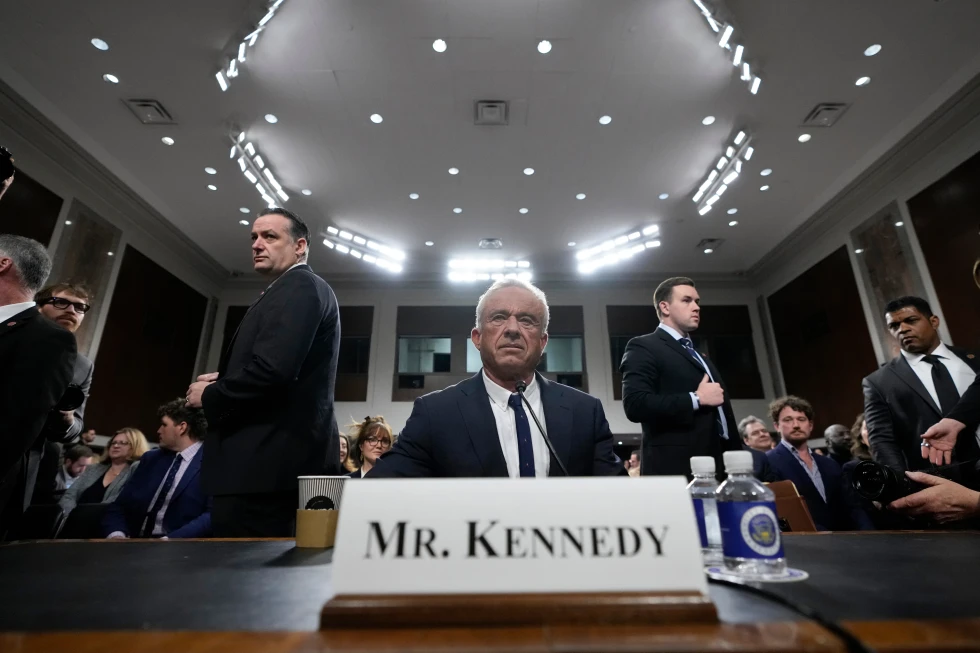
The announcement from the FDA comes on the heels of ongoing calls by Health Secretary Robert F. Kennedy Jr. to loosen regulations surrounding these peptides, many of which lack thorough safety evaluations by the FDA. While some proponents of the peptides, like Kennedy, have shared personal success stories related to their use, critics point to the scant research validating the claims being made.
Kennedy, who has openly discussed his own use of peptides for injury recovery, sees this potential regulatory shift as a positive step towards broader acceptance and legitimacy of these therapies. Major proponents in his “Make America Healthy Again” movement, such as Gary Brecka, are also actively promoting various peptide formulas online.
The upcoming FDA meeting, scheduled for July, will involve discussions with an advisory panel concerning the classification of seven specific peptides. These discussions will be vital in determining whether these therapies can transition from a restrictive categorization reserved for risky and custom-made substances to a more acceptable category.
Among the peptides being considered is BPC-157, widely marketed for its purported abilities to heal injuries and reduce inflammation. Following changes under President Joe Biden’s administration, the FDA previously listed many popular peptides as substances that should not be compounded due to safety risks.
This position was backed by an overwhelming vote from the FDA's pharmacy advisers, highlighting significant concerns about the lack of extensive human trials for these substances. Many advisers involved in these decisions have since left the agency.
The current reassessment stems from a rising public interest in peptides beyond traditional medicine, particularly from wellness clinics selling injections or meals with peptide mixtures at significant costs. Compounding pharmacies have expressed concerns that stringent FDA regulations are pushing customers toward an illicit market for these chemicals, often imported from countries without U.S. quality standards.
As this situation evolves, both proponents and opponents of the regulatory changes will continue to voice their perspectives, reflecting broader societal debates on medical safety, opioid alternatives, and health innovations.