France’s high‑school students block doors demanding better funding

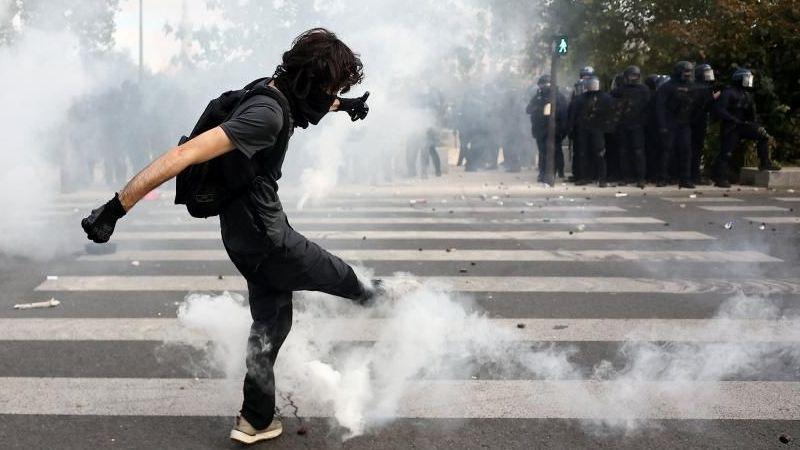
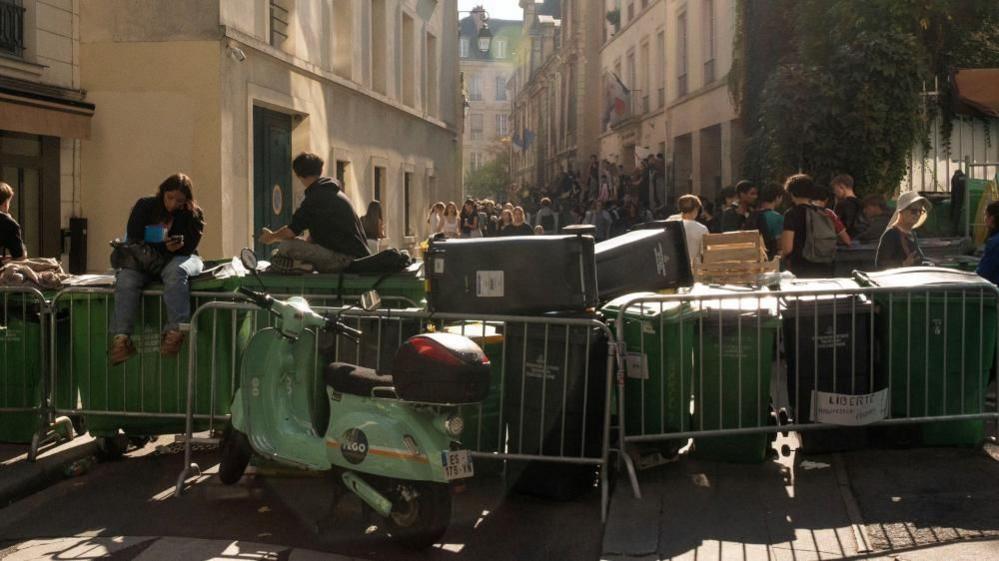
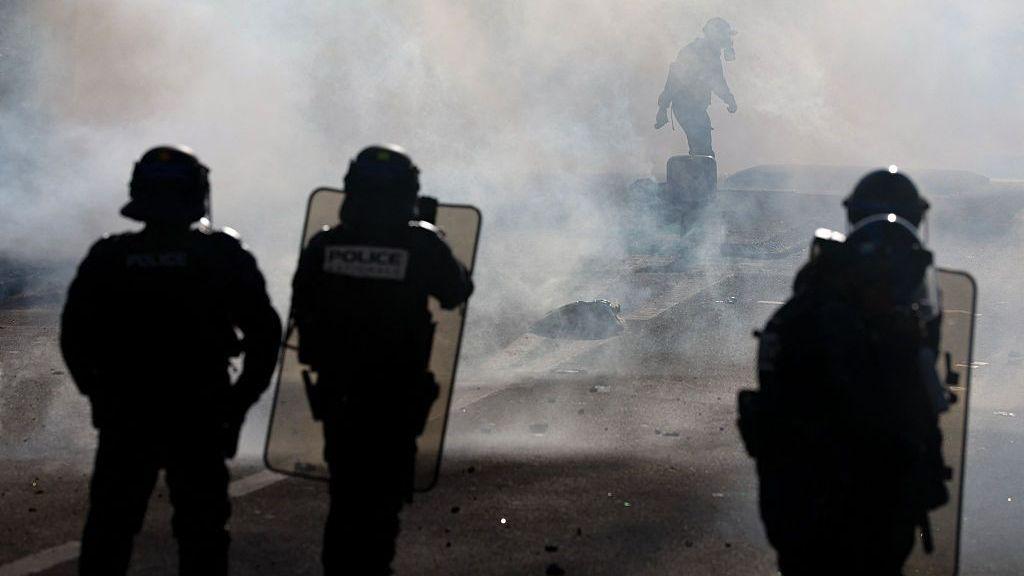
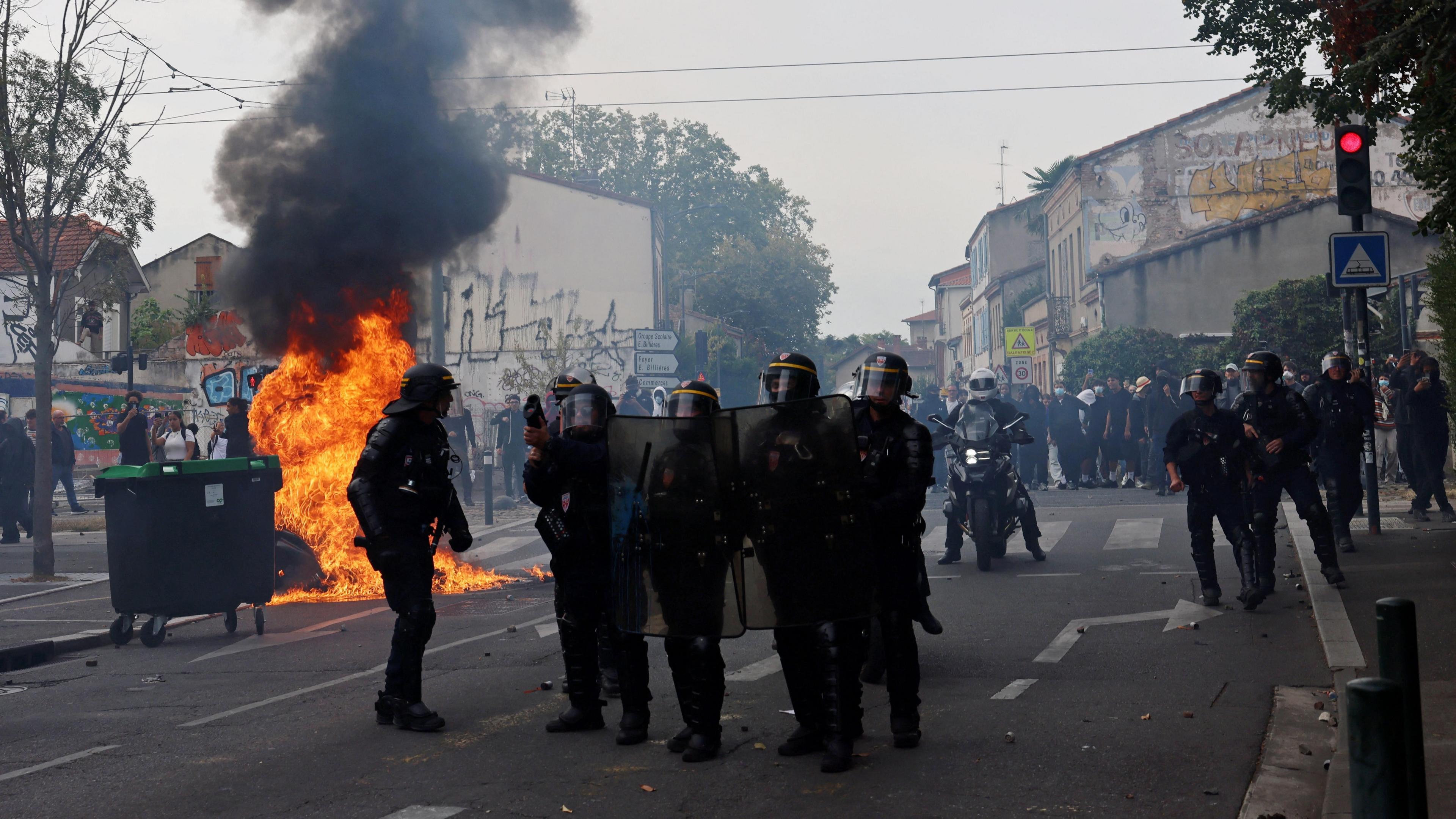
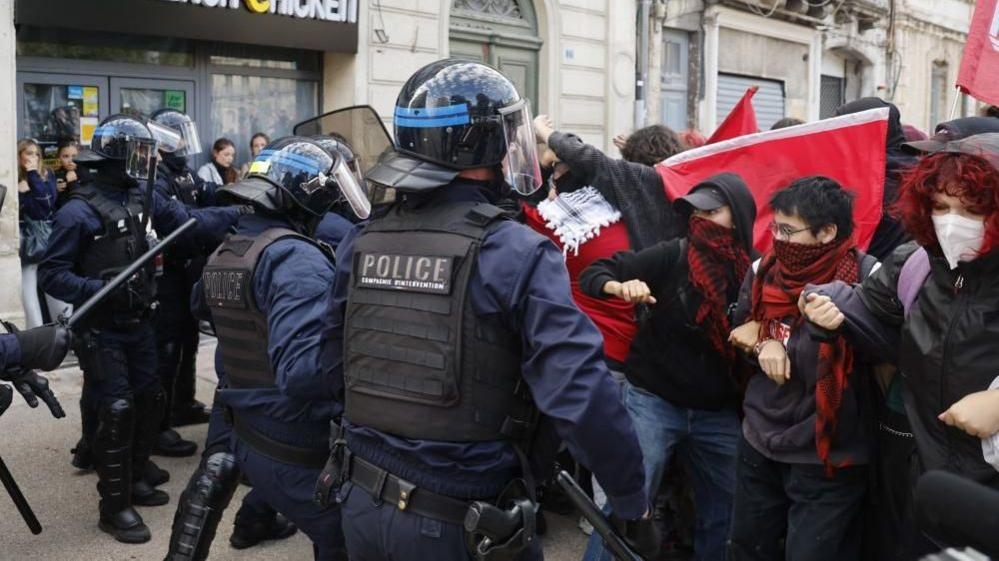
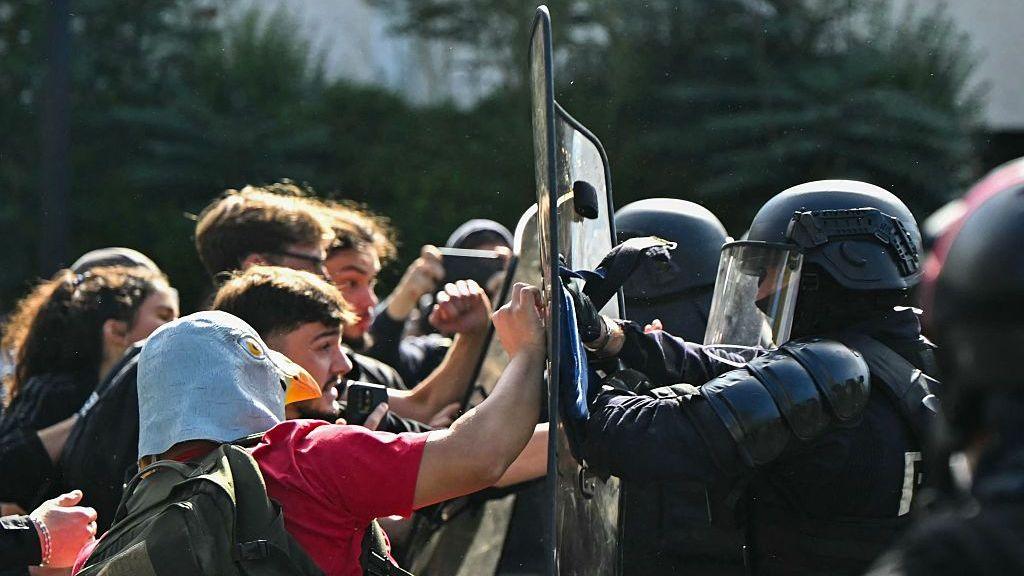
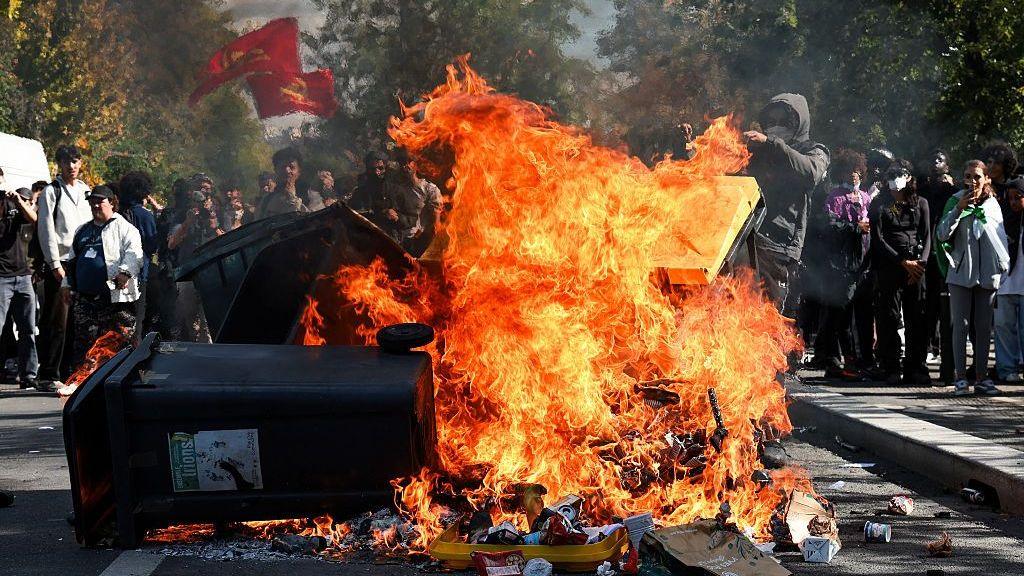
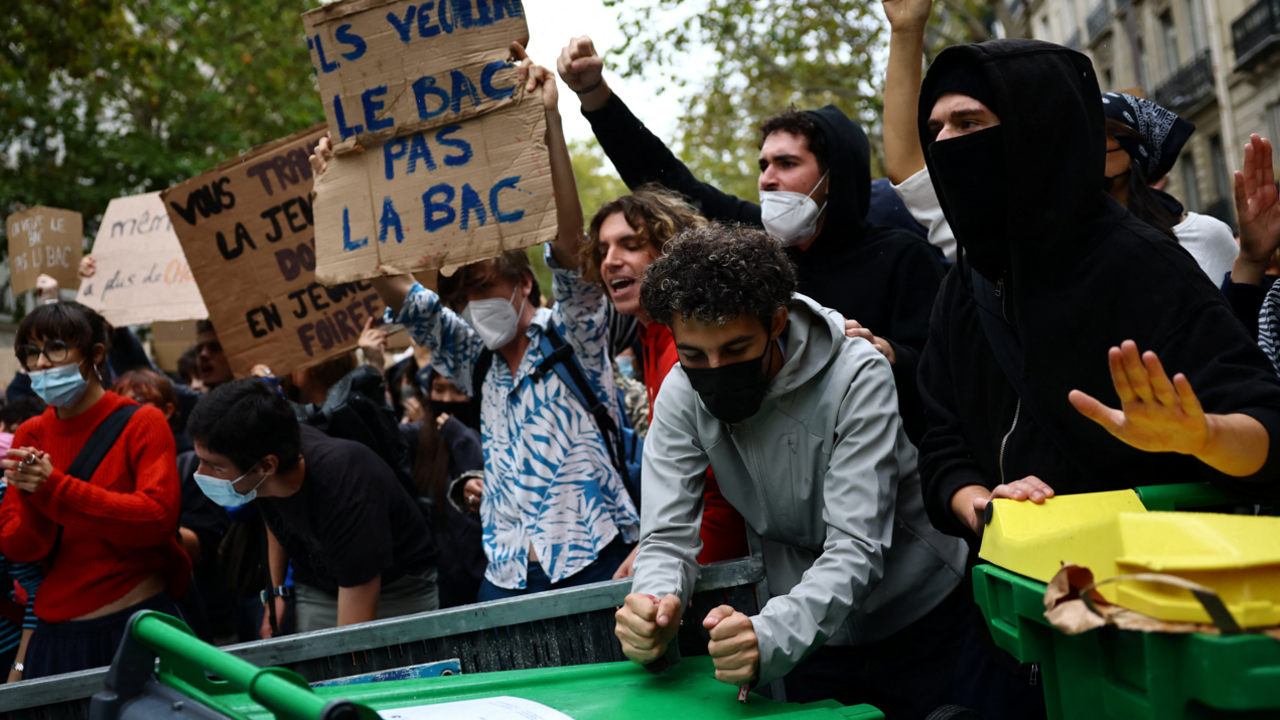
Since late September, students across France have shut gates of lycées and called for more money for teachers, maintenance and technology. The protests have spread to thousands of schools, turning into riots, police clashes and even the use of tear gas.
Behind the crowds are real grievances: staff shortages, crumbling classrooms, hot rooms during heat waves, long hours that leave no time for sleep or homework, and an opaque university‑entry platform, Parcoursup, that many students say is a source of anxiety.
Despite being the EU’s highest spender per high‑school pupil, France’s teacher vacancies are no worse than in other developed countries, and short school days are more a product of lunch breaks than extra schoolwork. But the violence and sheer scale raise questions about the country’s democratic balance of power.
Student activism has a long tradition in France. In 1990 a rape on a campus sparked 500,000‑strong marches that secured an extra €1.2bn for schools; similar protests in 1998, 2006, 2018–19 and even the 1968 uprisings have reshaped policy. Governments have often yielded to the insistence of the street.
Today the movement enjoys two‑thirds public support and is backed by unions, left‑wing politicians and many teachers. But Prime Minister Sebastien Lecornu faces a lean budget, a high debt‑to‑GDP ratio and an upcoming snap election, leaving him with limited options.
Some analysts say France’s current protest surge cannot be explained only by public‑finance issues; the emotional power of school riots and a broader distrust of politics point to deeper fears among youth. The next weeks will show whether the government will act or be further constrained by its own finances.