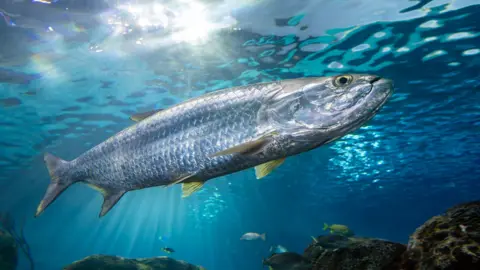
Fish species that undertake mammoth migrations through rivers, lakes, and ponds are facing a combined threat from dams, pollution, and overfishing preventing them from reaching their breeding grounds.
The golden mahseer and goonch catfish are among thirty flagship fish species prioritized for global conservation by the UN in a new report.
A team of international scientists assessed over 15,000 species of freshwater migratory fish - representing half of all fish species - and found their numbers had dropped by approximately 81% over the past half-century. The authors stated that this group has been overlooked for too long but is crucial for many people's livelihoods.
Freshwater fish support hundreds of millions of people globally. For humans, they are vital, said Dr. Zeb Hogan, a biology professor and co-author of the report. As well as providing sustenance for around 200 million people, these fish represent immense diversity that warrants protection.
Many migratory fish can weigh over 650 lbs (295 kg) and migrate up to 7,000 miles. The UN has previously assessed this group of species but has now expanded its research capabilities, identifying 325 fish that should be included in a global agreement aimed at monitoring and supporting threatened migratory animals for recovery.
Among the alarming cases are species like the Allis Shad, River Lamprey, and Atlantic Salmon found in the UK, all under threat from human-driven changes to their habitats.
The report emphasizes the ecological importance of fish and remarks on the significant cultural significance some species hold for various communities worldwide, such as the golden mahseer, revered in the Himalayas.
The UN is pushing for these species to be added to a global treaty for monitoring and protection at its annual meeting in three years. This would require cooperative action across national borders since most migratory fish cross multiple countries throughout their life cycles.
Notably, the Convention on the Conservation of Migratory Species (CMS) aims to encourage global cooperation towards protecting migrating species. The enhancement of conservation efforts for migratory freshwater fish has become increasingly important as they face dire threats to their existence from overfishing and habitat loss.