In brief
Mercedes Wells and Kiara Jones, two Black women from different states, experienced troubling neglect in hospitals during critical moments of labor. The incidents brought to light the alarming maternal health disparities faced by Black women, who are affected by substantial biases in the healthcare system. As advocates seek systemic changes to address racial inequities in maternal care, both women reflect on their harrowing experiences and urge for greater empathy in medical settings.
Two pregnant Black women, separated by nearly 1,000 miles, faced alarming challenges as they went into labor just before the holiday season. Instead of welcoming their babies in safe hospital settings, both encountered dangerous neglect.
One woman, Mercedes Wells, was discharged from a hospital in Indiana despite being in active labor. She ultimately delivered her baby on the side of a highway after nurses dismissed her pain. The other, Kiara Jones, found herself in a similar predicament at a Texas hospital, where staff delayed her admission for over 30 minutes, causing her to give birth just moments after being moved.
These incidents have ignited national discourse on the dire health disparities Black women face, particularly in maternal care. According to a recent CDC report, Black women are nearly 3.5 times more likely to die from pregnancy-related causes compared to white women. While maternal mortality rates for other racial groups have decreased, the figure for Black women shows minimal change.
‘I felt dismissed’
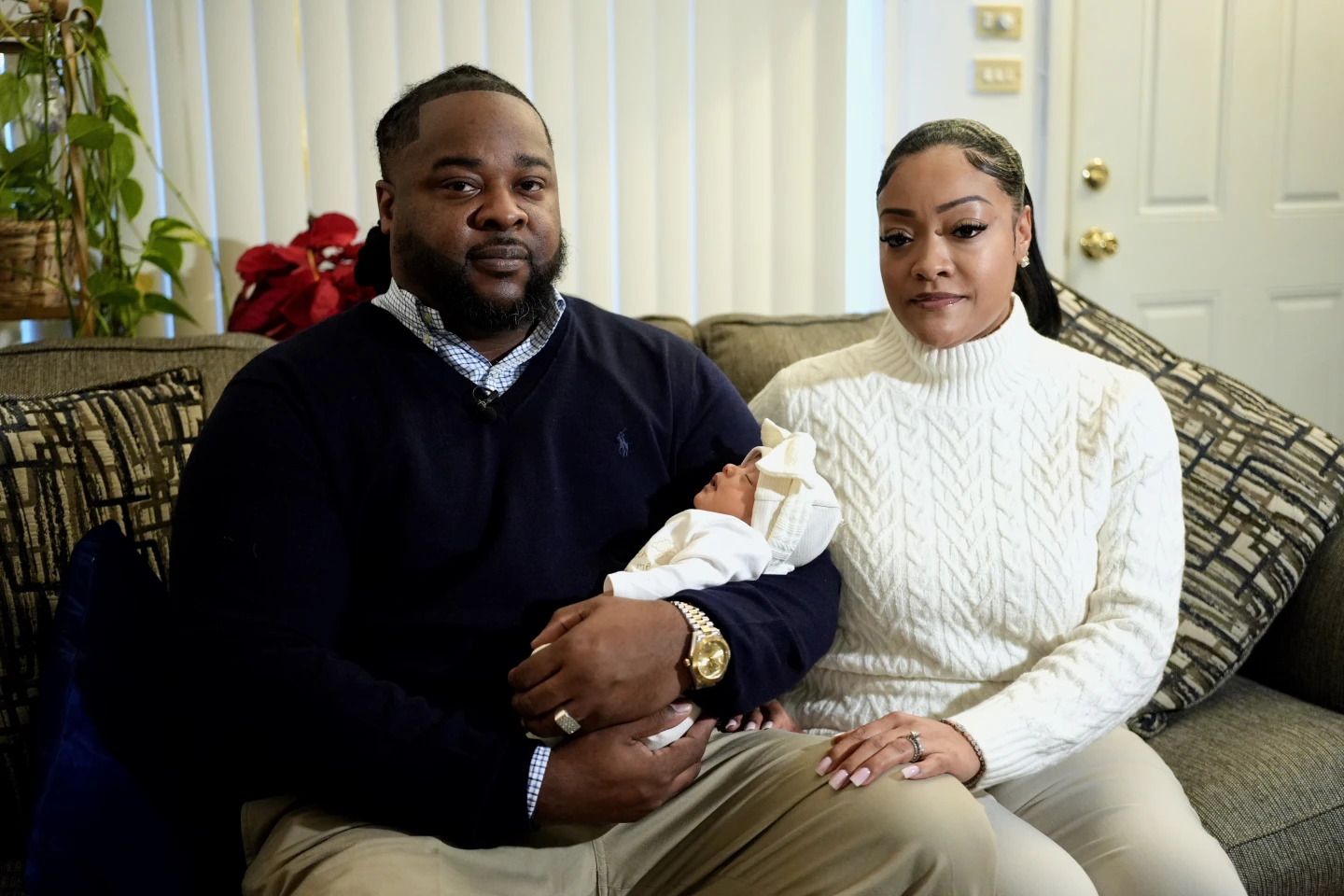
In the moments leading up to her distressing delivery, Wells, a 38-year-old mother of three, felt unsupported. Despite her insistence that she needed immediate care, nurses at the Indiana hospital did not take her seriously, leading her to deliver her baby on the side of a busy highway with her husband’s assistance.
“I felt dismissed,” Wells recalled. “I’m dealing with this pain, and they’re all watching me as if it’s normal.” The hospital has since fired the staff involved and pledged to improve training for its personnel.
Neglect in Texas
Meanwhile, Kiara Jones experienced a mismanaged labor in Texas, also drawing attention to disparities in care. Her family's video of the event went viral, highlighting concerns about the treatment of Black patients in healthcare settings. A letter from her attorneys demanded an investigation into the hospital's practices, emphasizing the long-standing inequities faced by Black women in healthcare.
“This outrage reflects decades of inequities that Black families have endured,” said Texas state Rep. Rhetta Bowers. The hospital's response to her calls for transparency remains under scrutiny.
Postpartum Challenges
Postpartum care remains fraught with obstacles for Black mothers. Incidents of not being believed when reporting pain can lead to severe postpartum complications. Wells ultimately had to seek additional medical help after experiencing complications linked to her initial hospital negligence.
“It’s a matter of life or death,” advocates maintain, highlighting a pervasive issue of distrust in the healthcare system for Black patients. Many women, regardless of status or education, report feeling mistreated by medical professionals.
Call for Systemic Change
The shared experiences of Wells and Jones reflect broader systemic failures in maternal care. Advocacy groups are calling for immediate changes to address the racism and biases that impact healthcare. “Respectful, timely, lifesaving maternity care is non-negotiable,” Dr. Sheldon D. Fields of the National Black Nurses Association emphasized.
For Wells and her husband, Leon, their experience has profoundly affected their view of the healthcare system. They now plan to thoroughly research and document their experiences in future medical encounters, advocating for empathy and understanding. “There needs to be a big change as far as people needing to show empathy,” Leon Wells stated.