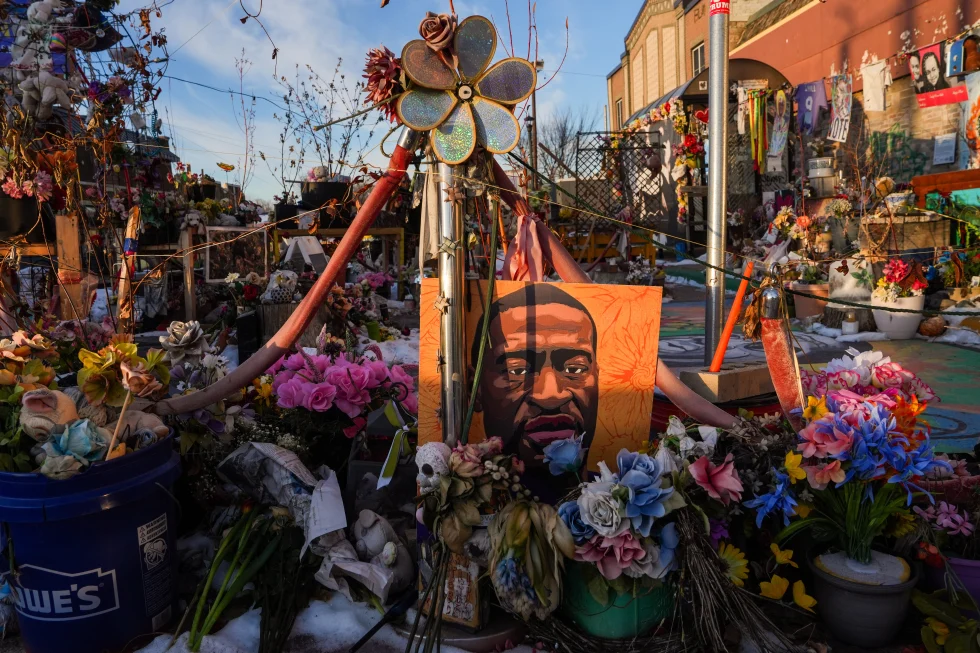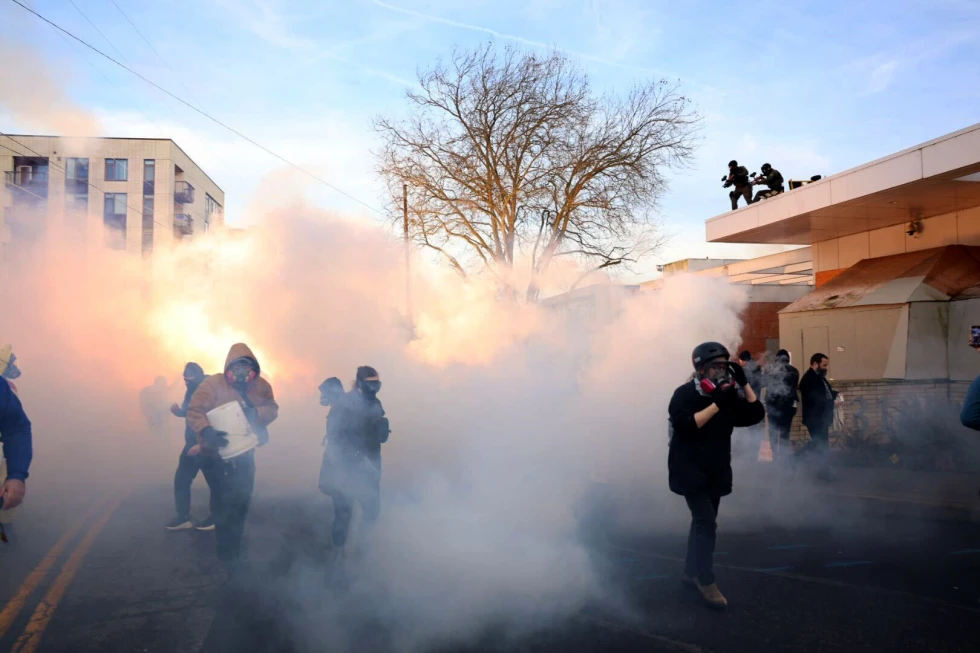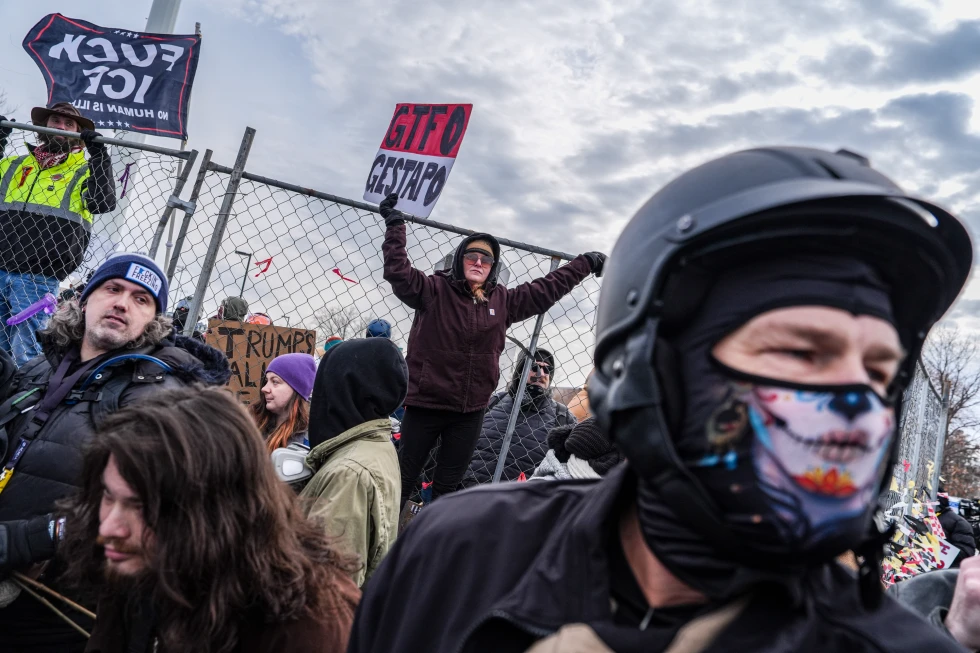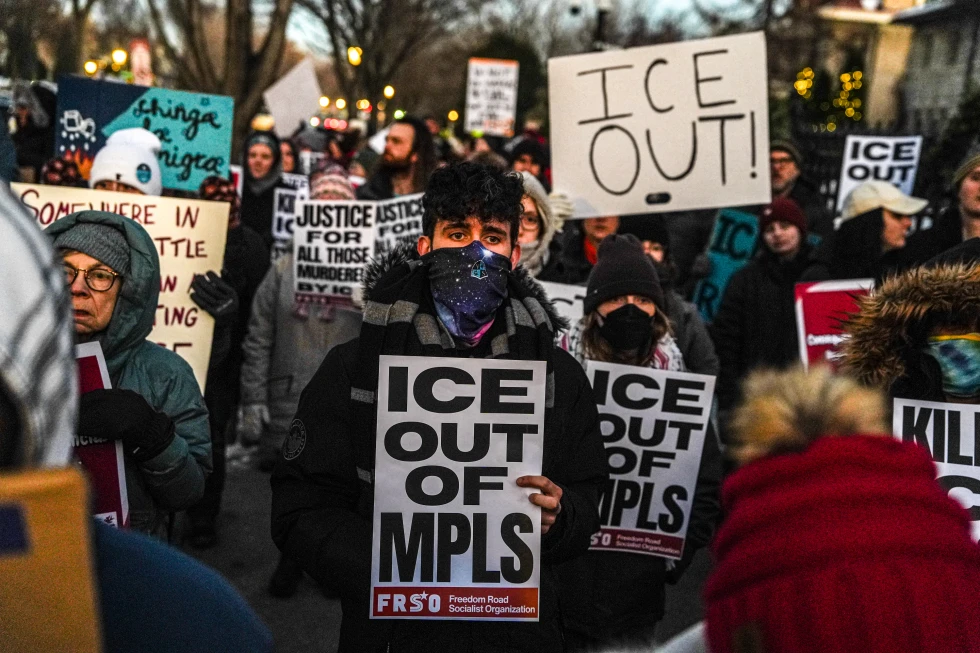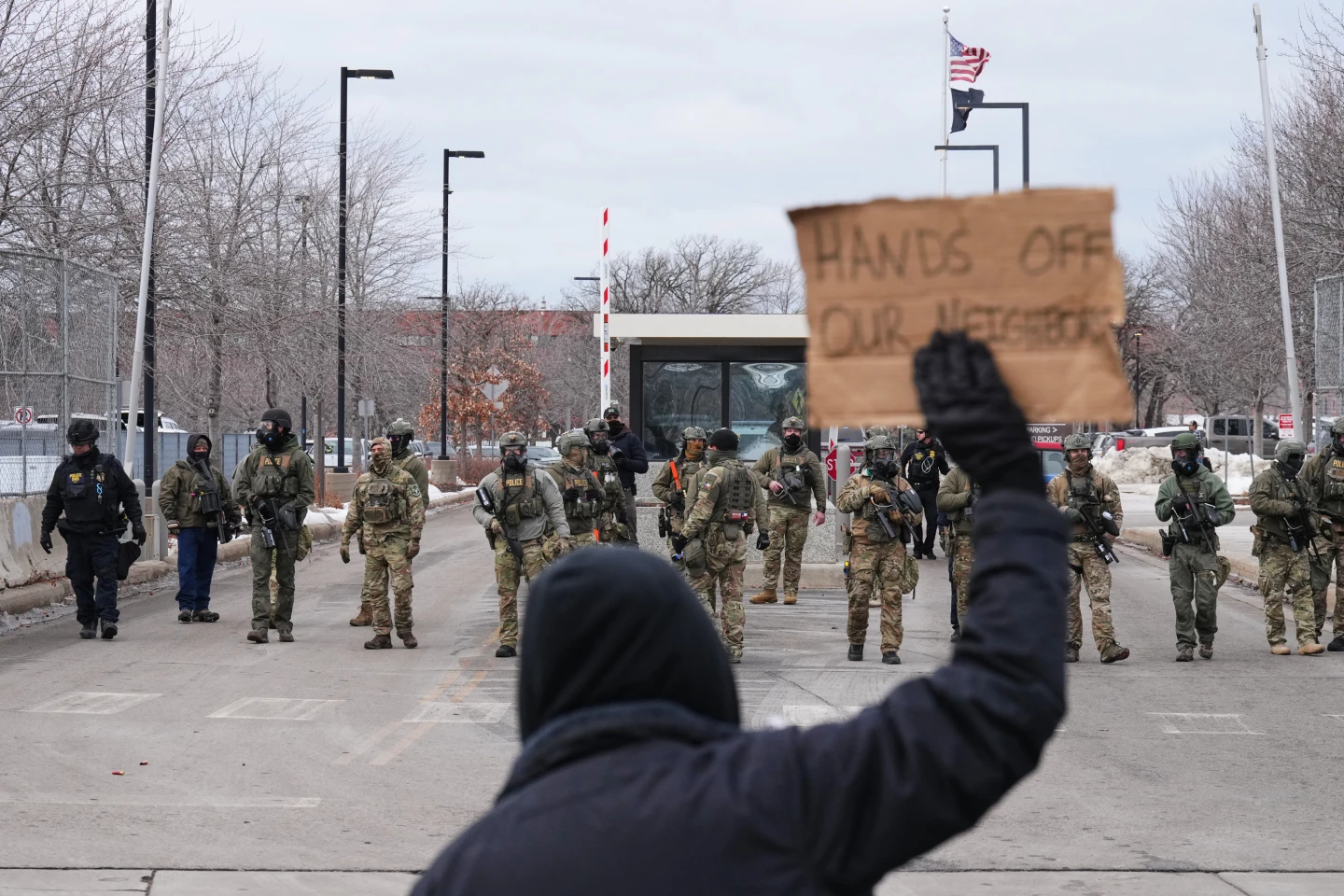
MADISON, Wis. (AP) — Following recent violent incidents involving federal immigration officers, such as the shooting of a protester in Minneapolis, Democratic lawmakers across the U.S. are advocating for changes to state laws aimed at curbing federal immigration enforcement activities. The momentum behind these initiatives is intensifying as state legislatures reconvene amid an ongoing national focus on immigration enforcement under the Trump administration.
In New York, Governor Kathy Hochul has proposed legislation that would enable individuals to sue federal immigration officers for alleged constitutional rights violations. Meanwhile, Oregon Democrats are pushing a bill allowing lawsuits against federal agents for violating Fourth Amendment protections against unlawful searches and seizures. New Jersey recently passed three bills aimed at preventing state law enforcement from cooperating with ICE, which are currently awaiting the governor's approval.
California is also considering laws that would prohibit local law enforcement officials from taking jobs with the Department of Homeland Security and penalize ICE officers for making arrests around sensitive locations like courthouses.
Democratic lawmakers in states traditionally controlled by Republicans, such as Georgia and New Hampshire, are introducing similar bills. Nonetheless, the introduction of these measures in conservative-dominated legislatures faces significant hurdles, making their passage uncertain.
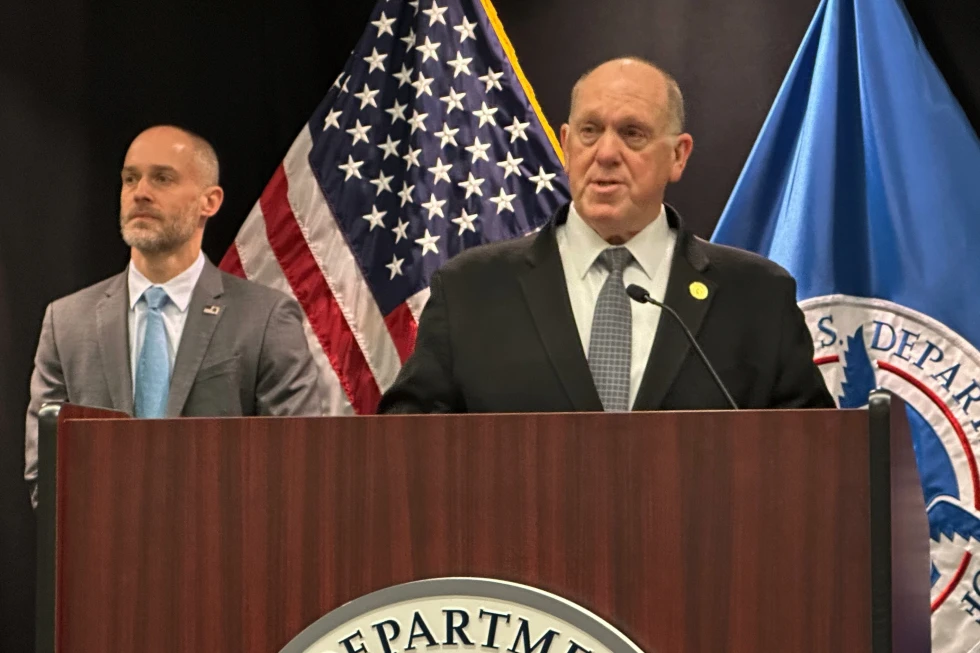
In contrast, the Trump administration has taken a firm stance against these initiatives, suing local governments that enact 'sanctuary' policies designed to restrict cooperation with federal immigration enforcement. Legal experts suggest that a plethora of complex legal challenges will emerge from these clashes between state and federal regulations, leading to a potentially prolonged and contentious legal landscape.
Minnesota and Illinois have already begun legal actions against the Trump administration, alleging infringements on their rights, particularly with regard to free speech and residents' safety in the context of local enforcement of immigration laws.
As these legislative proposals unfold, state officials are voicing strong opinions on the need for accountability in government actions concerning immigration enforcement. This ongoing battle reflects broader national tensions surrounding immigration policy and enforcement.