Houthis Attacks on Red Sea Shipping Heighten Middle East Tensions
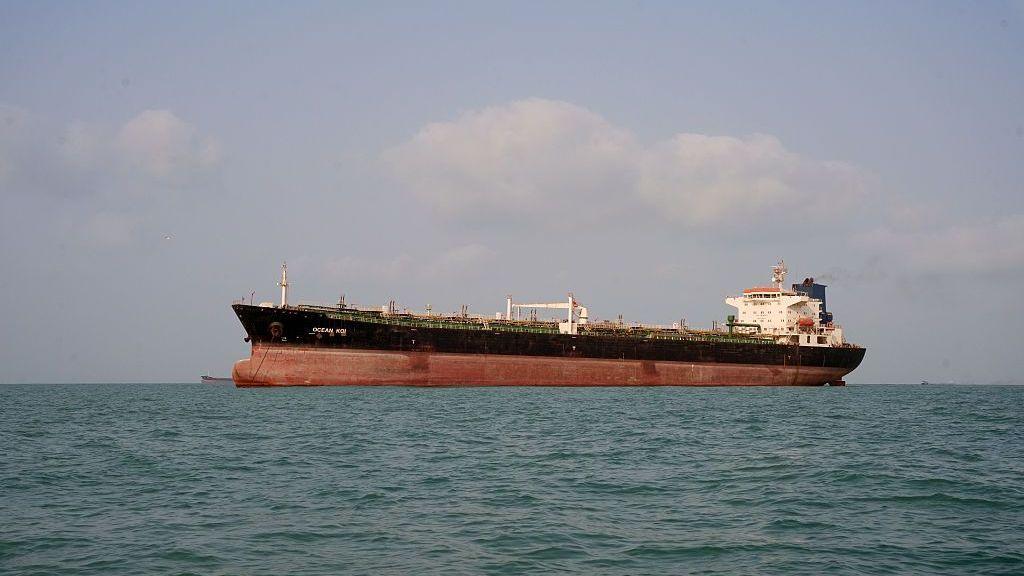
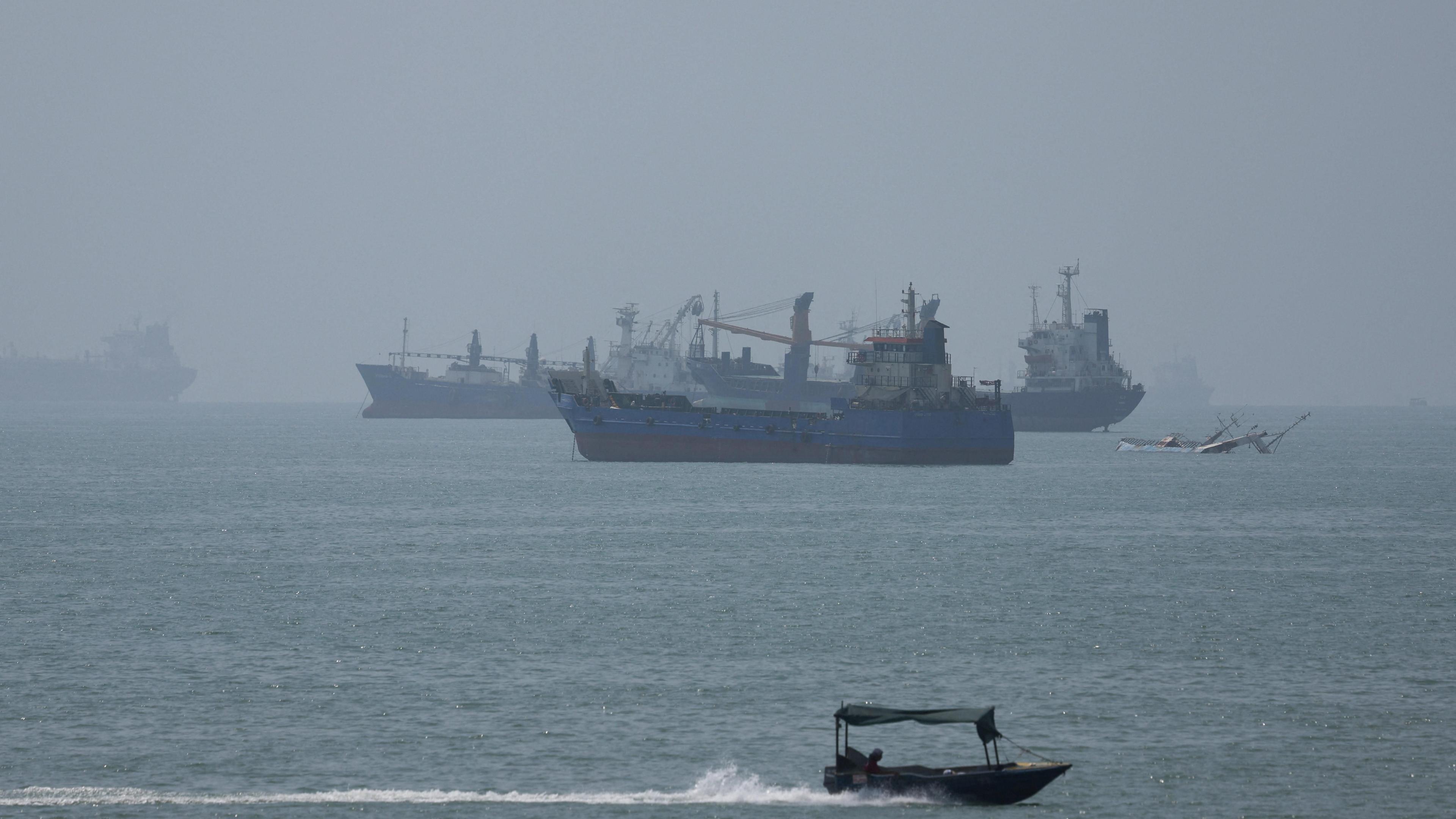
Yemen’s Houthi fighters have claimed that they have attacked shipping in the Red Sea, forcing ships to turn back from the narrow Bab el Mandeb strait and threatening to choke the main maritime route from Europe to Asia. The threat comes amid ongoing US‑Iran air strikes, a deal to develop Saudi Arabia’s nuclear industry and fears of a regional arms race.
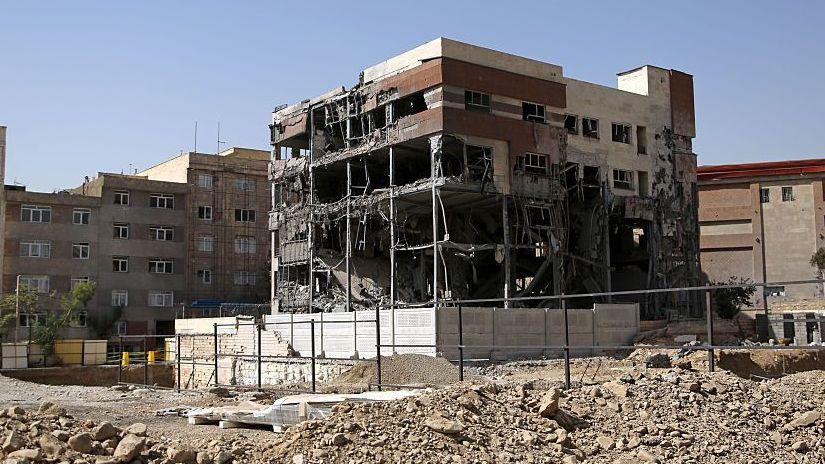
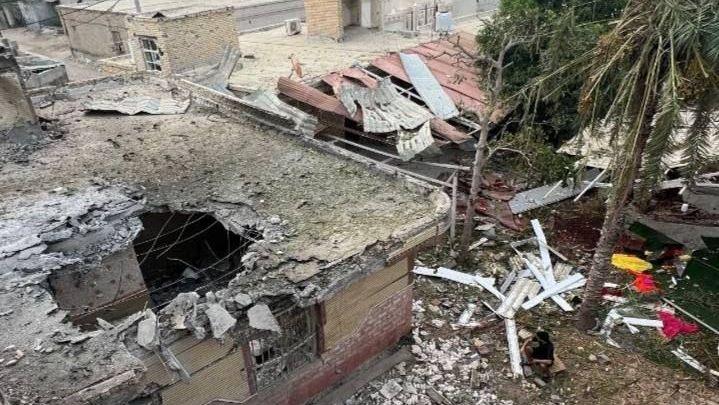
For the past twelve nights, US Central Command (Centcom) has carried out air strikes on Iranian coastal radar, drone, and missile bases. The Gulf Arab states—normally low‑crime havens—have to cope with constant attacks from Iran, while the Iran‑backed Houthis have now entered the fray, after a 2022 ceasefire with neighbouring Saudi Arabia appeared to have broken down.
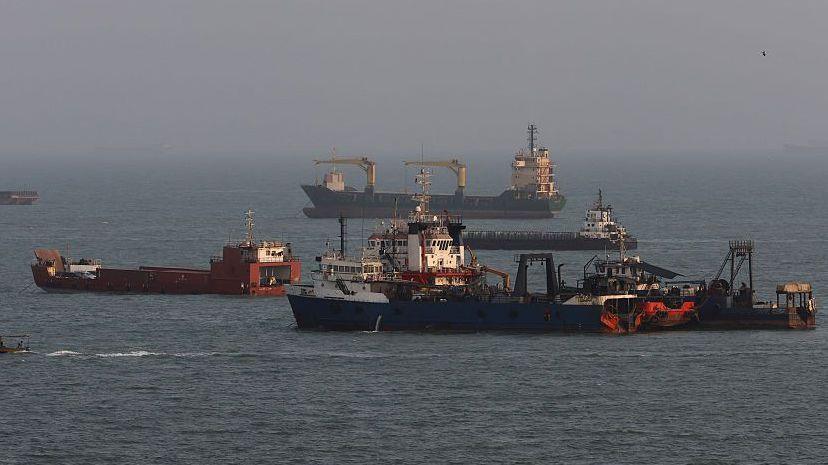
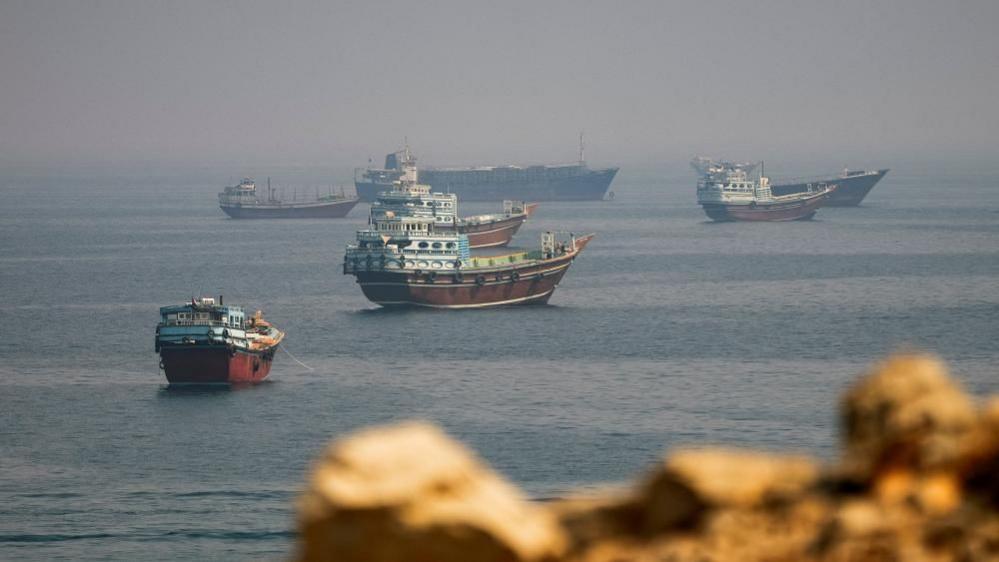
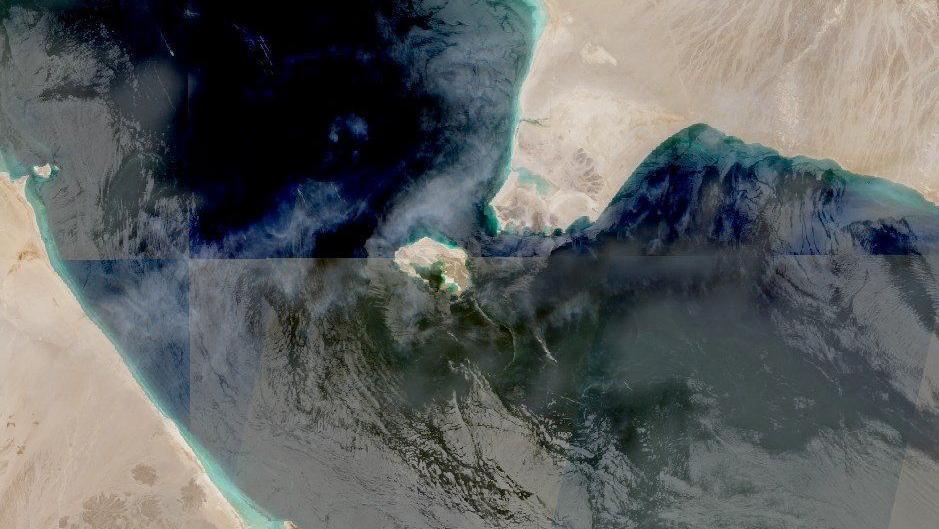
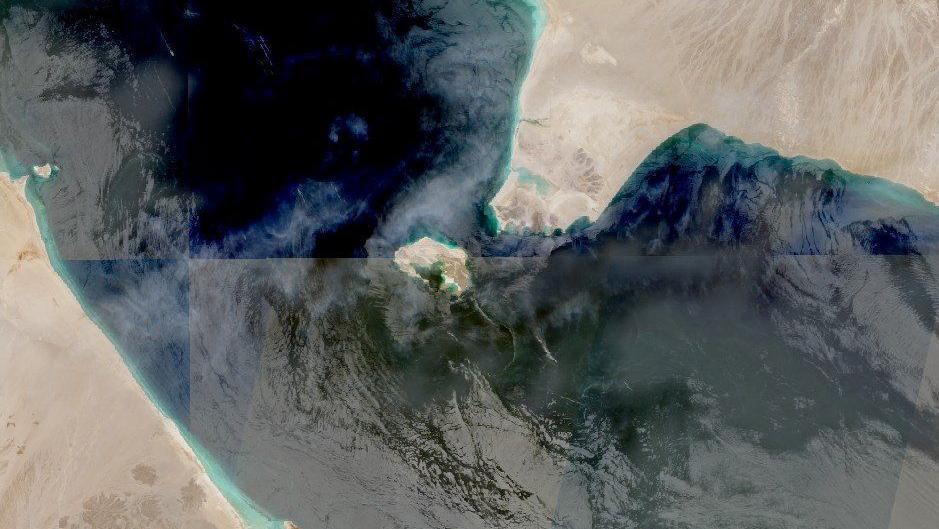
Two Saudi vessels were hit by missiles earlier this week, and the Houthis claim to have turned back ten other ships after warning vessels to avoid Saudi ports, disrupting shipping passing the strategic Bab el Mandeb Strait that links the southern end of the Red Sea with the Indian Ocean.
This disruption matters because, in addition to the existing disruption of global energy and fertilizer supplies caused by Iran’s effective shut‑down of the Strait of Hormuz, a further obstacle to vital maritime trade will soon impact the global economy.
Saudi Arabia has been trying to distance itself from the Iran‑US war, so far largely spared the Iranian drone and ballistic missile attacks that have rain‑dropped this month on Bahrain, Kuwait and Jordan. With the Strait of Hormuz closed, the Saudis have tried to mitigate the disruption to their oil exports by shipping millions of barrels a day through the East‑West Pipeline that traverses the entire breadth of the country, from the oilfields of Eastern Province to a Red Sea export terminal at Yanbu’ Al‑Bahr.
However, the Houthis are now threatening vessels that pass by their coast. US President Donald Trump’s vow to "take care of the Houthis" has yet to succeed, and without a diplomatic deal it appears unlikely to change the situation this time either.
The Houthis are a Shia tribal group from the far north of Yemen, based around Saada. When they took control of Sanaa in 2014, they have since occupied most of Yemen’s populated areas—including the port of Hodeidah—leading Saudi Arabia to launch a war in 2015 in support of the ousted Yemeni government, fearful of an Iranian‑backed militia on its southern border.
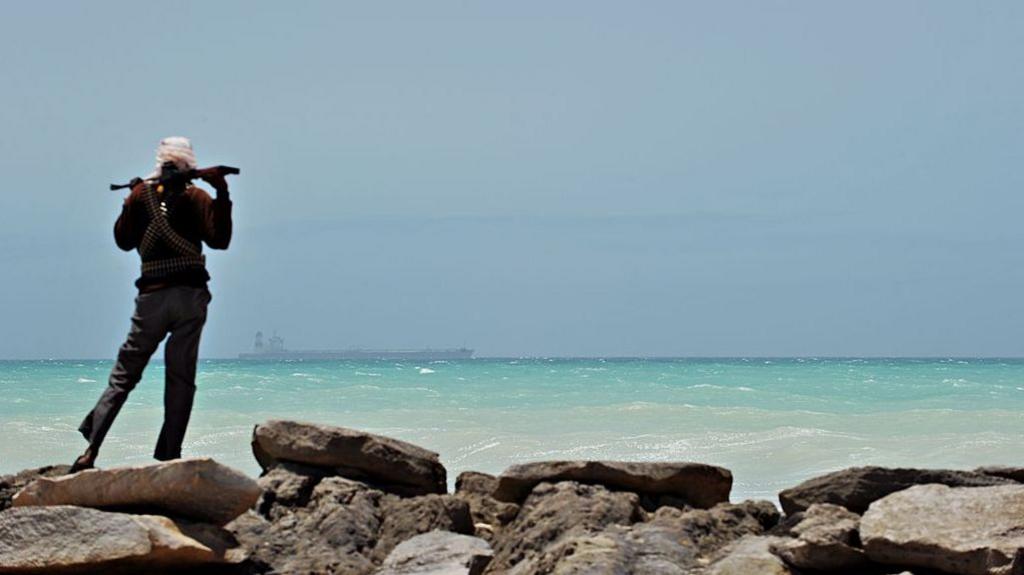
For two years, from 2023 to 2025, the Houthis attacked what they claimed was Israeli‑linked shipping in the Red Sea, a move they said supported Palestinians in Gaza, and launched modern missiles at US and British warships that tried to subdue them.
The Houthi campaign caused a major diversion of global shipping and higher shipping costs, triggering a US‑UK military intervention to protect maritime commerce. There is now fear that this could happen again.
With the Gulf and Arabian Peninsula now the most worrying region for analysts, the clock is ticking: every day that Gulf oil, gas, fertilizer and other essential products cannot get through the Strait of Hormuz to markets puts pressure on global supply chains and eventually prices. A similar block in the Bab el Mandeb Strait would further exacerbate the economic impact.
The Middle East has suffered numerous spikes of violence in its recent history, and this is not the worst that has taken place. Together, the tensions—without a comprehensive deal between the US and Iran—could lead to sustained instability in the region.