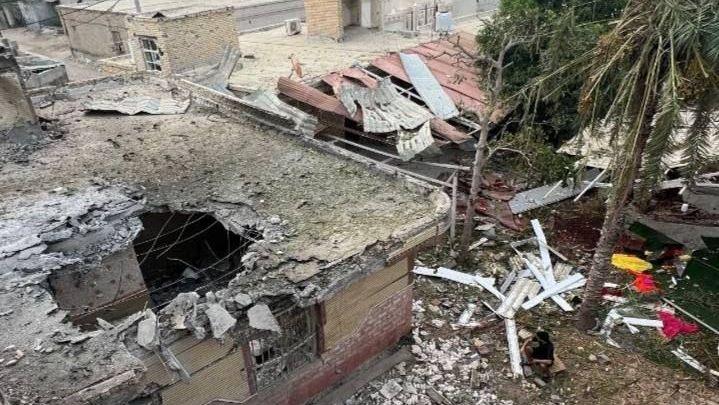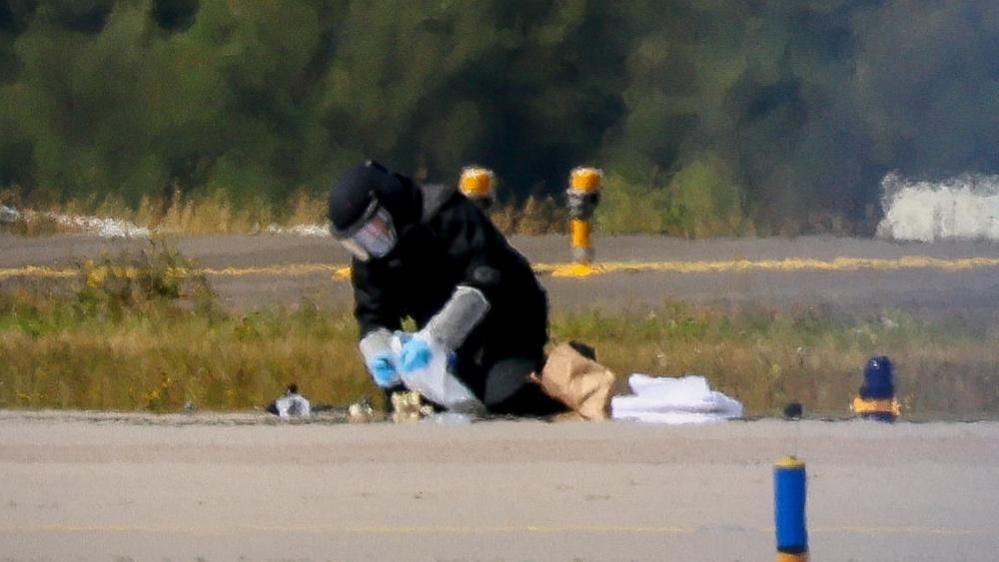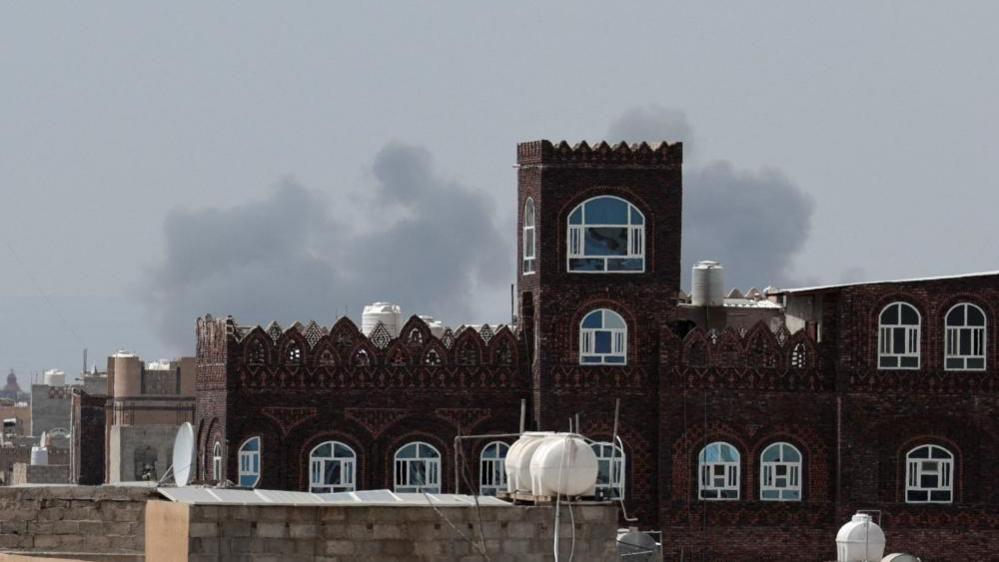
On Monday, the Saudi‑led coalition carried out a drone and missile strike on Yemen’s Sanaa international airport, prompting widespread smoke over the capital and drawing criticism from the Houthi rebels. Yemen’s internationally recognised government said the attack aimed to block an Iranian‑affiliated plane from landing, a claim the Houthis contested, arguing that the strike was a “blatant aggression” against the runways used by civilian aircraft.
In retaliation, Houthi forces fired a volley of ballistic missiles and drones at the Abha International Airport in southwestern Saudi Arabia. Saudi air‑defences reported that the missiles were intercepted with no reported casualties, though the Saudi government warned airlines against flying through its airspace until the blockade on Sanaa’s airport was lifted.
The United Nations Security Council convened an emergency meeting to express concern, and the United Kingdom issued a statement condemning the “reckless Houthi attacks on Saudi Arabia” as a threat to regional security. Iran’s foreign ministry also condemned the Sanaa strike, labeling it a “clear violation of international law.” Analysts note that this confrontation represents the most severe escalation since a de‑escalation agreement was enacted four years ago, heightening fears that the fragile ceasefire could break down again.
With more than 150,000 people killed in Yemen’s civil war and over 22 million people facing humanitarian need, the continued conflict threatens to worsen the crisis. Calls for dialogue and restraint from international actors emphasize the urgency of preventing another cycle of violence, which could severely disrupt civilian life and air transport corridors in the region.