In brief
IShowSpeed, a popular YouTuber known for his high-energy streams, is on a 20-nation tour across Africa, engaging with fans, participating in local traditions, and aiming to reshape perceptions of the continent. His journey, filled with heartwarming encounters and some criticisms, seeks to showcase Africa's vibrant culture while prompting discussions on the impact of global personalities in local contexts.
One of the world's most popular content creators has been attracting huge crowds, mostly his young fans, as he undertakes a 20-nation tour of Africa, a continent he says is full of surprises.
Pre-teen boys in Rwanda and Ethiopia cried with joy and excitement as they hugged their online hero in real life - known by his gamer tag IShowSpeed or simply Speed, who now has more than 48 million YouTube subscribers. He is famous for his high-tempo, frenetic, and totally unscripted broadcasts that last anything from three to 11 hours.
African Americans have also been moved to see the outpouring of love and respect shown to their countryman, who will turn 21 during his Speed Does Africa tour.
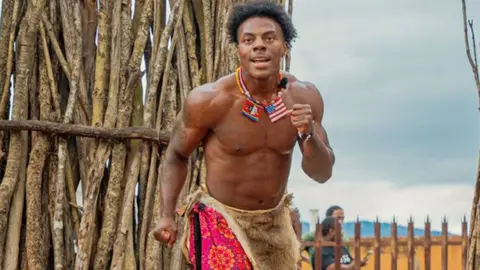
In Eswatini, he was given the name Logijimako - meaning the one who runs - during an initiation ceremony at a royal palace for him to become a warrior who protects the king and family.
Speed, whose real name is Darren Watkins Jr, was overwhelmed by the reactions in Angola, where a fan recreated a meme of his iconic expression on the beach. He shared his admiration for the continent’s vibrant energy during his livestreams.
Over 28 days, Speed plans to visit 20 countries, including Nigeria, Ivory Coast, Liberia, and Ghana. His itinerary involves exploring culture, history, food, and engaging in high-risk stunts while livestreaming his adventures.
I want to show the world what Africa really is, Speed declared during his South Africa stop, showcasing his enthusiasm by participating in local activities that reflect the continent’s diversity.
However, not all feedback regarding the tour has been positive. Critics label it as a superficial spectacle, suggesting that it is more about the entertainer's brand than a genuine exploration of African culture. Misunderstandings have arisen in events, such as when Speed overlooked Miss Universe Zimbabwe, showcasing the chaotic nature of his engagements.
Despite the controversy, many fans, particularly from younger generations, appreciate Speed’s raw and unfiltered approach. His engaging personality has resonated with many who seek connection and a sense of belonging, reflecting a growing appetite for diverse cultural expressions.
In Ethiopia, Speed participated in traditional customs, engaging locals in spirited dances and exploring significant landmarks. His exhilarating exploits lead some to believe that such interactions could foster a more positive understanding of Africa on a global scale.
While Speed’s tour raises questions about the balance between entertainment and cultural exchange, it undeniably amplifies discussions about Africa’s representation in media. As viewers around the world tune in, the dynamics of fan culture clash harmoniously with the realities of African life, perhaps paving the way for meaningful dialogues going forward.