A new Bollywood spy film is generating praise - and unease - in India and Pakistan for its contentious portrayal of the longstanding hostilities between the South Asian neighbours.
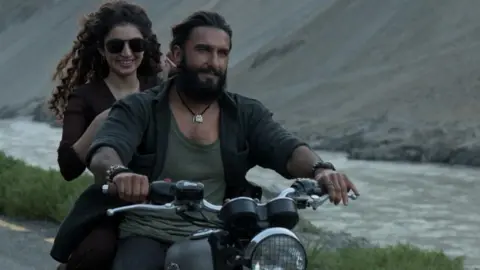
'Dhurandhar', which hit cinemas last week, plunges audiences into a high-octane world of espionage, gang wars and patriotic fervour.
Anchored by Bollywood star Ranveer Singh's swaggering performance as Hamza, an Indian spy on a perilous mission in Karachi, Pakistan, the film traces his battles against criminal networks and personal demons — all framed against the backdrop of India-Pakistan tensions.
While the action-packed sequences have earned praise from many viewers, the film has also provoked sharp debate over its political messaging and treatment of historical events.
Directed by Aditya Dhar, who is known for his politically charged films, 'Dhurandhar' comes months after the worst military clash between India and Pakistan in two decades, raising the stakes of its narrative.
The film is not just a visual spectacle; it raises concerns about its depiction of violence and the implications of its portrayal of Pakistan, which some critics describe as a lawless and hostile backdrop.
Praise and criticism have flowed online as audiences grapple with the film's narrative tone. Supporters hail its ambition, while detractors argue that its hyper-nationalist rhetoric and graphic violence may be inflammatory.
Reviewers reported backlash from supporters of 'Dhurandhar,' accusing critics of political bias. The Film Critics' Guild condemned subsequent harassment directed at reviewers of the film.
Despite the polarized reactions and alleged inaccuracies, 'Dhurandhar' continues to attract large audiences, becoming one of the year's biggest hits. The film reflects a growing trend of nationalist blockbusters in Indian cinema that address sensitive societal issues, further complicating the relationship between entertainment and propaganda.
From its portrayal of Karachi's gangsters and references to historical events to the depiction of inter-country tensions, 'Dhurandhar' is a testament to the intricacies and challenges of filmmaking in a politically charged environment, contributing to an ongoing dialogue about identity, nationalism, and representation in cinema. Critics argue about the thin line between portraying historical realities and promoting nationalistic propaganda, as audiences consume films that both entertain and evoke intense feelings regarding socio-political issues.