In brief
As Bangladesh prepares for its upcoming elections, a noticeable shift in the youth's perception towards India is emerging. Grievances stemming from perceived Indian support of former Prime Minister Sheikh Hasina’s authoritarian regime, alongside recent political events, are fueling a strong sense of nationalism and anti-Indian sentiment among the younger generation. Analysts suggest this relationship is at its lowest point in decades, complicated by longstanding issues and new political dynamics.
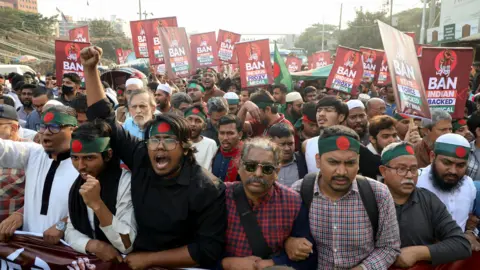
The walls of Dhaka University are screaming again. Graffiti - angry, witty, sometimes poetic - sprawls across walls and corridors, echoing the Gen Z-led uprising that toppled Sheikh Hasina after 15 years in power. The youth are mobilizing not just against authoritarianism, but increasingly, against India. With the anticipated election on 12 February poised to be their first genuine encounter with the ballot box, students reflect a complex relationship with India, marked by historical grievances and current sentiments.Nobel Peace Prize laureate Muhammad Yunus assumed leadership shortly after Hasina's ousting, and she fled to India amidst allegations of a brutal security crackdown. The Awami League, her party, is barred from the contest and the main opposition party, BNP, is vying for the liberal center ground.Slogans heard echoing across campuses, such as 'Dhaka, not Delhi', encapsulate a growing frustration with India's perceived influence over Bangladeshi politics. Many young Bangladeshis feel India intervened in their democracy, especially during controversial elections that solidified Hasina’s hold on power, deepening feelings of betrayal toward Delhi for its role in her governance.Concerns about India's influence are compounded by unresolved issues such as border conflicts, water sharing disputes, and cultural tensions. This has led to a rhetoric of resistance among youth, who perceive India not as a partner but as a hegemonic force. Even as Indian officials attempt diplomatic outreach, the sentiment on the ground continues to sour.Yet, within this landscape, there remains a nuanced understanding among some, who separate government actions from the people they interact with across borders. Activists and analysts alike suggest that while the current climate poses significant challenges, both nations share deep historical ties that could foster future kinship if addressed correctly. The youth's sentiment toward India reflects both current grievances and the historical context of the Bangladesh-India relationship, navigating the complexities of national identity, politics, and geopolitical dynamics.