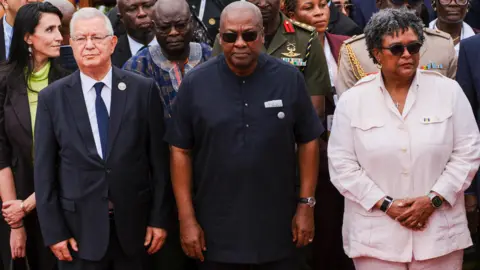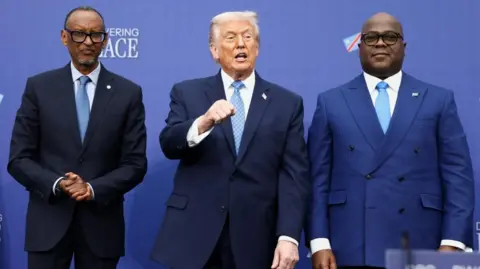
Africa's heads of state are gathering in the Ethiopian capital, Addis Ababa, for their annual meeting this weekend at a time when the continent's place in the world appears to be in flux.
Canada's Prime Minister Mark Carney, speaking in Davos last month, described an arresting image of the future of international relations: either countries were at the table or they were on the menu. For Africa's leaders, who for years have argued that they should be dining at the top table, it was not an unfamiliar analogy.
In his second term, US President Donald Trump has accelerated the trend towards great-power domination of world affairs and the ditching of multilateralism. As the White House's updated security strategy states, not every region in the world can get equal attention, implying less focus on Africa in favor of other areas. This policy shift threatens traditional dependencies of less powerful nations on global bodies such as the UN and World Bank.
Analysts warn that African countries could be 'left behind' if effective common strategies are not developed amidst the rising urgency to reassess international relationships. Tighisti Amare from Chatham House cautions that bilateral deals with the US on mineral and resource extraction might bypass opportunities for collective negotiation for African interests.
Critics also point out that the US's transactional approach could weaken African nations' bargaining positions. Deals like the one struck with the Democratic Republic of Congo, aimed at securing supply chains for critical minerals, reflect this trend, potentially prioritizing American corporate interests over broader economic cooperation beneficial for African countries.
Ghana’s President John Mahama calls for Africa to reclaim its sovereignty and establish a united front, urging investment in skills and regional industrialization. He emphasizes that without cohesive action and leadership across the continent, Africa may continue to struggle for meaningful engagement in the evolving global arena.
As Africa confronts an unpredictable ally in the US and shrinking development aid, leaders must weigh immediate transactional gains against long-term strategic needs. The potential to regain agency in international negotiations hinges on collective efforts and strengthened regional collaborations.