WASHINGTON (AP) — Before President Donald Trump’s administration started dismantling the Education Department, the agency served as a powerful enforcer in cases of sexual violence at schools and universities. It brought the weight of the government against schools that mishandled sexual assault complaints involving students.
That work is quickly fading away.
The department’s Office for Civil Rights was gutted in Trump’s mass layoffs last year, leaving half as many lawyers to investigate complaints of discrimination based on race, sex or disability in schools. Those who remain face a backlog of more than 25,000 cases.
Investigations have dwindled. Before the layoffs last March, the office opened dozens of sexual violence investigations a year. Since then, it’s opened fewer than 10 nationwide, according to internal data obtained by The Associated Press.
Yet Trump’s Republican administration has doubled down on sexual discrimination cases of another kind. Trump officials have used Title IX, a 1972 gender equality law, against schools that make accommodations for transgender students and athletes. The Office for Civil Rights has opened nearly 50 such investigations since Trump took office a year ago.
Even before the layoffs, critics said the office was understaffed and moved too slowly. Now, many firms that handle Title IX cases have stopped filing complaints, calling it a dead end.
“It almost feels like you’re up against the void,” said Katie McKay, a lawyer at a New York firm that represents victims.
“It feels like a big question mark right now,” she said. “How are we supposed to hold a school accountable once it has messed up?”
An Education Department spokesperson said the office is working through its caseload, blaming President Joe Biden’s Democratic administration for leaving a backlog and rewriting Title IX rules to protect LGBTQ+ students. Trump officials rolled back those rules.
“The Trump Administration has restored commonsense safeguards against sexual violence by returning sex-based separation in intimate facilities,” spokesperson Julie Hartman said. “OCR is and will continue to safeguard the dignity and safety of our nation’s students.”
Students have few other places to turn
The layoffs have slowed work at the Office for Civil Rights across the board, but it has an outsize impact on cases of sexual violence. Students who are mistreated by their schools — including victims and accused students alike — have few other venues to pursue justice.
Many are now left with two options: File a lawsuit or walk away.
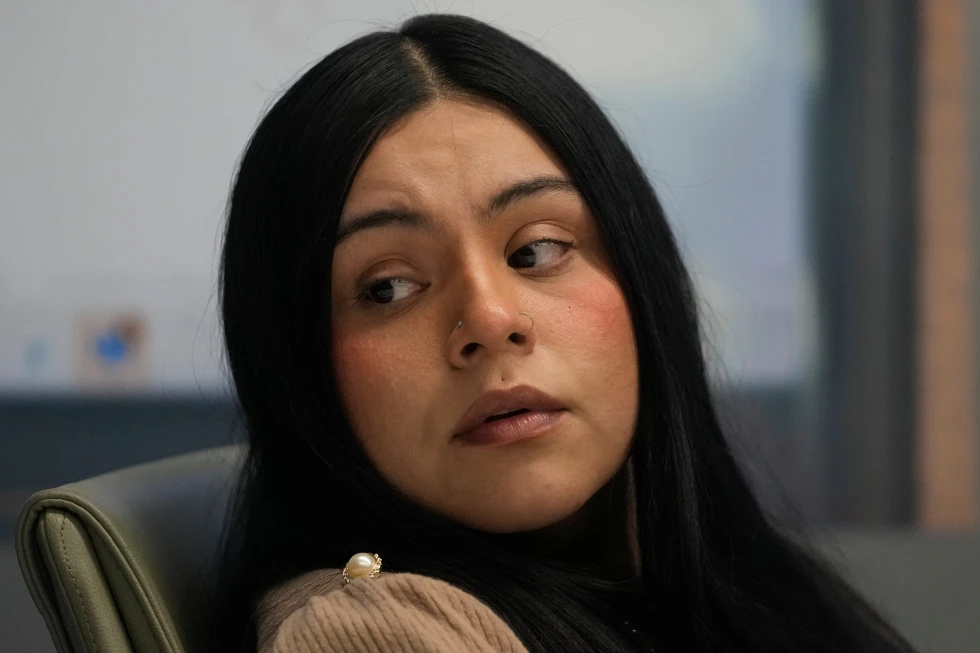
One woman said she’s losing hope for a complaint she filed in 2024. She alleges her graduate school failed to follow its own policies when it suspended but didn’t expel another student found by the school to have sexually assaulted her. No one has contacted her about the complaint since 2024.
The woman recently sued her school as a last resort. She said it feels like a David and Goliath mismatch.
“They have all the power, because there is no large organization holding them accountable. It’s just me, just this one individual who’s filing this simple suit,” the woman said.
The civil rights office is supposed to provide a free alternative to litigation. Anyone can file a complaint, which can trigger an investigation and sanctions for schools that violate federal law.
In 2024, the agency received more than 1,000 complaints involving sexual violence or sexual harassment, according to an annual report.
It’s unclear how many complaints have been filed more recently. Trump’s administration has not reported newer figures. In conversations with the AP, some staffers said cases are piling up so quickly they can’t track how many involve sexual violence.
In December, the department acknowledged the civil rights backlog and announced dozens of downsized workers would be brought back to the office amid a legal challenge to their layoffs.
Historically, the feds have held schools and colleges accountable.
Before Trump was elected to his second term, the office had more than 300 pending investigations involving sexual assault, according to a public database. Most of those cases are believed to be sitting idle as investigators prioritize easier complaints, according to staffers who spoke on the condition of anonymity for fear of retribution.
Many advocates worry about the narrowing means of holding institutions accountable in light of these changes, asserting it represents a significant regression in civil rights protections for students.