Indiana state senators are expected to take a final, high-stakes vote on redistricting Thursday after months of pressure from President Donald Trump, and the outcome is still uncertain.
Even in the face of one-on-one pressure from the White House and violent threats against state lawmakers, many Indiana Republicans have been reluctant to back a new congressional map that would favor their party’s candidates in the 2026 elections.
Trump is asking Republican-led states to redistrict in the middle of the decade, an uncommon practice, in order to create more winnable seats for the GOP ahead of next year’s elections. Midterms typically favor the party opposite to the one in power, and Democrats are increasingly optimistic about flipping control of the U.S. House after recent high-profile successes.
In Indiana, Trump supports the passage of a new map drafted by the National Republican Redistricting Trust, engineered to secure all nine of the state’s congressional districts for the GOP. Currently, Republicans hold seven out of nine seats.
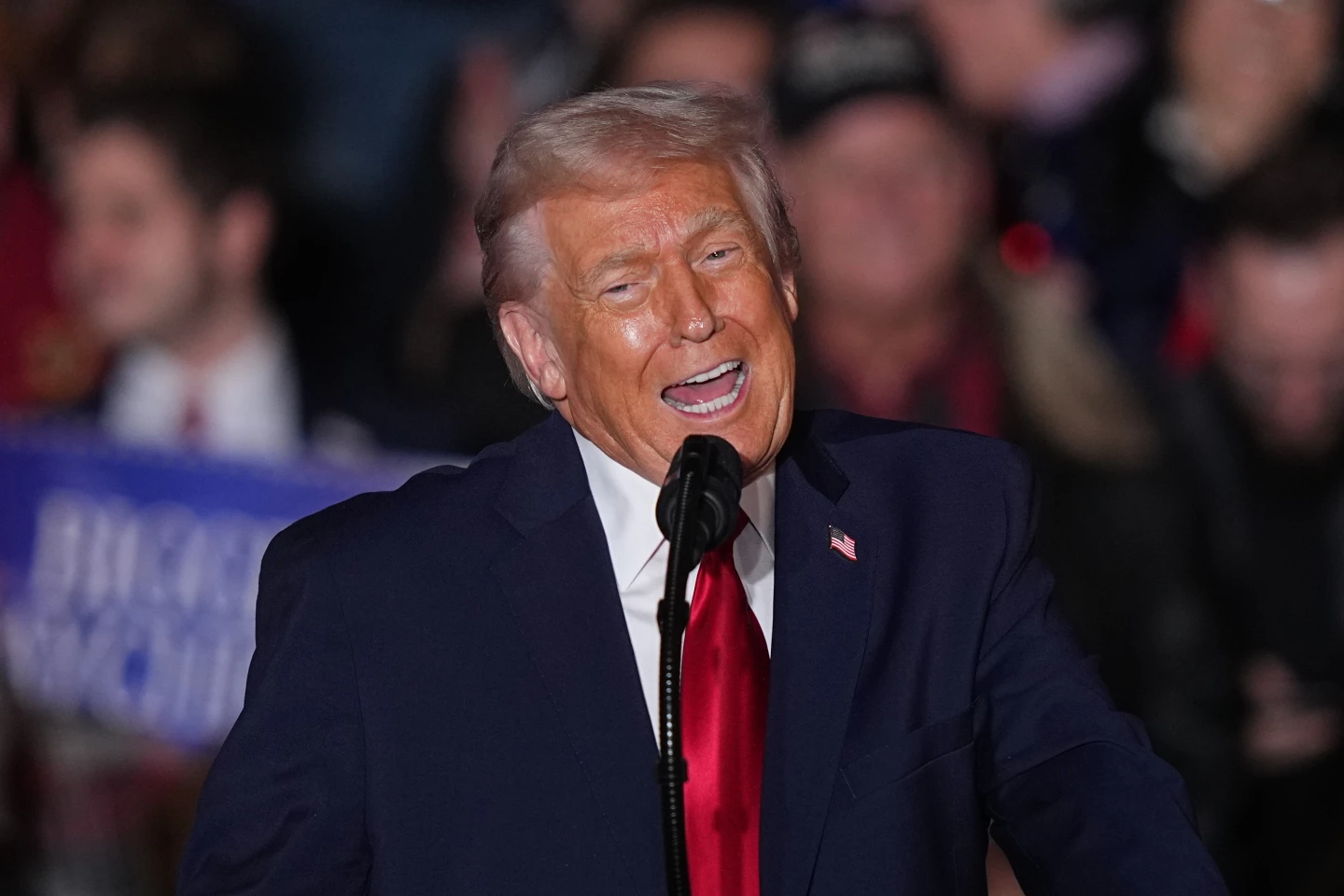
On Wednesday, Trump harshly criticized party members who resisted the plan, threatening to support primary challenges for those who oppose it. He stated, “If Republicans will not do what is necessary to save our Country, they will eventually lose everything to the Democrats.”
The proposed map would divide the city of Indianapolis into four districts, each interspersed with substantial regions of rural Indiana—three of which would extend from the central city to the borders of neighboring states. Currently, Indianapolis comprises one congressional district long held by Democratic U.S. Rep. André Carson.
The new map is also designed to obliterate the district of U.S. Rep. Frank Mrvan, who oversees an urban constituency near Chicago.
A dozen lawmakers in the 50-member state Senate have not publicly disclosed their positions on the new maps. If at least four of them join the chamber’s ten Democrats and twelve Republicans already expected to vote against it, the proposal might fail in what would be a significant repudiation of Trump’s demands.
Supporters of the proposed map require a minimum of 25 yes votes; a tie would be resolved by Republican Lt. Gov. Micah Beckwith, who is in favor of the redistricting.
Thus far, mid-cycle redistricting initiatives have granted Republicans nine more congressional seats they view as winnable and have positioned Democrats for six additional potentially winnable seats, with ongoing litigation regarding redistricting strategies in various states.
In escalating pressure, multiple Republican factions are threatening to help primary opponents targeting Indiana state senators who oppose the redistricting initiative. Turning Point Action pledged to allocate significant resources to state legislative races if the redistricting proposal does not pass, aligning with Trump’s commitment to back primary challengers against those who dissent from the new map.