Paramount Skydance has made another offer to buy Warner Bros Discovery as it seeks to trump a rival plan from Netflix to buy the company's studio and streaming networks.
Paramount, which is backed by the billionaire Ellison family, said it was making a direct offer to shareholders of $30 per share to scoop up the whole of Warner Bros, including its traditional television networks.
It said its proposal was a superior alternative to Netflix's, delivering more cash upfront to shareholders and greater prospect of approval by regulators.
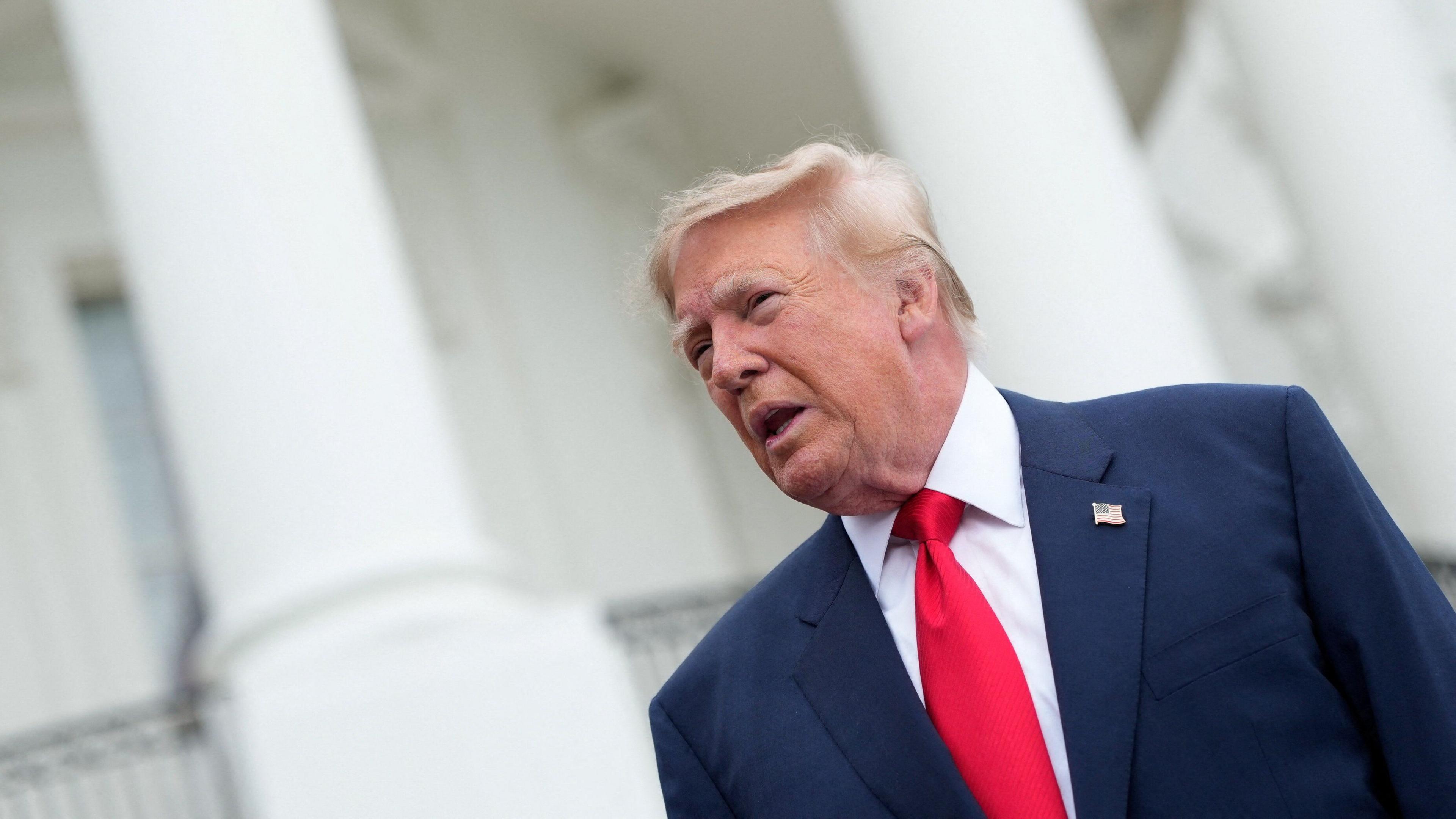
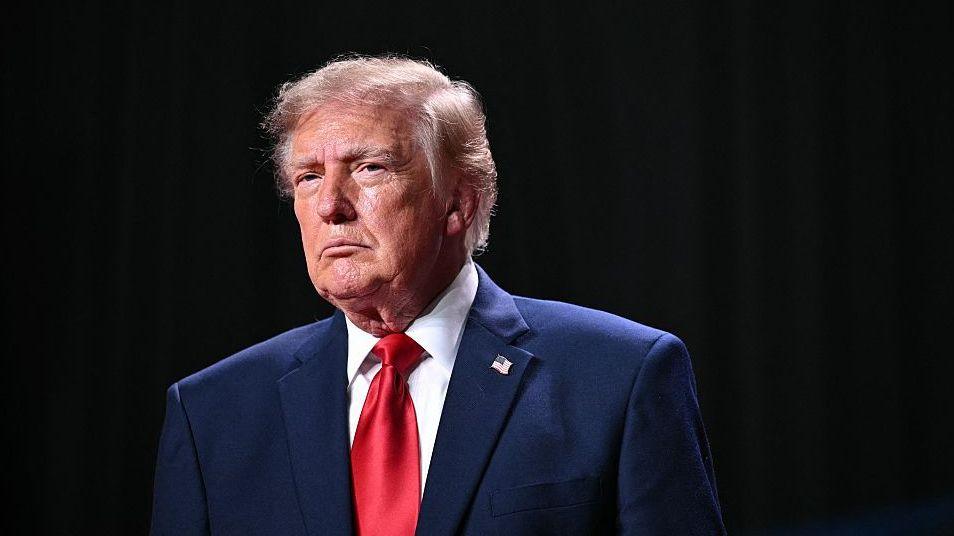
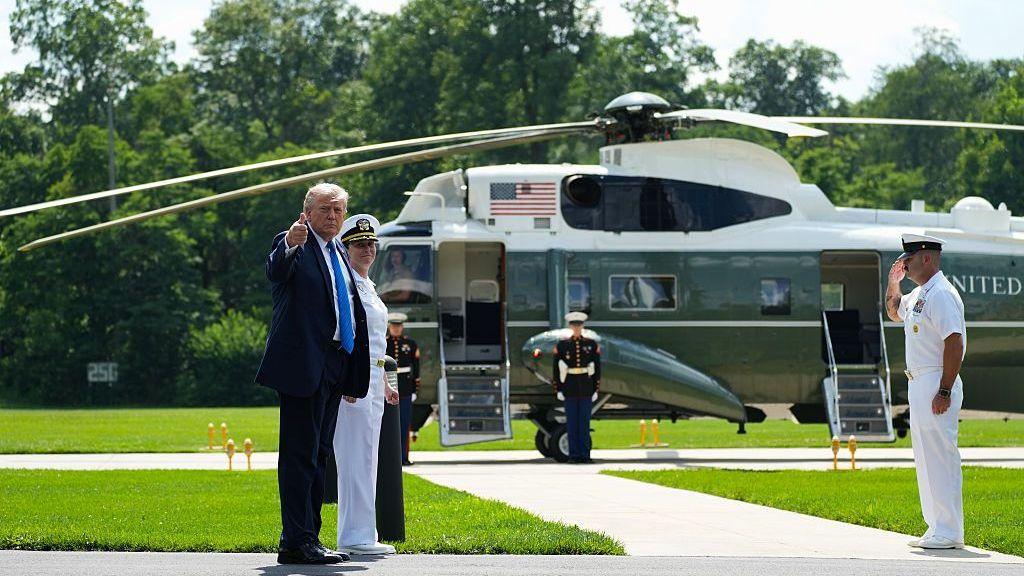
President Donald Trump has indicated there may be issues with Netflix's proposed acquisition, citing potential competition concerns.
The hostile bid from Paramount, a smaller player than Netflix, marks the latest development in an ongoing saga regarding the acquisition of Warner Bros. Earlier this year, Warner Bros opened a bidding process after Paramount started showing interest.
Warner Bros recently declared Netflix the winner of its bidding auction, announcing a deal valuing its studio and streaming networks, including HBO, at about $83 billion, debts included.
Paramount's offer values Warner Bros at $108.4 billion, claiming it is a more beneficial arrangement for stakeholders.
In interviews, Mr. Ellison has expressed concerns regarding the excessive power a Netflix acquisition would grant and the implications for Hollywood.
Both Paramount's and Netflix's proposals are expected to undergo scrutiny from regulatory bodies, addressing concerns about competition and market control.
Following news of Paramount's bid, shares of Warner Bros rose over 6%, while Paramount's stock also saw gains. Conversely, Netflix shares dropped more than 3%.
Analysts noted that while Netflix is the leading streaming service with around 300 million subscribers, its potential acquisition of Warner Bros could raise competition issues, particularly concerning access to Warner's extensive content library.
Ultimately, stakeholders are keenly observing how this acquisition battle unfolds, understanding its implications for the balance of power in the media industry.