In brief
The Los Angeles courtroom that once heard the fate of a hip‑hop icon has finally closed its case. After 34 years, Duane "Keffe D" Davis was declared guilty of murdering Tupac Shakur, a verdict that unraveled in a crowd of tens of thousands of viewers. BBC presenter Anoushka Mutanda‑Dougherty gives listeners a vivid glimpse of the courtroom’s charged atmosphere as the judge announced the decision. The case also revisits the years of debate over the crime’s circumstances and the trial’s legacy in the music world. This article offers a balanced look at the proceedings, reactions, and what lies ahead for the families involved.
For more than three decades the beating heart of the Los Angeles judicial system kept its silence, waiting for the final sentence in a case that had captured the nation’s imagination. In a hearing that lasted just two hours, the jury found Duane "Keffe D" Davis guilty of murdering the celebrated rapper Tupac Shakur.
The Courtroom’s Atmosphere
BBC’s Anoushka Mutanda‑Dougherty recalls the sheer intensity that filled the courtroom as the judge began to read the verdict. The room held a hush that was punctuated by the occasional sigh of the jurors, all the while the reporters and security staff maintained an uneasy calm. Behind the black screen that displayed the sentence, thousands of people watched live as the paradox of fame, tragedy, and justice converged.
Background on the Case
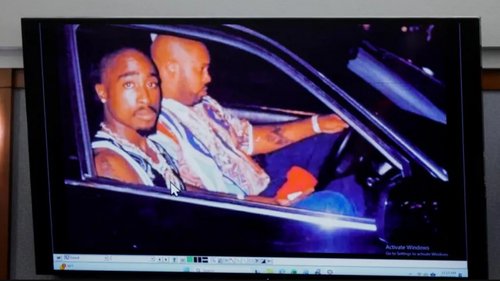
In 1996, Tupac Shakur was shot in a Las Vegas hotel, a crime that would prove both violent and highly publicized. The investigation identified Duane Davis as the suspect, but it has long been surrounded by debate over the evidence and the motive. The 2026 verdict finally closed that chapter, after forty years of speculation.
Reactions and Future Steps
Officials on both sides raised their hands in gestures that ranged from relief to skepticism. Families of the victim and those of the accused weighed in with public statements, hopeful that the conviction would bring closure. The judge’s statement indicated that the sentence would be handed down after the hearing, concluding a courtroom saga that had spanned a generation.
For those following the story from the beginning, the verdict is a relief that the trial’s most serious allegations have been settled. For the broader public, it serves as a reminder that even in an era dominated by digital media, the slow gears of justice still turn, often taking decades to settle.