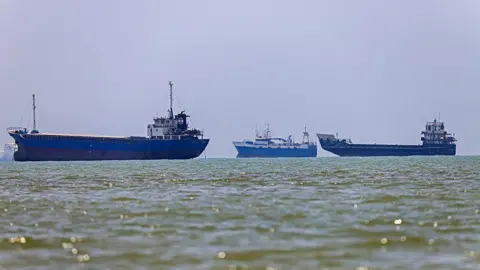
Iran Re‑Closes Strait of Hormuz Amid Israel‑Lebanon Tensions
The Iranian armed forces announced today that it had shut down the Strait of Hormuz in response to Israel’s continued attacks on southern Lebanon, arguing that the strikes violated Iran’s agreement with the United States to halt all military operations in the region.
The dispute stems from a 14‑point memorandum of understanding signed by U.S. and Iranian officials that calls for an immediate and permanent cessation of hostilities “on all fronts, including in Lebanon.” Iran says the United States has not yet implemented this first clause, citing the ongoing air campaign against the Lebanese enclave as evidence of the U.S. side’s non‑compliance.
U.S. Central Command, however, confirmed that “safe passage through the Strait of Hormuz remains intact,” noting that 55 merchant vessels transited the channel the previous Saturday. The exact timing of this traffic relative to Tehran’s announcement remains unclear.
Israeli officials have denied plans to withdraw their forces from Lebanon and emphasized that the conflict with Hezbollah — the Iranian‑backed militia— is separate from the broader Iran war. Despite a ceasefire that entered into force at 16:00 local time, Israeli airstrikes resumed over the next day, reportedly striking a family in Barich and hitting dozens of Hezbollah targets.
Washington has criticised Israel’s continued operations in Lebanon, warning that escalating tensions could jeopardise the nascent peace framework previously brokered between the U.S. and Iran. Vice‑President John D. Vance indicated an upcoming trip to Switzerland for talks with Iranian leaders, a move that could further test the resilience of the agreement.
Iranian Foreign Ministry spokesman Esmail Baghaei said Tehran’s presence in the Swiss talks will be aimed at demanding the other side fulfil its commitments. The Strait of Hormuz was first closed by Iran after the U.S. and Israel struck Iranian naval assets on 28 February, shaking global energy markets.
The Strait remains one of the world’s most important maritime corridors, accommodating the transit of the largest oil tankers and liquefied natural gas vessels. In 2025, roughly 20 million barrels of oil and related products passed through the channel daily, translating into about $600 billion of energy trade annually. Any further disruptions could therefore reverberate across global markets and international relations.
© 2026 Neutralecho.com – Non‑partisan reporting on global news. All rights reserved.