The Irish Government has confirmed that a fuel support package is being finalized after a day of what they described as constructive engagement with representatives of the haulage and farming sectors.
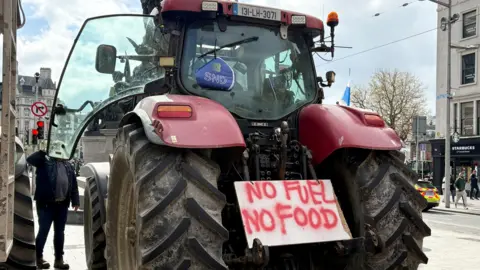
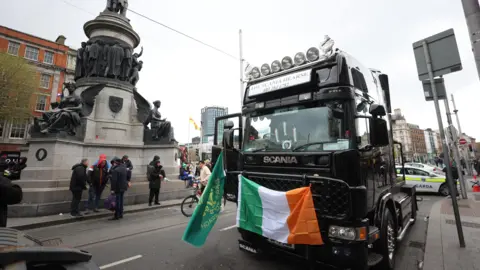
The move came as travel across parts of the Republic of Ireland was affected for the fourth day in a row as slow-moving convoys made up of vehicles, including tractors, blocked roads in protest against high fuel prices caused by the US-Israeli war against Iran.
Irish ministers had said earlier on Friday that no further package of support measures would be announced until fuel protesters ended their blockades around the country.
Meetings between Irish ministers and stakeholders are expected to continue over the weekend.
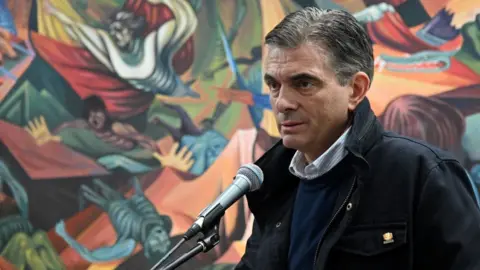
Tánaiste (Irish deputy prime minister) and Finance Minister Simon Harris said that there will be a substantial and significant package of support for key sectors of the economy.
Speaking to Irish broadcaster RTÉ, Harris said the talks were going well, adding that further intensive engagement into the weekend was likely.
However, he added: The blockade has to end.
Earlier, Taoiseach (Irish prime minister) Micheál Martin said that the blockades mean the country is on the precipice of turning oil away from the country amidst a global oil supply crisis.
There were long queues on the M1, heading towards the border with Northern Ireland, due to protesters closing the motorway at Dundalk, with vehicles blocking both lanes at the Carlingford turnoff, RTÉ reported.
The National Emergency Coordination Group (NECG), which brings together government departments and state agencies to coordinate emergency response, said fuel supplies for emergency response vehicles, including the ambulance service and fire service, are under increasing pressure.
In a statement, they said: These vehicles rely on retail fuel forecourts for their fuel supply through the use of fuel cards.
Following a meeting on Friday, the Irish ministers for health issued a joint statement saying that the serious risks to patient safety caused by the blockade of fuel supplies are completely unacceptable.
It went on to call on the protesters to reflect on their actions and cease the restriction of access to critical fuel infrastructure immediately.
Kildare farmer John Dallon said the protests could continue for maybe for another week, maybe two weeks. If it takes a month, we are prepared to sit here.
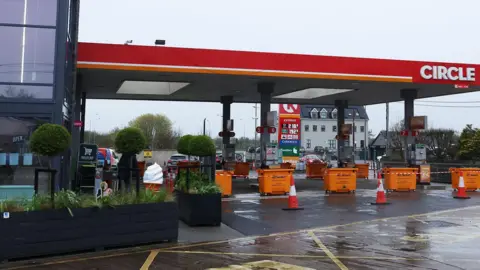
Mary Burke told the Evening Extra programme that the service station she manages received a supply of petrol and diesel on Thursday. The supply, which she said would typically last the Raceside Service Station four to five working days, had ran out within seven hours.
A second supply was delivered to the County Tipperary station on Friday, but a €30 (£26) cap was implemented for customers.
The Chief Executive of Home and Community Care Ireland said many of their staff who rely on cars to travel between home care appointments are struggling to access fuel supplies.
Joseph Musgrave said he is being flooded with reports from staff particularly around the mid-west, but also up as far as Donegal, Cork, Kerry, Waterford, Tipperary.
The Irish Minister for Justice, Jim O'Callaghan, said there would be legal consequences for some protests, stating that people have licenses to drive vehicles, and those licenses will be affected.
The conflict in the Middle East has caused rapid price rises for both petrol and diesel, with diesel in the Republic of Ireland rising from about €1.70 (£1.48) a liter to €2.17 (£1.89) in recent weeks. This has prompted protests from farmers and others affected by these hikes.