Overview of Ireland's Eurovision Boycott
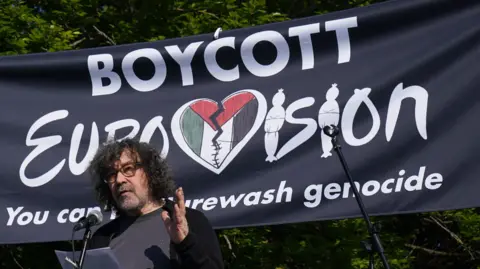
Ireland has a prestigious history in the Eurovision Song Contest, holding the joint record for the most wins alongside Sweden. This year, however, the country will not participate in the contest due to a boycott along with four other countries — Iceland, the Netherlands, Slovenia, and Spain. The decision stems from the European Broadcasting Union's (EBU) choice to allow Israel to compete amid heightened tensions following the recent conflict in Gaza.
Reasons Behind the Boycott
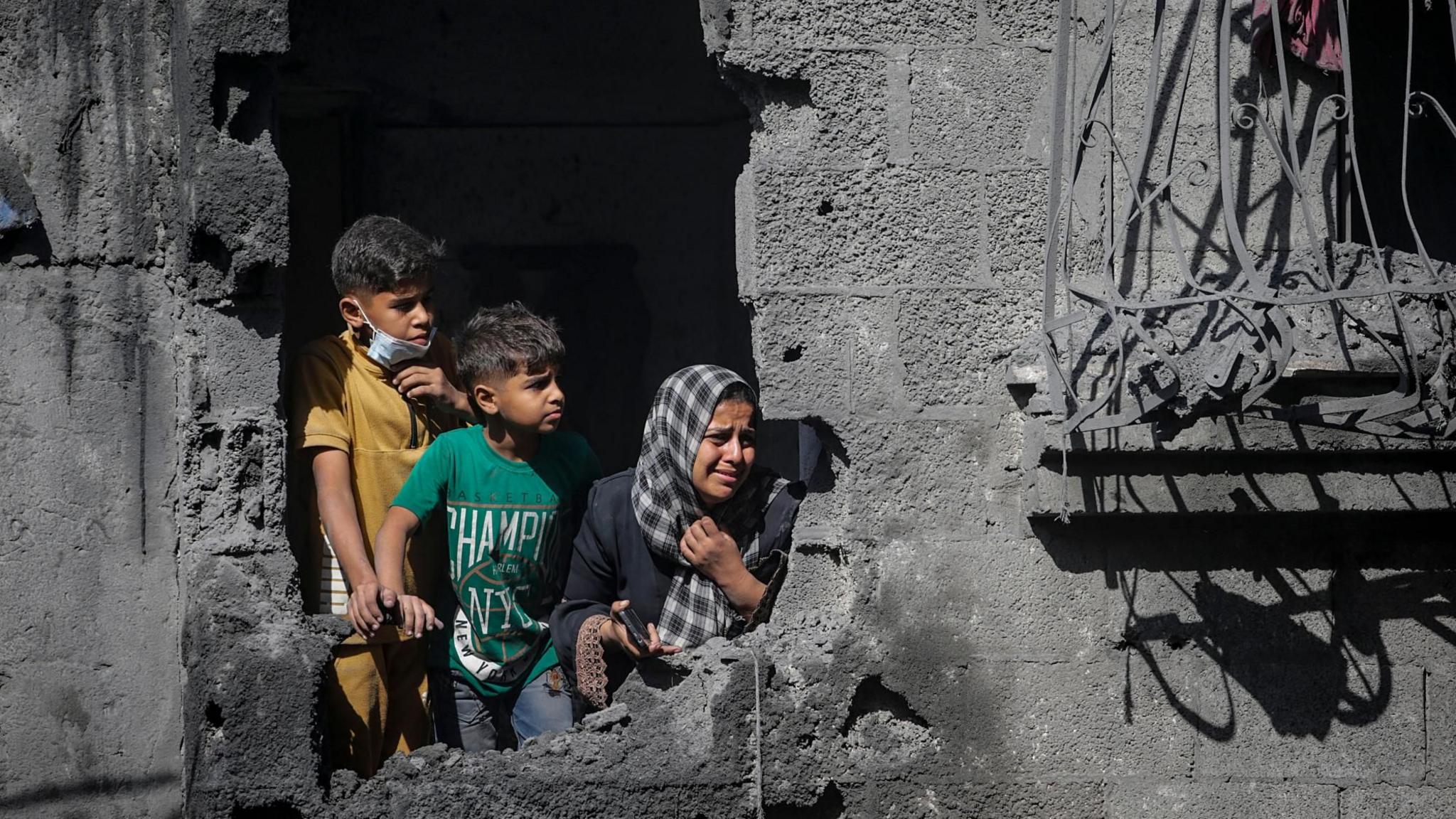
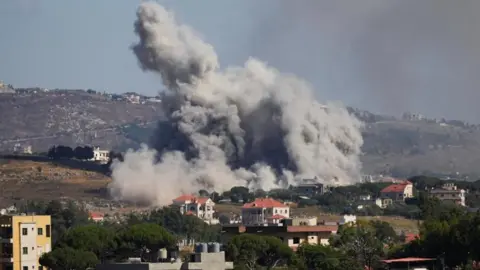
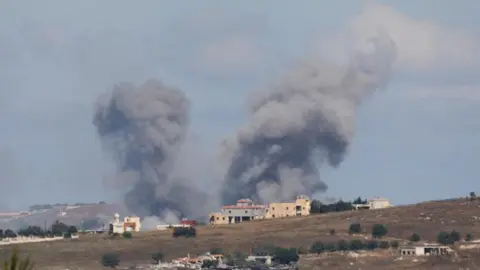
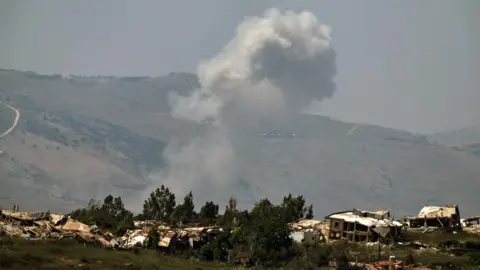
Ireland's national broadcaster RTÉ announced the boycott, highlighting its stance against the Israeli government's actions during the war in Gaza, which has led to significant casualties among civilians. The broadcaster expressed that participating in Eurovision would be "unconscionable" given the humanitarian crisis. This move is seen as part of a wider stance in Ireland supporting Palestinian rights and reflecting its position as one of the most pro-Palestinian nations in Europe.
Impact of the Boycott
The absence of an Irish entrant in the Eurovision contest is emblematic of political currents in Ireland, which have increasingly condemned Israel's operations in Gaza. The conflict witnessed a marked increase in casualties and a public outcry regarding humanitarian issues, positioning Ireland’s withdrawal as a significant political statement.
Responses from the Community
Public reactions vary. While many young people in Dublin have shown support for the boycott, the Jewish community has expressed concern regarding the implications of a cultural boycott. Prominent community members have voiced their discontent, arguing that such decisions often lead to feelings of isolation within the Jewish population of Ireland.
Conclusion
As Ireland steps back from this year's Eurovision Song Contest, the implications of this decision reverberate through political, cultural, and social channels, and continue to shape public opinion on how nations express solidarity in the context of international crises.