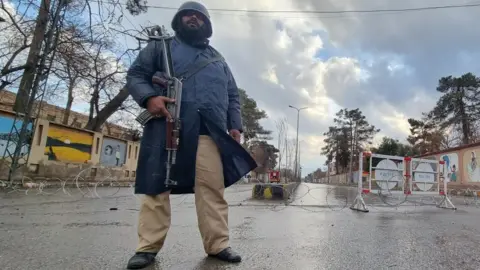
The serenity of a late afternoon on the Moei River that divides Thailand from Myanmar is broken by three thunderous explosions. The ethnic Karen families bathing and playing in the water make a panicked dash for the river bank, as a plume of dark smoke rises from the trees behind them.
The conflict ignited by the Myanmar military's coup nearly five years ago has come back to the border. But the fighting this time is linked to scam compounds, run by Chinese crime syndicates, which have proliferated in Karen State in the past two years.
We are working to completely eradicate online scam activities from their roots, the Myanmar junta's spokesman Gen Zaw Min Tun said. But there are good reasons for scepticism about the military's claims. Now, for the first time, Myanmar's long civil war and its scam crisis are entwined.
After losing control of large areas of the country to insurgent groups, this year the military junta has counter-attacked, reinforced by new conscripts and advanced equipment like drones supplied by Russia and China. In Karen State, it has driven back the forces of its main opponent, the Karen National Union, which has been one of the strongest allies against the coup.
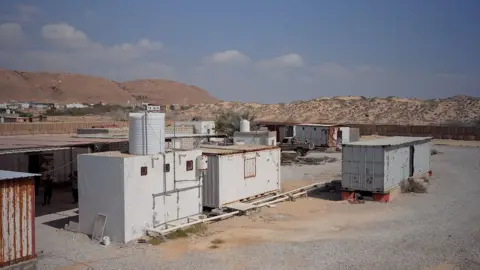
Suddenly, at the end of October, the army stormed KK Park, one of the largest and most notorious scam compounds, driving out thousands of foreigners running online fraud schemes. The army posted videos of soldiers confiscating thousands of mobile phones, computers, and satellite dishes from Elon Musk's Starlink service before demolishing buildings with explosives.
This was a striking change of heart. For years, Myanmar's military rulers turned a blind eye to the multi-billion dollar scam business expanding rapidly along its border with Thailand, often benefiting from local warlords who acted as protectors of the scam bosses.
Billions of dollars have been lost globally by victims of these scams, with deep ties to human trafficking and extensive human rights abuses. Growing international concern has led to collaboration among law enforcement agencies to combat this scourge.
However, while the military's actions in KK Park seem promising, they have not dismantled the infrastructure for scamming. Many organizations remain intact, and the military's raids appear selectively focused.
As scam workers fleeing KK Park and Shwe Kokko seek refuge in Thailand, reports indicate that many may fear returning to China due to potential repercussions. The future of known scam hubs, and whether they're genuinely being closed down, remains uncertain.
Ultimately, the military's actions seem to coincide with its plans to project legitimacy ahead of a controversial election. By reclaiming territory and combating scams, they aim to gain favor domestically and internationally, particularly with China as a crucial ally.
Though the current operations are dramatic, lasting change in Myanmar's scam landscape is still questionable amid ongoing turmoil in the region.