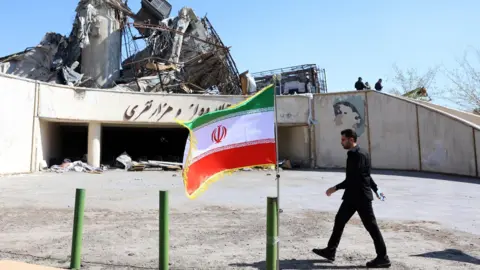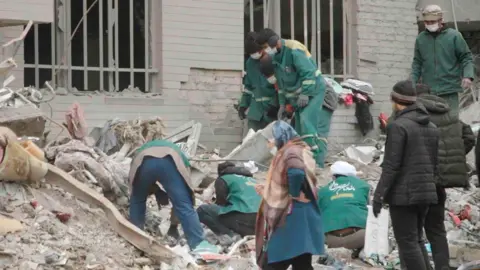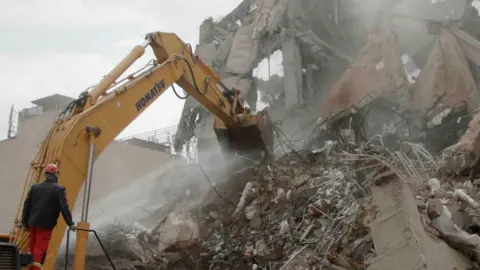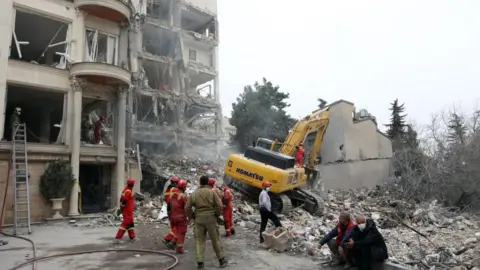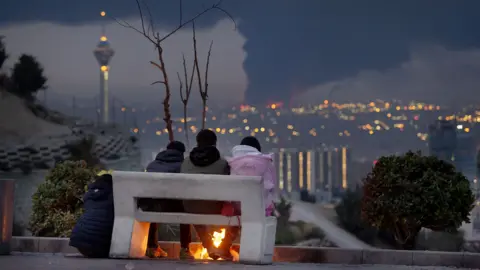
On 7 June, Israeli planes struck Iranian targets in Tehran for the first time since a ceasefire in April, after Iran launched missiles at Israel.
The exchange followed Israeli air attacks on parts of Beirut, a city defended by the Iranian‑backed Hezbollah group. Iran said it was retaliating for those attacks, though the strike was also framed as a move to link the U.S.–Iran nuclear deal to a separate ceasefire with Hezbollah.
The timing was significant. President Donald Trump hinted that a new Iranian–Israeli strike would undermine efforts to negotiate a nuclear deal with Tehran. However, the brief statement was followed by reports that Israel had coordinated flights with U.S. Central Command, suggesting that Washington’s approval for the retaliation had been limited and tacit.
Analysts note that the flare‑up shows two separate trends. First, Tehran is using military action to reinforce its position against the United States and to maintain leverage over negotiations at the U.N. sanctions table. Second, the incident demonstrates the regional fragility that can amplify responses across the Middle East, with possible ripple effects in Lebanon and the wider Gulf region.
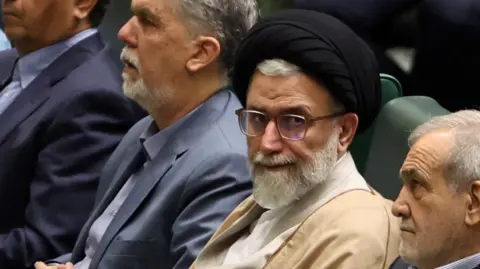
In Tehran, the strike was portrayed as evidence of “diplomacy and defence” working in tandem. President Masoud Pezeshkian claimed that the attacks had strengthened Iran’s negotiating stance, arguing that tangible outcomes such as sanctions relief and a pause in Israeli strikes against Hezbollah were still required.
The U.S. response has been measured. Trump stated that a deal was “very close” and that an immediate opening of the Strait of Hormuz would follow if the negotiations succeeded. Yet he also declined to offer sanctions relief or to unfreeze Iranian assets, a stance that many observers see as a tactical footnote in a larger bargaining strategy.
With the U.S. military presence in the region at its largest level since the Iraq war, the balance between diplomatic dialogue and potential conflict remains precarious. While the U.S. has sought to restrain both Tehran and Israel, the recent skirmish illustrates the difficult choreography required to keep the region from spiraling into open warfare.
Ultimately, the confrontation was read by many observers as an intentional test of U.S. restraint—a move that could, if handled correctly, give Iran leverage in future talks but could also risk destabilising a volatile theatre of geopolitical contention.