Global Dynamics of the Iran Conflict: Analyzing Winners and Losers
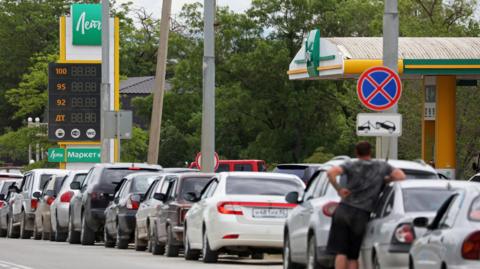
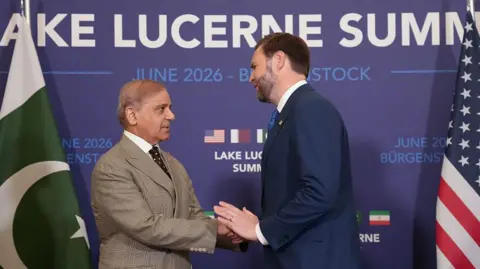
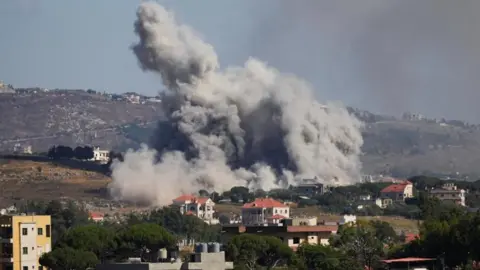
The ongoing conflict in Iran significantly reshapes global economic landscapes, with varying impacts felt across nations. From soaring heating oil bills for homes in Yorkshire to consequential policy shifts in Pakistan, the financial fallout from the war in the Middle East is already being keenly felt.
It is increasingly clear that the impact of Tehran's actions, intended to trigger economic disruption, may not be fleeting and could lead to longer-term consequences that are unevenly distributed. While many are being hard hit, there are also nations that appear to be benefitting.
Winners: Norway, Canada, and Russia
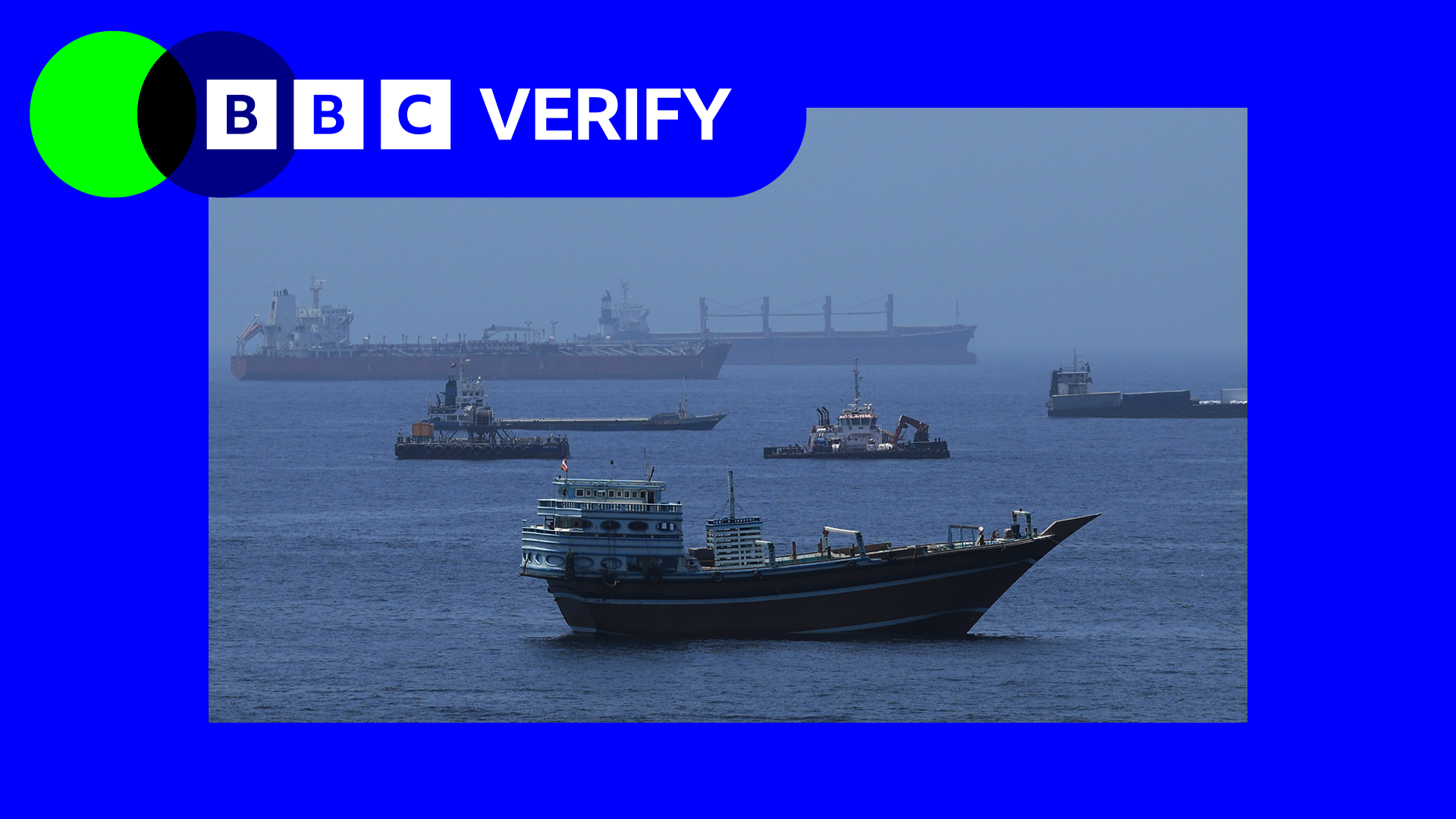
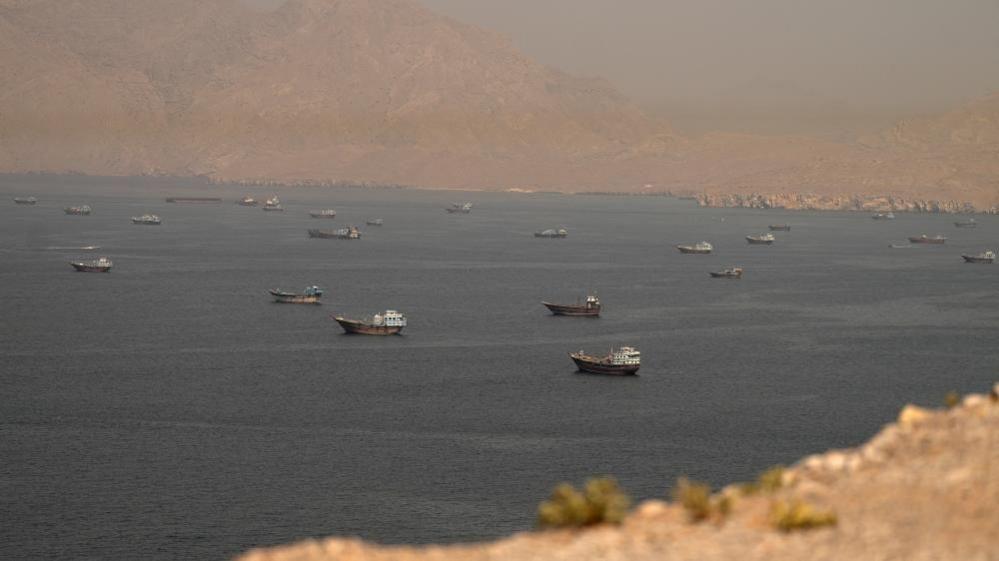
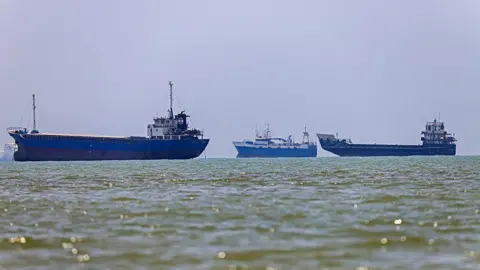
The reliance on oil and gas continues, making crude oil invaluable as prices rise. This isn't a typical oil price shock; the Middle East remains at the heart of the global supply chain, and disruptions are hitting Gulf producers like Qatar and Saudi Arabia.
Countries such as Norway and Canada are well-positioned to gain from shifting demands as customers seek alternative energy sources. Following the reduction of reliance on Russian gas post-Ukraine invasion, Norway ramped up production, while Canada's representation focuses on its stable energy production capabilities, raising questions about output capacity.
Moreover, Russia stands as a significant beneficiary, with increased crude oil sales to India, potentially earning an additional $5 billion by March 2026 as it capitalizes on relaxed global supply restrictions.
Losers: US, UK, and Europe
In stark contrast, the economic consequences for the US are complex. Amid increasing profits for American oil producers, the domestic population remains vulnerable to price fluctuations. Major companies, including ExxonMobil, face operational disruptions due to attacks on their facilities, exacerbating these vulnerabilities.
For European nations, reliance on imported gas poses substantial risks to growth with potential inflation upticks impacting consumers directly. The energy efficiency improvements made over the years provide some temperance, but the continent still exposes itself to vulnerabilities due to fossil fuel dependency.
In Asia, where countries like South Korea rely on Middle Eastern crude, disruptions could significantly impact critical industries like chip manufacturing.
Looking ahead, the geopolitical consequences of the war in Iran and the responses by affected nations will further define the landscape of global energy and economic health, which promises significant complexities as the situation evolves.