Israel is to revoke the licences of 37 international non-governmental organisations (INGOs) working in Gaza and the occupied West Bank, citing non-compliance with new registration rules. Prominent agencies like ActionAid, International Rescue Committee, Médecins Sans Frontières, and Norwegian Refugee Council are among those whose operations will cease within 60 days starting January 1. Israel has stated these organisations failed to submit complete personal details of their staff, raising concerns over their safety.
This decision has garnered widespread condemnation, with the foreign ministers from ten countries—including the UK, France, and Canada—joining a joint statement emphasizing that INGOs are vital for humanitarian operations in Gaza. They warned that restricting their efforts is unacceptable and would impede the scale of assistance required to meet urgent needs in the region.
The European Union's humanitarian chief criticized the plans, asserting they equate to blocking life-saving aid and calling for compliance with international humanitarian law, which grants that aid should reach those in need.
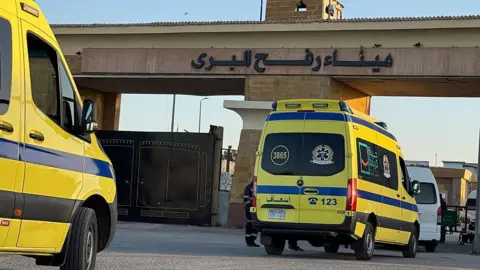
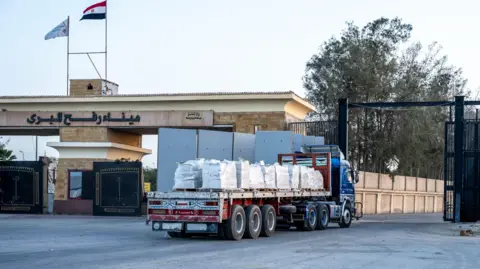
Despite this, Israel’s ministry of diaspora affairs claims the decision will not affect humanitarian assistance flow, citing deliveries through approved and vetted channels. Cogat, the Israeli military body responsible for aid coordination, stated that the INGOs slated for suspension had not contributed significant aid during the ongoing ceasefire.
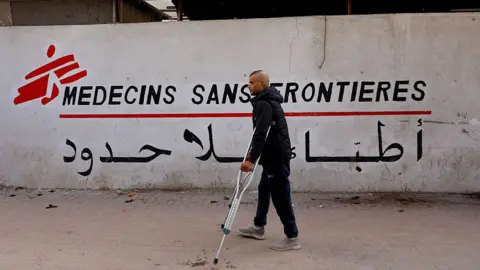
Israel justifies its actions by alleging certain INGOs have links to terrorist organizations, a claim these NGOs vehemently deny, asserting such allegations are unfounded. Médecins Sans Frontières highlighted the critical role it plays in Gaza, supporting nearly 20% of hospital beds, warning that deregistration would severely limit their ability to provide essential medical services.
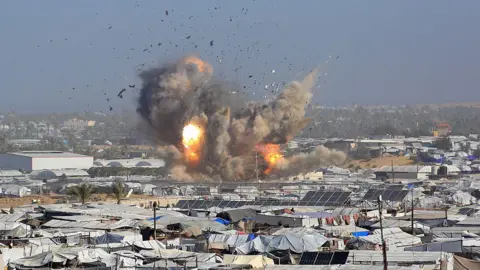
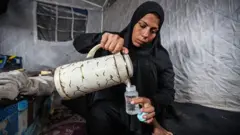
This situation follows a complex humanitarian landscape within Gaza, highlighted by recent reports of significant needs among the population, with 100,000 residents still facing catastrophic conditions despite some improvements in food security since the ceasefire. The international community continues to urge Israel to reconsider its position, citing the danger such actions pose to health and humanitarian operations in one of the world's most challenging settings.