Jakarta Students Protest Over Free Meals Program and Rising Fuel Costs
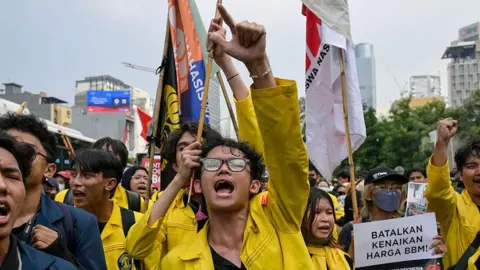
Hundreds of students gathered at Jakarta’s iconic Hotel Indonesia roundabout on Friday to voice their frustration with President Prabowo Subianto’s free meals scheme and the recent hike in fuel prices, arguing that both policies could lead to a “bankrupt” economy. The protest, captured on video as students attempted to breach a police barricade, reflects mounting domestic dissatisfaction amid a weakening rupiah.
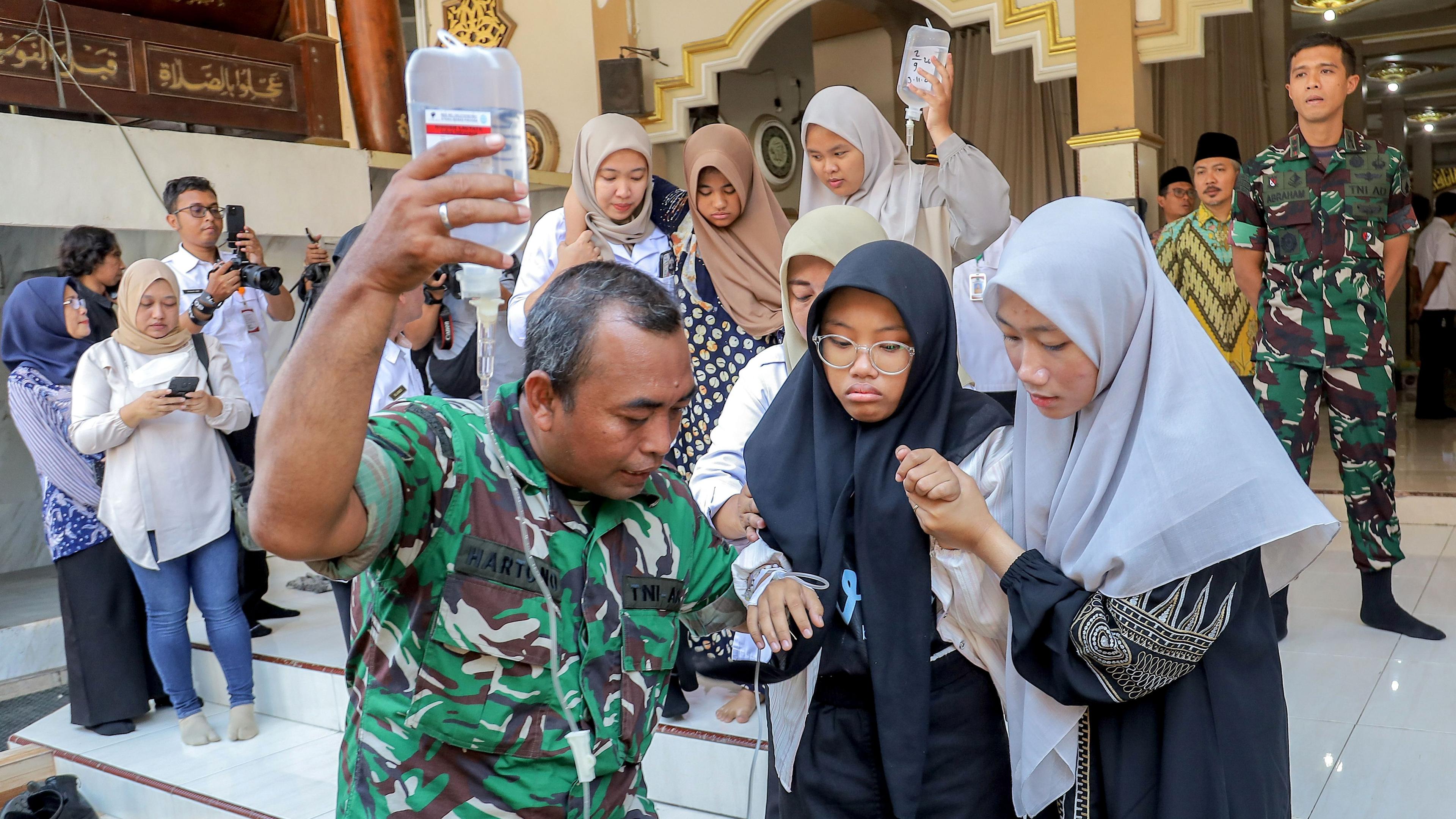
The Free Meals program, part of Prabowo’s 2024 campaign, promises $28 billion in student meals to help combat child malnutrition and improve learning outcomes. Critics, including university student Rina, say the initiative has been plagued by mass food poisonings and corruption, with the government’s recent dismissal of the agency head adding to the controversy. Opponents also point to the program’s heavy fiscal load, arguing it risks national debt and productivity.
In parallel, Pertamina raised the price of Pertamax fuel by over 30%, jolting a middle‑class reliant on affordable energy. Students like Zaki shouted that the hike strains families, citing “our lives are getting harder.” Protests were marked with the hashtag #MenujuIndonesiaBangkrut, underscoring fears that reckless spending threatens Indonesia’s future stability.
While the government frames the Free Meals initiative as an investment in human capital, critics stress the high cost and lack of transparency. According to a government press release, the programme may be on track to improve malnutrition rates, but the evidence remains unequally balanced. Analysts argue that short‑term political gains should not override long‑term fiscal prudence.
The protest follows the 2023‑2024 anti‑government demonstrations that began with a delivery driver’s death, a catalyst for widespread civil unrest and calls for accountability. Until the morning after the protest, no injuries were reported, but the clash highlighted frustration among the burgeoning youth population. The event signals a broader conversation on policy priorities and economic resilience in Indonesia's rapidly evolving democracy.
Related: Last August’s violent anti‑government protests – exploring similar themes of public protest and governmental response.