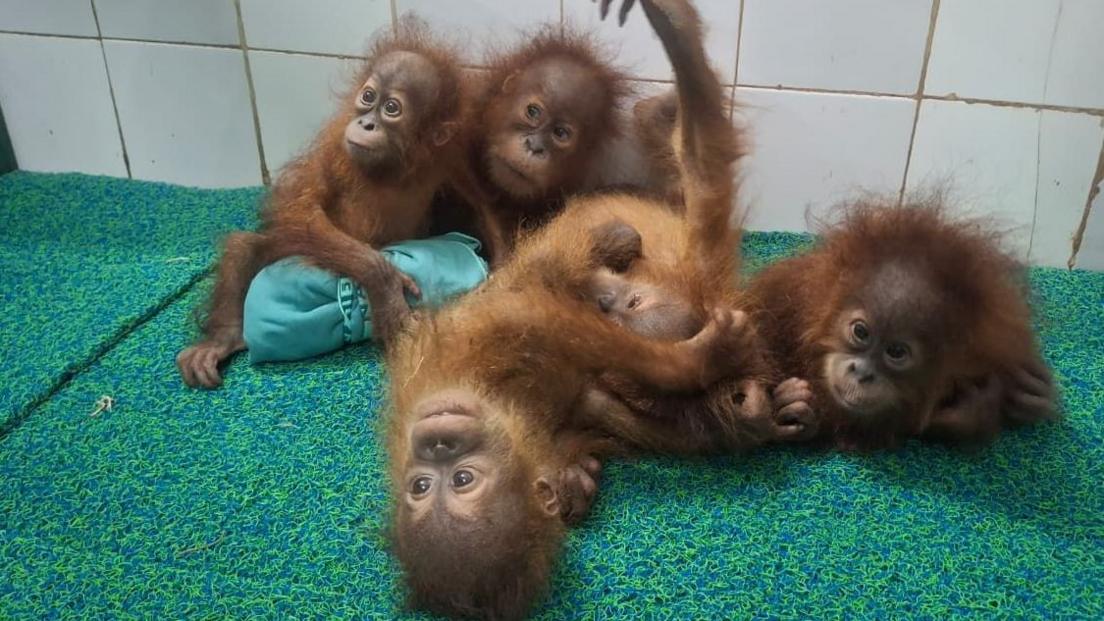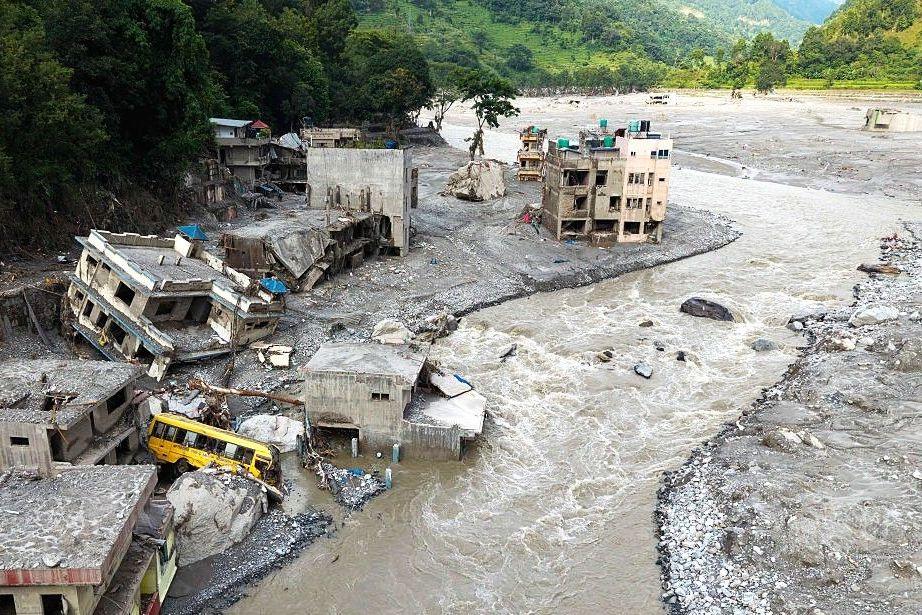
Four days of extreme rainfall and landslides struck the Indonesian island of Sumatra, decimating the already vulnerable Tapanuli orangutan population, according to a study published in the journal Current Biology.
The researchers estimate that 58 of less than 800 critically endangered orangutans—about 7% of the total—were lost to the storm in late November. These are conservative figures that do not yet account for canopy damage or reduced food availability caused by the floods.
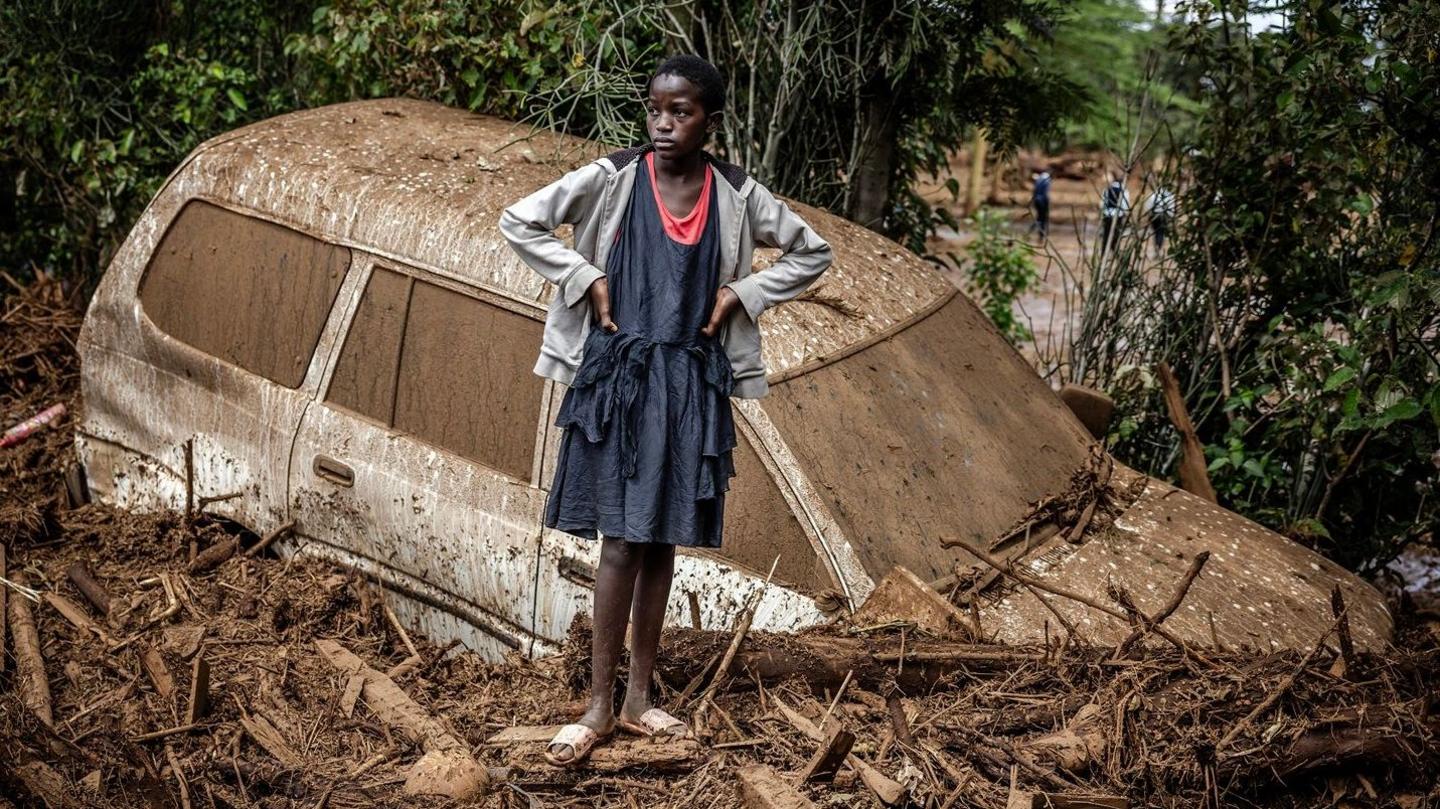
Cyclone Senyar, the latest in a series of powerful storms, was responsible for more than 1,000 deaths across Southeast Asia. In Sumatra, the cyclone’s ferocious rains triggered widespread landslides, washing away forest fragments and trapping animals—including the rare apes—in mud and debris.
Eyewitness reports from humanitarian teams found a semi‑buried orangutan carcass in Pulo Pakkat village, indicating that the animal was struck by the storm’s force. Scientists note that even highly mobile orangutans cannot escape the massive swaths of collapsed forest.

The study authors highlighted that Cyclone Senyar was an anomalous event, yet climate change amplified its impact. They warn that the frequency and intensity of such extreme rainfall are likely to rise, posing a direct threat to orangutans and their habitat.
The Tapanuli orangutan, discovered only in 2017, faces extinction if it loses more than 1% of its population annually. With the recent loss, conservationists fear irreversible damage.
In response, the Indonesian government temporarily halted major developments in the Batang Toru area—one of Sumatra’s protected forests—capping mining, oil palm, and hydropower projects. This pause gives scientists a window to reassess ecological risks more thoroughly.
The report stresses that protecting these apes requires a coordinated response: strengthened domestic protection, climate‑responsive planning, and international financial and technical assistance. Without such measures, the species risks becoming the first modern great ape to go extinct.