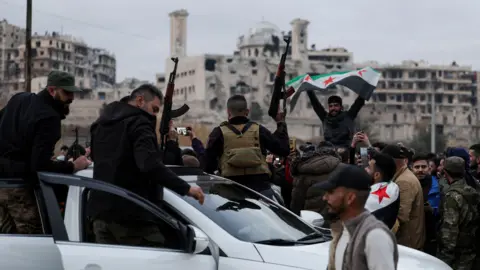
The final Kurdish fighters have withdrawn from the Syrian city of Aleppo, following the announcement of a ceasefire deal in the early hours of Sunday morning. Mazloum Abdi, leader of the Kurdish-led Syrian Democratic Forces (SDF), confirmed an agreement facilitated by international mediators that allowed for the safe evacuation of 'martyrs, the wounded, the trapped civilians, and the fighters' from the city.
Buses transporting the remaining members of the SDF were seen leaving the Kurdish-majority neighborhood of Sheikh Maqsoud, as reported by local media. The latest violence in Aleppo erupted earlier this week after negotiations aimed at integrating Kurdish groups into Syria's new government stalled.
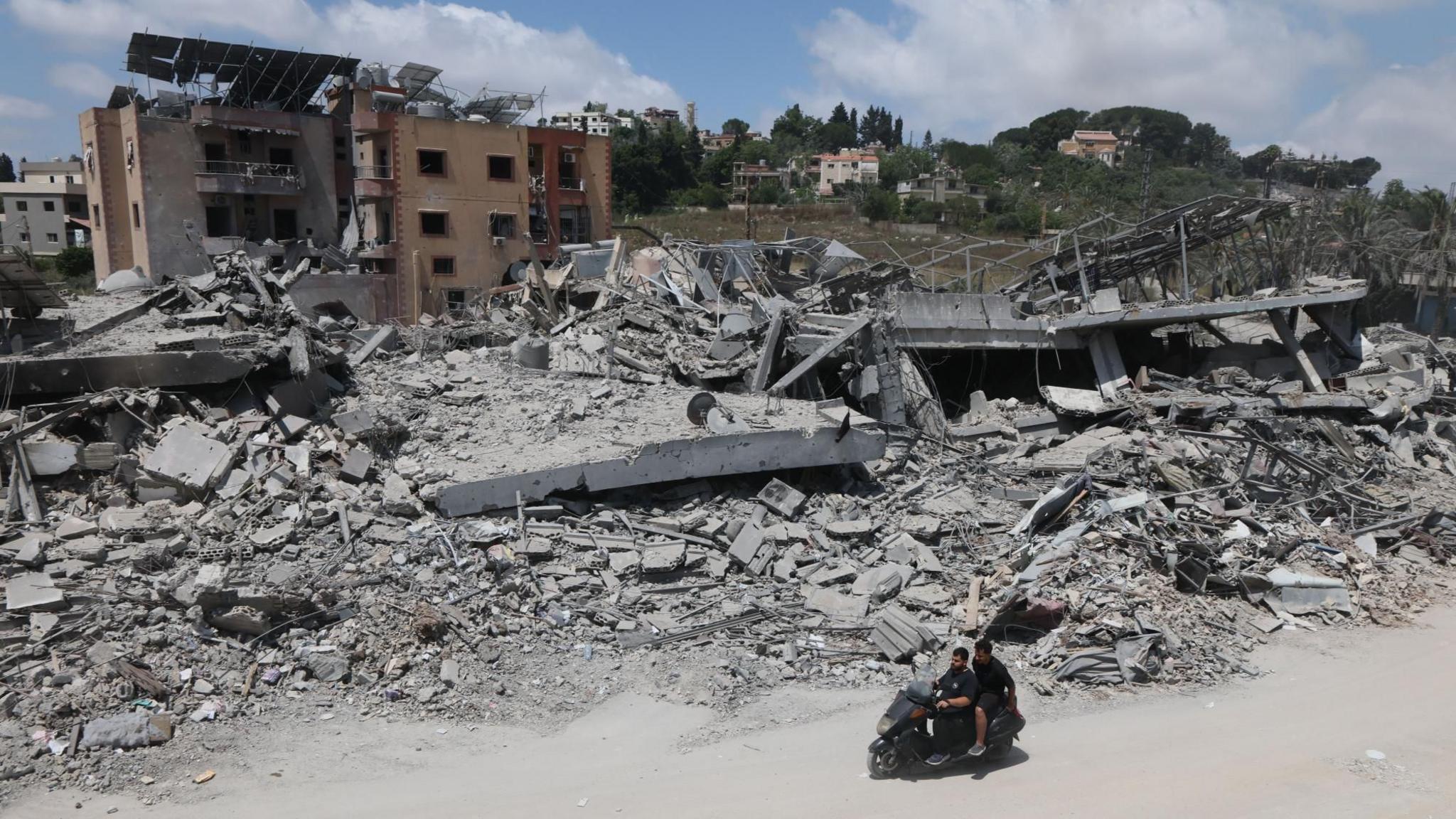
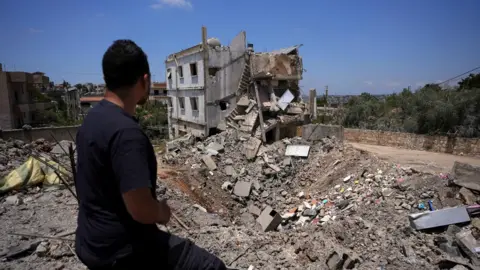
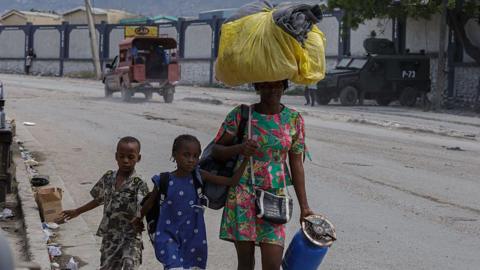
During the recent clashes, at least 12 individuals lost their lives, and tens of thousands of civilians were displaced, resulting in their exodus from Sheikh Maqsoud and the nearby Ashrafieh neighborhood. The Syrian military had shelled these areas after classifying them as 'closed military zones,' allegedly due to attacks from armed groups.
Despite a ceasefire being implemented earlier in the week, Kurdish forces initially resisted leaving their last stronghold. The SDF characterized the assault on the neighborhoods as a 'criminal attempt' at forced displacement.
In March 2025, the SDF, controlling much of Syria's northeast, signed an agreement to consolidate military and civilian administrations within the Syrian state. However, both sides have since accused each other of undermining subsequent negotiations, resulting in the current stalemate.
The new ceasefire agreement was brokered with the involvement of the United States and other global powers, as their concerns about potential Turkish military involvement heightened. Turkey supports the Syrian government and views the Kurdish militia dominant in the SDF as a terrorist entity.
Tom Barrack, the U.S. ambassador to Turkey and special envoy to Syria, emphasized the need for all parties to 'exercise maximum restraint, immediately cease hostilities, and return to dialogue' in alignment with the terms agreed upon in March. He also endorsed Syria's 'historic transition' and expressed U.S. support for President Ahmed al-Sharaa in his efforts to stabilize the nation.