Kurdish Forces in Syria Vow to Resist Despite Government Advances
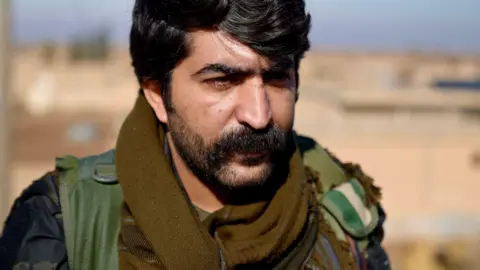
In the ongoing conflict in Syria, Kurdish forces, particularly the Syrian Democratic Forces (SDF), assert their commitment to resist advances from the Syrian government. Commander Azad, a seasoned fighter of the Kurdish forces, shared his personal battle scars and his feelings of betrayal by former allies, specifically the United States, which he claims has abandoned the Kurds after they fought together against the Islamic State (IS).
Azad expressed anger over the current situation, stating, History will hold them accountable. Morally it's not right. But we will keep fighting until our last breath. We are not cry-babies.” He emphasized the urgency of the situation as government troops have recently pushed the SDF out of critical regions they have controlled for the past decade.
The backdrop of their struggle is a fragile ceasefire, set to expire soon, amidst ongoing negotiations for a longer-term peace. However, tensions remain high as Kurdish leaders and fighters prepare to defend their autonomy against government forces aiming to consolidate control across Syria, including the Kurdish autonomous areas.
The pressures faced by the Kurdish fighters are compounded by international dynamics, with the U.S. backing the newly allied Syrian interim president Ahmed al-Sharaa, a former jihadi, raising concerns for the Kurdish forces who feel abandoned despite sacrificing thousands in the fight against IS.
Ali, another Kurdish fighter, articulated the emotional toll that loss and conflict have taken on him and his peers. With the prospect of renewed warfare on the horizon, Kurdish leaders stress their resolve to defend their rights and land, while also seeking pathways to peace. The stakes extend well beyond this local conflict, as they grapple with the potential resurgence of IS remnants held in Kurdish-run prisons.
As the international community watches, the fate of the Kurdish people and the broader implications for regional stability rest on the fragile balance between diplomacy and military readiness.