With Lebanon engulfed by war once again, the government finds itself in a vulnerable position, aiming to open discussions with Israel. President Joseph Aoun, who took office following a devastating conflict with Israel and Hezbollah, has sought to address the long-standing issue of Hezbollah’s weapons, which have long divided the country. Aoun remembers stating, 'I was born an optimist,' hoping to disarm the militia.
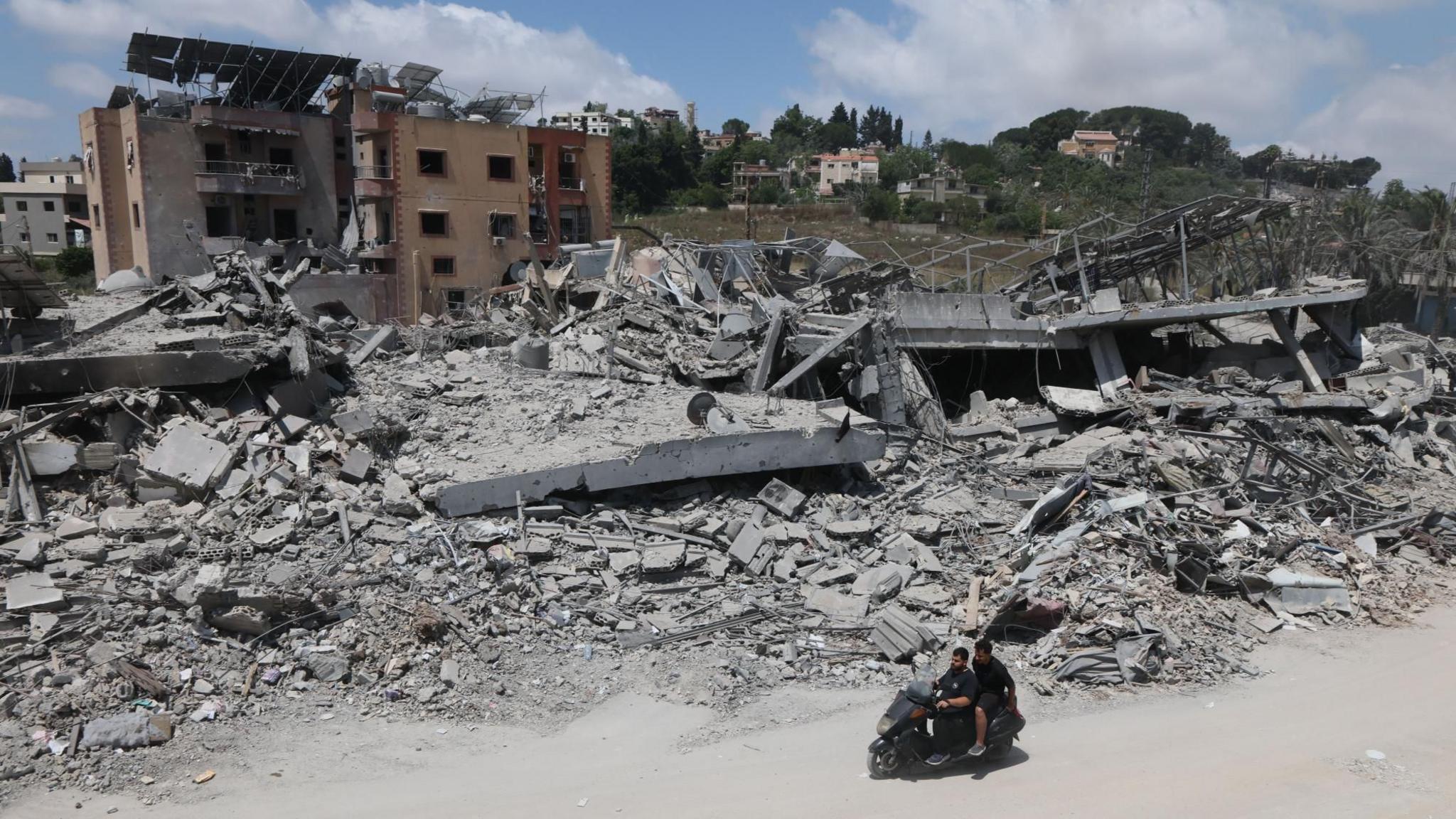
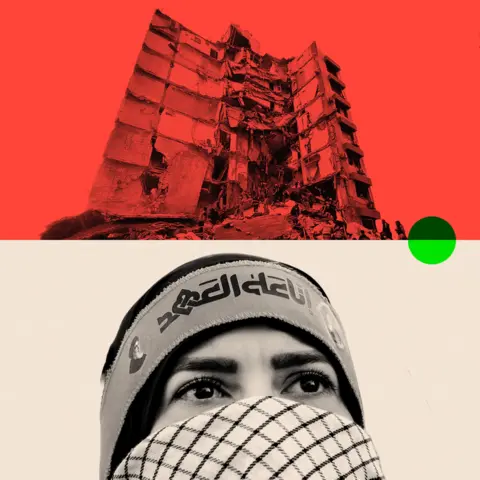
Currently, tensions remain high, exacerbated by frequent Israeli airstrikes targeting Hezbollah. Hezbollah retaliated after the killing of Iran’s Supreme Leader Ayatollah Ali Khamenei, leading to further escalations. Aoun’s proposal for direct negotiations with Israel, unusual for two nations that have not recognized each other, reflects the desperation of a country caught in a cycle of violence.
As the talks progress, a meeting between ambassadors from both countries is anticipated, with a focus on establishing a ceasefire in Washington. However, the Lebanese government’s lack of authority over Hezbollah raises concerns about the efficacy of these negotiations. There is skepticism about the chances of achieving lasting peace, especially given the complex sectarian divides that characterize Lebanon's political landscape.
Despite widespread public discontent regarding armed factions, particularly among non-Shia communities, Hezbollah remains a powerful entity. The group's backing from Iran and differentiation as a social movement that provides services complicates the disarming process.
Experts point out that without addressing the underlying sectarian fears and the soft power Hezbollah holds over the Shia community, disarmament may be unattainable. As long as Israel maintains military operations within Lebanon, the argument for retaining arms will persist among Hezbollah's followers, who view the militia as their protector.
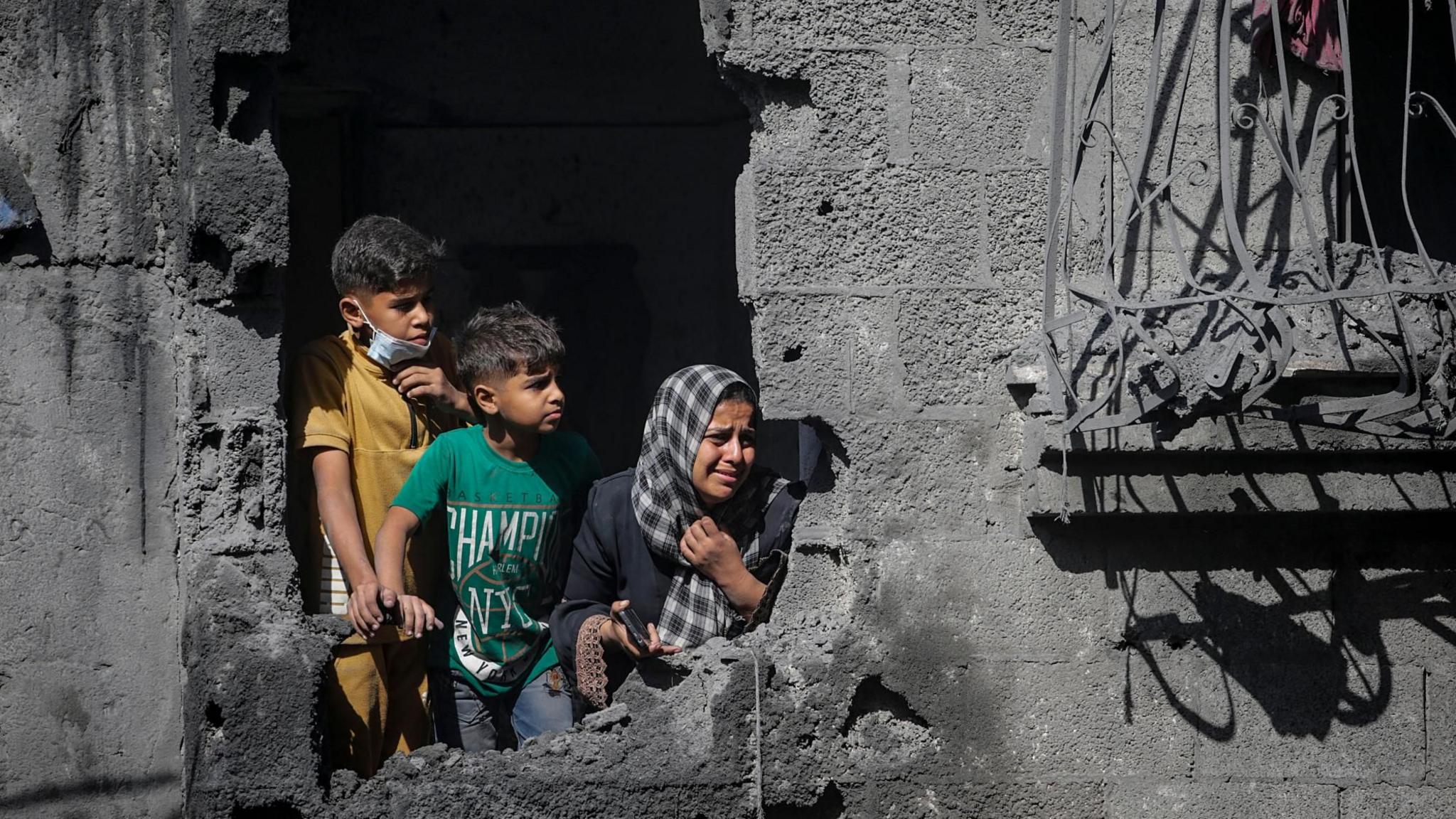
On the humanitarian front, nearly 1.2 million people have been displaced since the outbreak of conflict, amplifying social tensions and fears of a renewed civil war. With casualties exceeding 2,000, the urgency for a ceasefire grows amidst escalating violence and a deteriorating social fabric. The future remains uncertain as Lebanon strives for peace amid continuous strife.