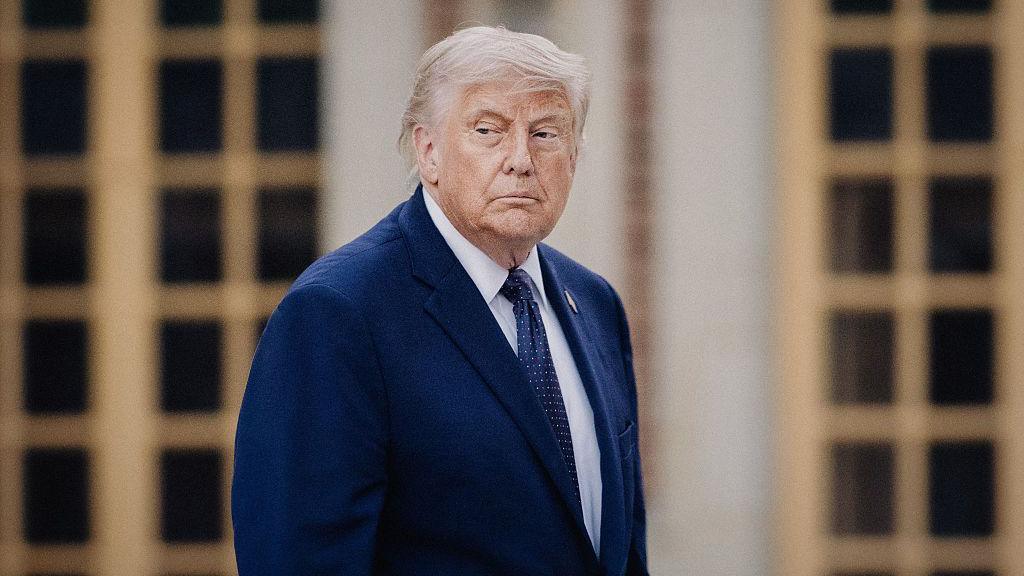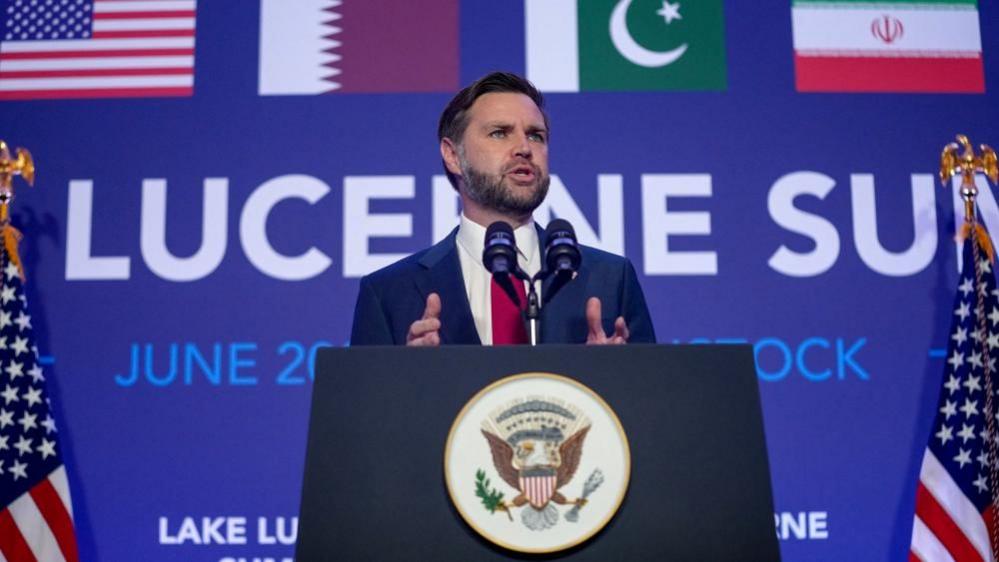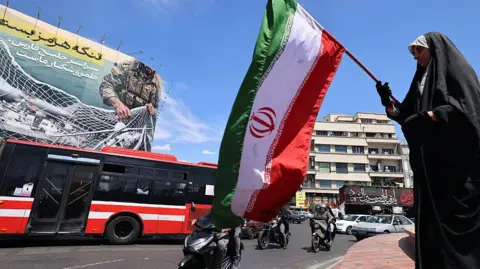
After a diplomatic team led by US Vice-President JD Vance tried and failed to reach a negotiated agreement to end the war with Iran, President Donald Trump had to decide his next move.
That came on Sunday morning, in a series of Truth Social posts.
The US will impose a naval blockade of Iran, he wrote. No one who pays an illegal toll will have safe passage on the high seas, he stated.
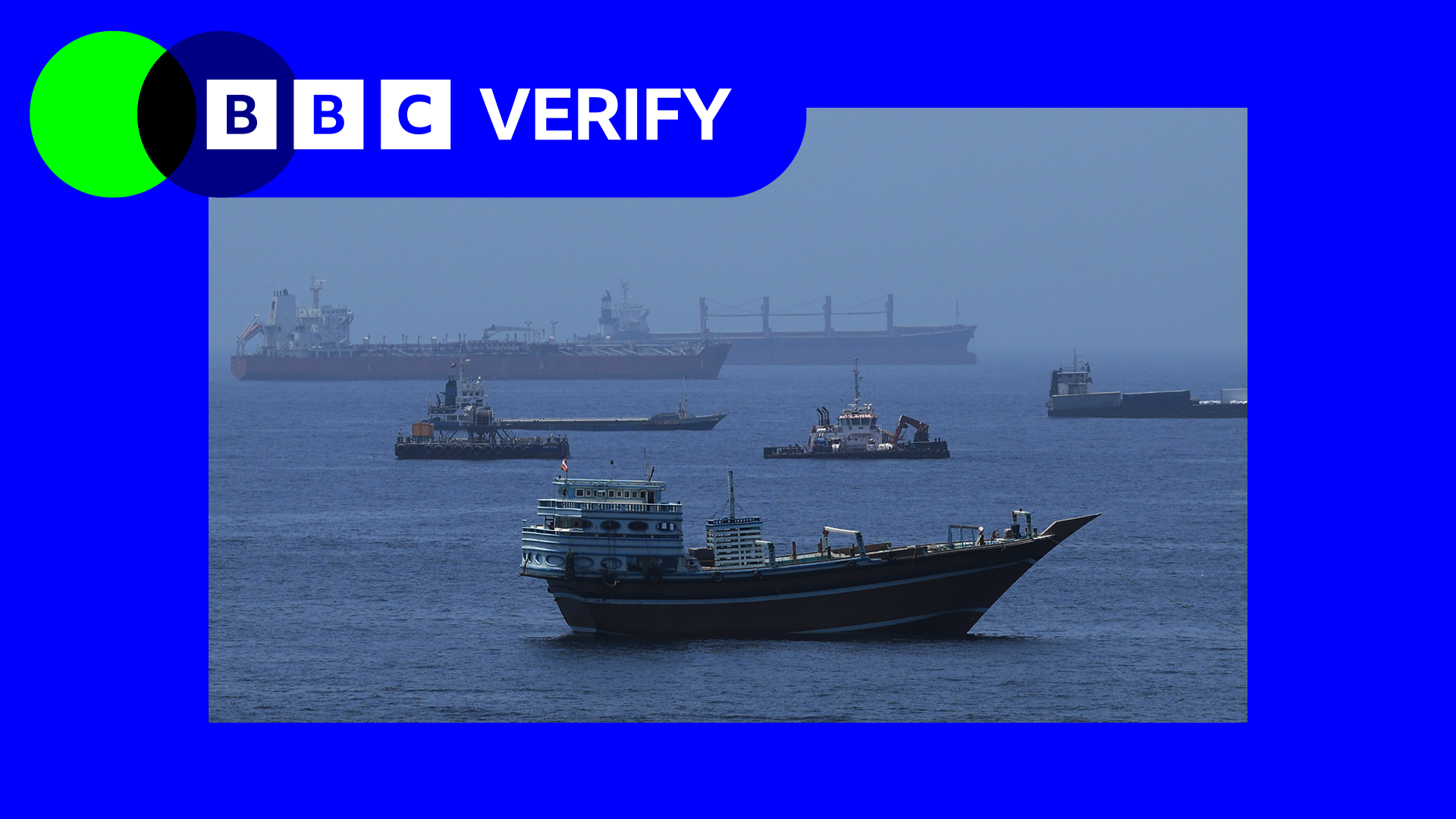
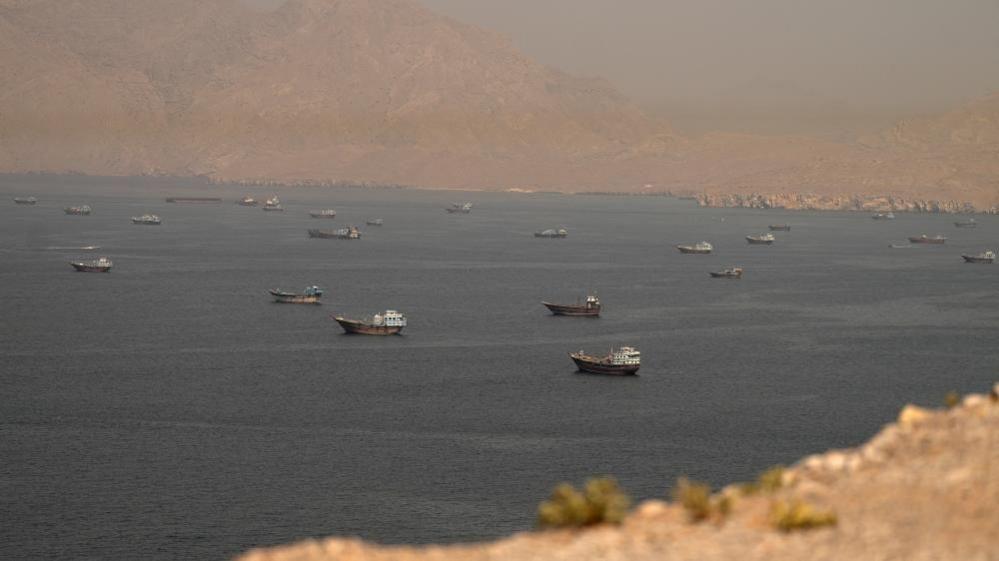
He also mentioned that the US would continue clearing mines from the Strait of Hormuz to ensure a safe passage for allied shipping. The US military, he added, was locked and loaded and prepared to resume attacks against Iran at an appropriate moment.
Despite claims of progress during the 20-hour negotiations in Islamabad, the US demands for Iran to abandon its nuclear ambitions were not met. A US official familiar with the discussions identified numerous unresolved issues regarding Iran's control over Hormuz and its support for regional proxy groups such as the Houthis in Yemen and Hezbollah in Lebanon.
While Trump’s comments did not carry the dramatic flair of last week's threat to obliterate Iranian civilization, they introduce a host of new challenges for the United States.
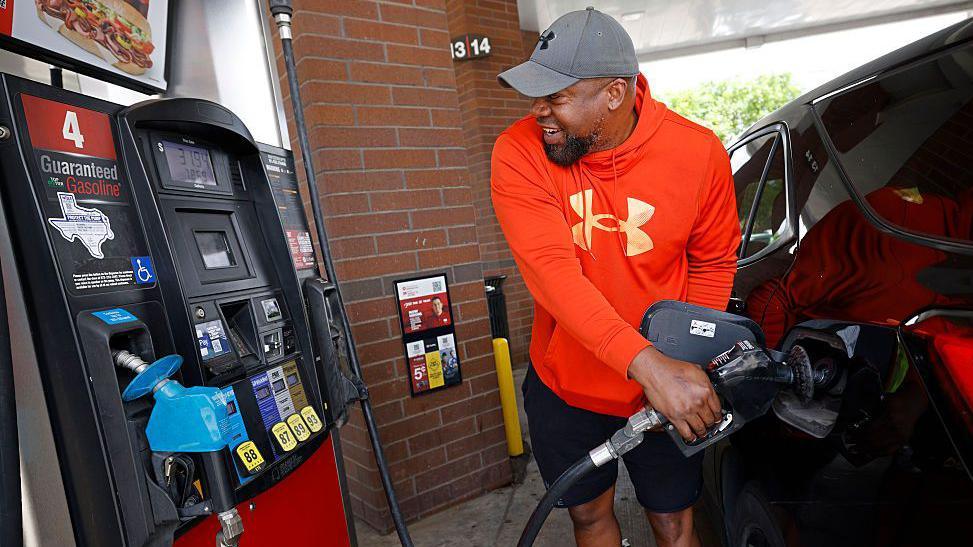
Questions arise regarding the safety of American naval vessels amidst mine-clearing operations and the criteria for enforcing the blockade on foreign-flagged ships that may disregard the restrictions. Moreover, concerns linger about the reactions from countries dependent on Iranian oil, like China, and the potential increase in oil prices resulting from the blockade.
Later on Sunday, the US military Central Command clarified that the naval blockade would halt all shipping to and from Iranian ports, complicating the operational landscape further.
Political leaders expressed mixed reactions; some, like Senator Mark Warner, questioned how the blockade might push Iran toward compliance, while others, such as Republican Congressman Mike Turner, viewed it as a necessary pressure tactic to catalyze dialogue.
As the conflict unfolds, it appears to be a test of wills, with Trump’s tolerance for economic and political fallout on one side and Iran's resilience against continual US and Israeli pressures on the other.
Ultimately, this threatening scenario could reshape the US position in the Middle East, reflecting a more aggressive stance with uncertain outcomes for international relations and domestic political ramifications ahead of upcoming elections.