Warning: This article contains themes you may find upsetting
Gina Russo was watching a gig with her fiancé Fred Crisostomi at The Station nightclub in Rhode Island in 2003 when disaster struck. The 80s rock band Great White set off pyrotechnic flares that ignited the acoustic foam lining the venue, creating a raging inferno that spread in moments, resulting in a horrific scene.
As the smoke filled the room, Gina and Fred rushed towards an exit, encountering chaos as a stampede ensued. Tragically, while Gina escaped, Fred lost his life in the fire, a cruel twist of fate for a couple enjoying their night out.
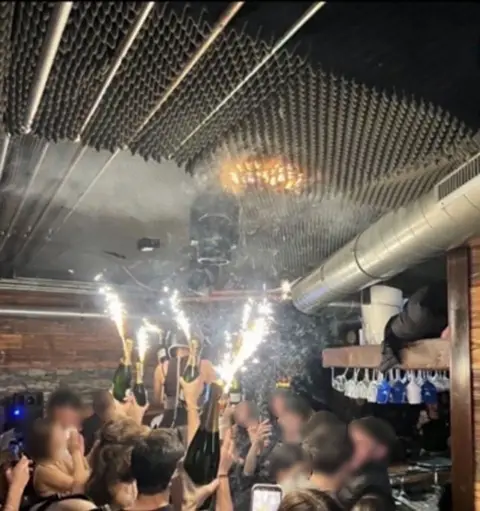
Fast forward to January 1, 2026, a similar fire broke out at Le Constellation bar in Switzerland during New Year's celebrations, resulting in grave consequences, including the loss of 40 lives, predominantly younger victims. The parallels between the two incidents highlight a critical need for reflection on fire safety.
Experts have noted the alarming similarities between both tragedies - indoor pyrotechnics triggered catastrophic fires, with victims having little time to escape in either case. The commonality of using foam insulation materials, which can exacerbate fire risks, raises pressing questions about regulations and fire safety measures.
Richard Hagger, a UK fire investigation consultant, stated with certainty that both fires likely shared ignition sources through the use of sparklers and other unsafe pyrotechnic practices. He advocated for stricter regulations regarding fire safety in public venues, particularly ones using aesthetic materials prone to catching fire.
The phenomenon known as 'flashover' is a critical moment in fire dynamics, characterized by an explosive spread of flames fueled by hot air reaching the combustible materials. Both incidents resulted in fatal conditions being reached within seconds, underscoring a harsh reality of fire emergencies.
Survivor accounts illustrate the confusion and inaction that can occur during such crises. Gina and Phil Barr, another survivor from The Station fire, noted that there was a delay in responding to the initial signs of danger, contributing to the tragic outcomes of both fires. Proposals from fire safety experts suggest that better public education on fire risks and preparedness could significantly improve survival rates in emergency situations.
Furthermore, an ongoing lack of uniform fire codes internationally means that lessons learned from past incidents do not always lead to actionable reforms. Without shared regulations or enforced safety measures, the risk of future tragedies sadly remains high.
As firefighters worldwide and safety advocates strive to rectify the weaknesses in fire safety, the tragic legacies of The Station nightclub and Le Constellation must stand as stark reminders of the price of neglecting this crucial aspect of public safety. Survivors like Gina and Phil continue to bear the emotional and physical scars, reinforcing the urgent call for comprehensive understanding and reform in fire safety regulations.