In brief
Senator Lindsey Graham has emphasized his long-standing support for aggressive actions against Iran, framing his push for military intervention as critical for national security. With Trump’s backing and strong funding, Graham aims for reelection in South Carolina while the broader Republican Party navigates the contentious political atmosphere surrounding the upcoming elections. Critics warn that his hawkish stance could influence the midterms, altering the Republican Party's strategy and approach during a time of division.
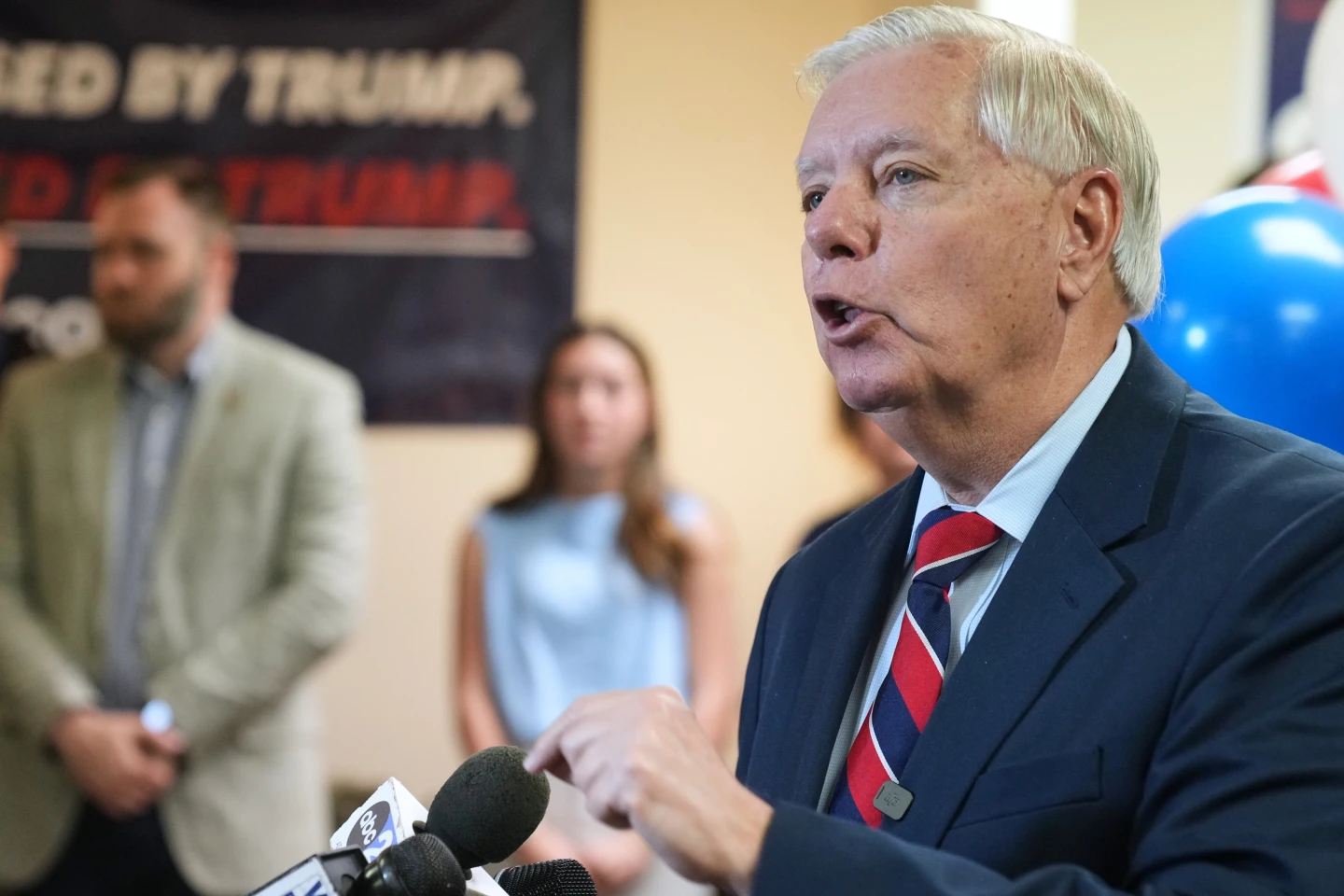
COLUMBIA, S.C. (AP) — Over three decades in Washington have placed Senator Lindsey Graham in a powerful position, as he aligns closely with President Donald Trump and supports the ongoing conflict with Iran. As he launches his campaign for a fifth term in South Carolina, the consequences of his hawkish stance become paramount for the Republican Party amid critical midterm elections.
\Despite widespread opposition to military action against Iran and soaring oil prices amid regional instability, Graham remains resolute. He claims a strong rapport with Trump, discussing strategy at campaign events that revolve around a military-first approach. Graham asserts that Iran poses an existential threat, likening its potential nuclear capabilities to historical aggressions.
\“If the radical cleric in Iran had a nuclear weapon, he would use it,” Graham stated, evoking historical fears of totalitarian threats. His rhetoric aims to galvanize support among conservative voters by framing military readiness as a non-negotiable aspect of national defense. Graham's unwavering commitment to confront Iran stems from over a decade of advocacy for direct military actions and skepticism towards diplomatic agreements like the Iran nuclear deal.
\Critics, including members of the Republican Party, voice concern over Graham’s aggressive approach, labeling him as overly eager to escalate military tensions. During numerous media appearances, he has pushed for unwavering military support, prompting some to question the prudence of his influence on Trump’s decision-making. Notably, Graham's assertion that he is a voice for military needs may both bolster his positioning within the party and draw skepticism from moderation-seeking voters.
\Leveraging his military hawk persona during election cycles, Graham has successfully fended off challengers who label him insufficiently conservative. In his latest reelection campaign announcement, he emphasized his alignment with Trump to maintain party unity, offering a vision of strong defense and active military engagement.
\“I’m running for the Senate to build up a military and use it wisely. I’m running for the Senate to help President Trump, not standing in his way,” Graham remarked, underlining his campaign strategy is both centrally focused on defense and reflective of broader Republican priorities as they face an increasingly polarized electorate.
\While Graham’s rhetoric may appeal to his base, it raises questions about potential ramifications for the GOP’s broader appeal and strategies in the upcoming election. The ongoing Iranian conflict remains a contentious backdrop that could reshape political dynamics and define his legacy within the party.
"