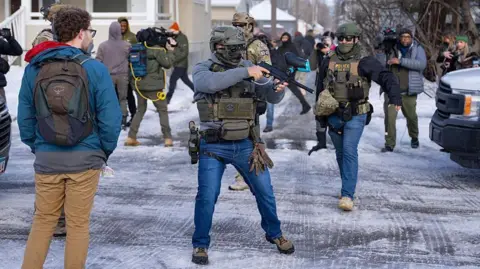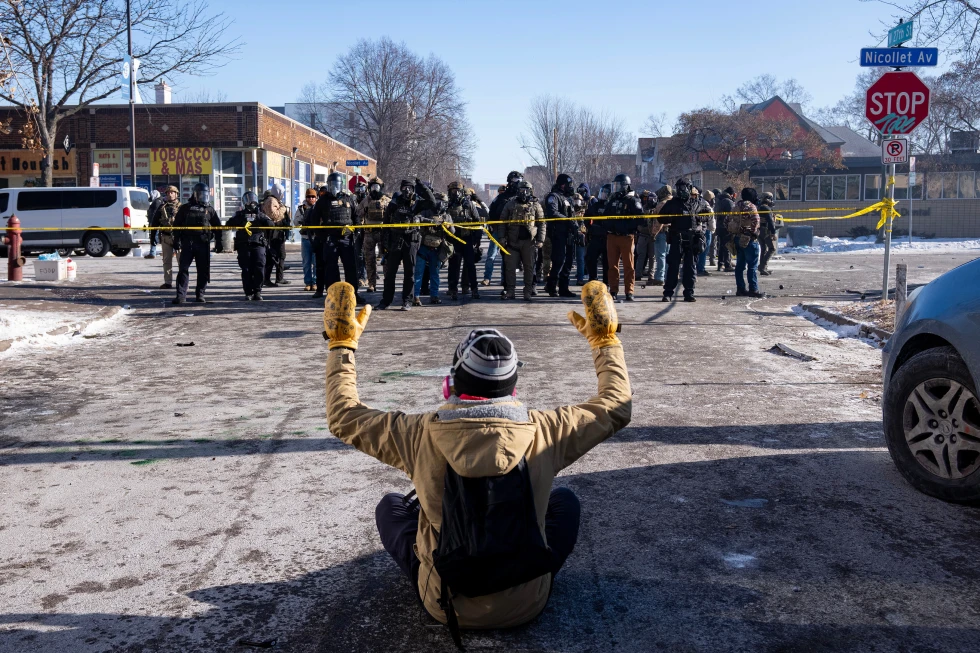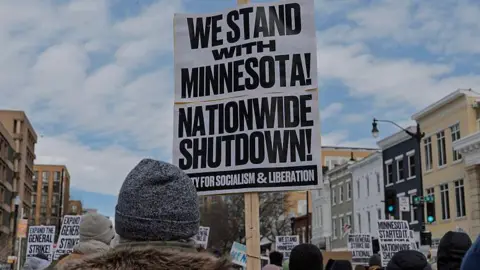
As tensions rise over federal immigration enforcement, local officials in several U.S. states are actively opposing the expansion of ICE detention facilities in their communities. Following fatal incidents linked to immigration enforcement, such as the tragic shootings of individuals in Minnesota, public scrutiny of ICE has intensified significantly.
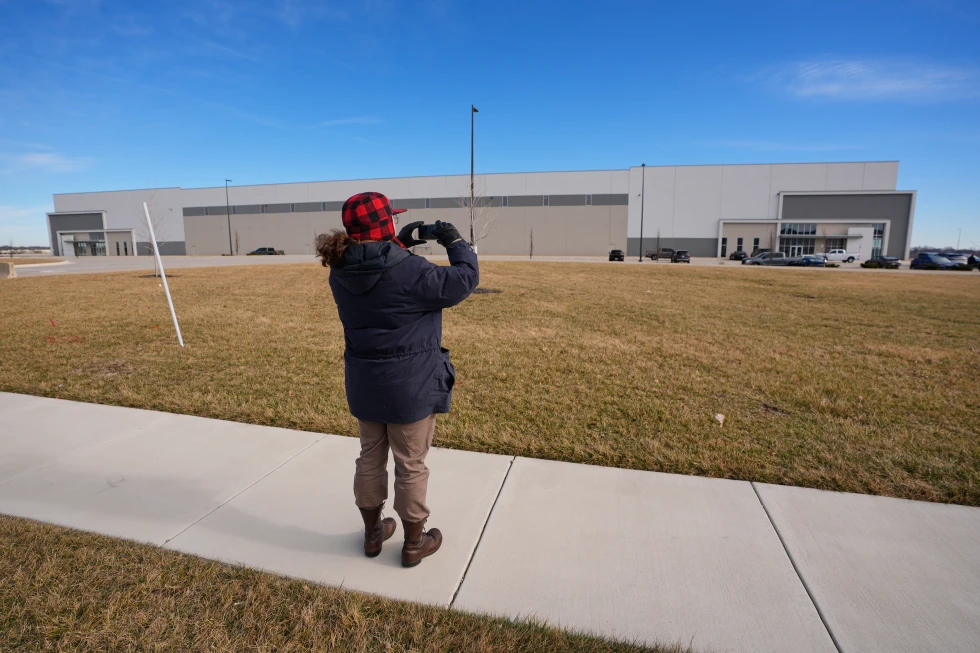
Federal agencies are targeting various cities for potential new detention centers, assisted by a substantial $45 billion funding initiative from recent tax reforms. However, many municipalities are responding with public dissent. For instance, a planned ICE facility near Richmond, Virginia, incited strong opposition during a public hearing where attendees expressed concerns about safety and community well-being.
Do you want what’s happening in Minnesota to occur in our backyard? asked local resident Kimberly Matthews, echoing the fears of many who suspect that such facilities could lead to violence similar to that witnessed in recent enforcement actions.
In an effort to curb these developments, Kansas City's council has passed an ordinance that blocks non-city-run detention centers, while mayors of Oklahoma City and Salt Lake City have pledged to prevent private property owners from leasing facilities for ICE use. Further legislative moves are emerging in Democratic-led states, such as New Mexico, which recently passed a measure to prevent local agreements with ICE that would facilitate the detention of immigrants.
Despite these efforts, legal challenges loom over the authority of local governments to outright ban ICE facilities. Federal rulings in recent years have indicated limits to local control over such federal operations. Kansas City, for example, is currently debating the legality of its newly adopted moratorium, and local officials are worried about the federal government's ability to impose its facilities regardless of local objections.
ICE insists that their expansion program is designed to meet regulatory standards, promising well-structured facilities to handle increasing numbers of detainees. The recent growth in their operations is notable; more than 70,000 immigrants are currently held in ICE facilities, a figure that has nearly doubled since the Trump administration took office.
As opposition continues to build, the coming months will be pivotal in determining how local governments navigate their legal limitations in dealing with ICE operations and how this will affect immigrant communities across the nation.