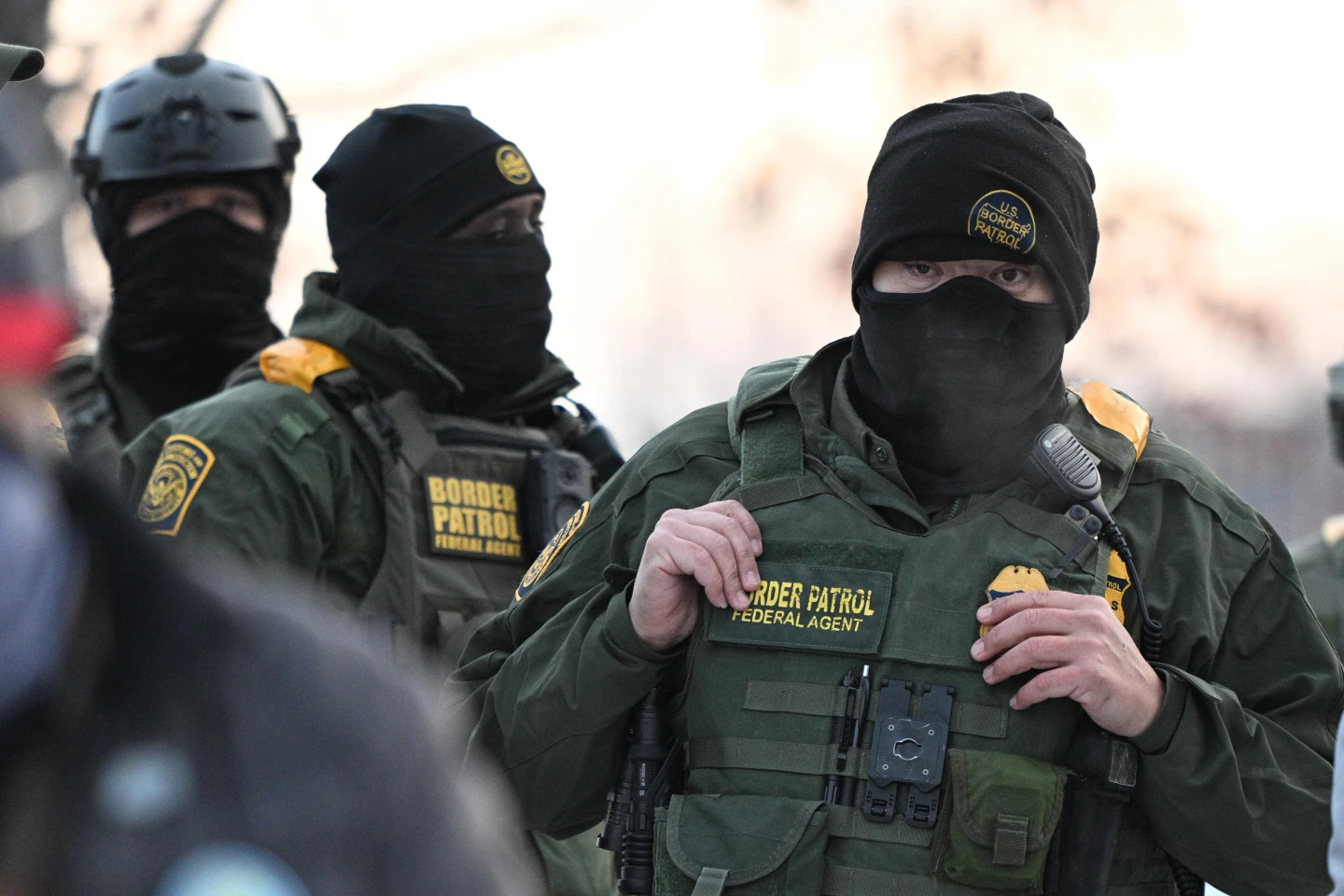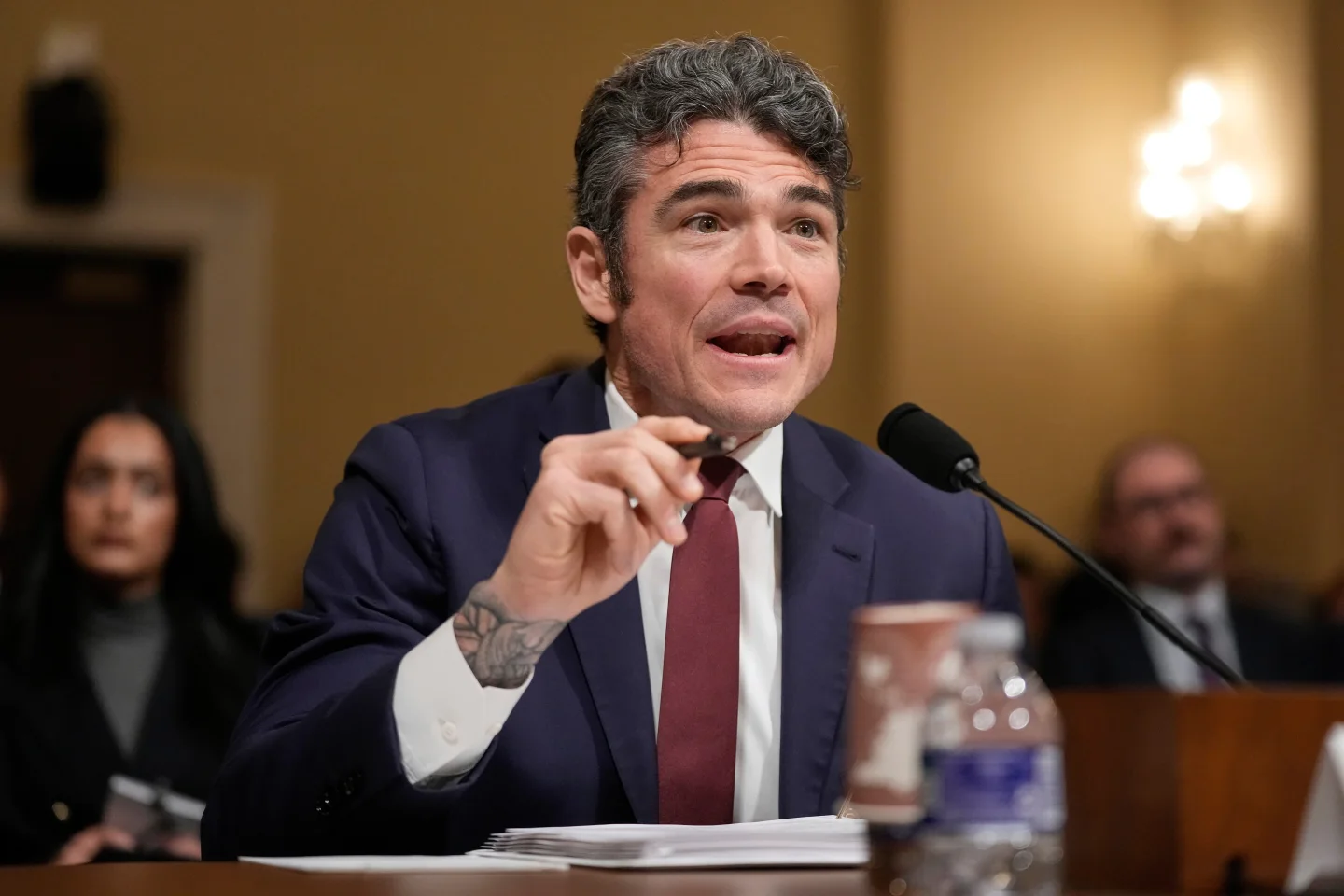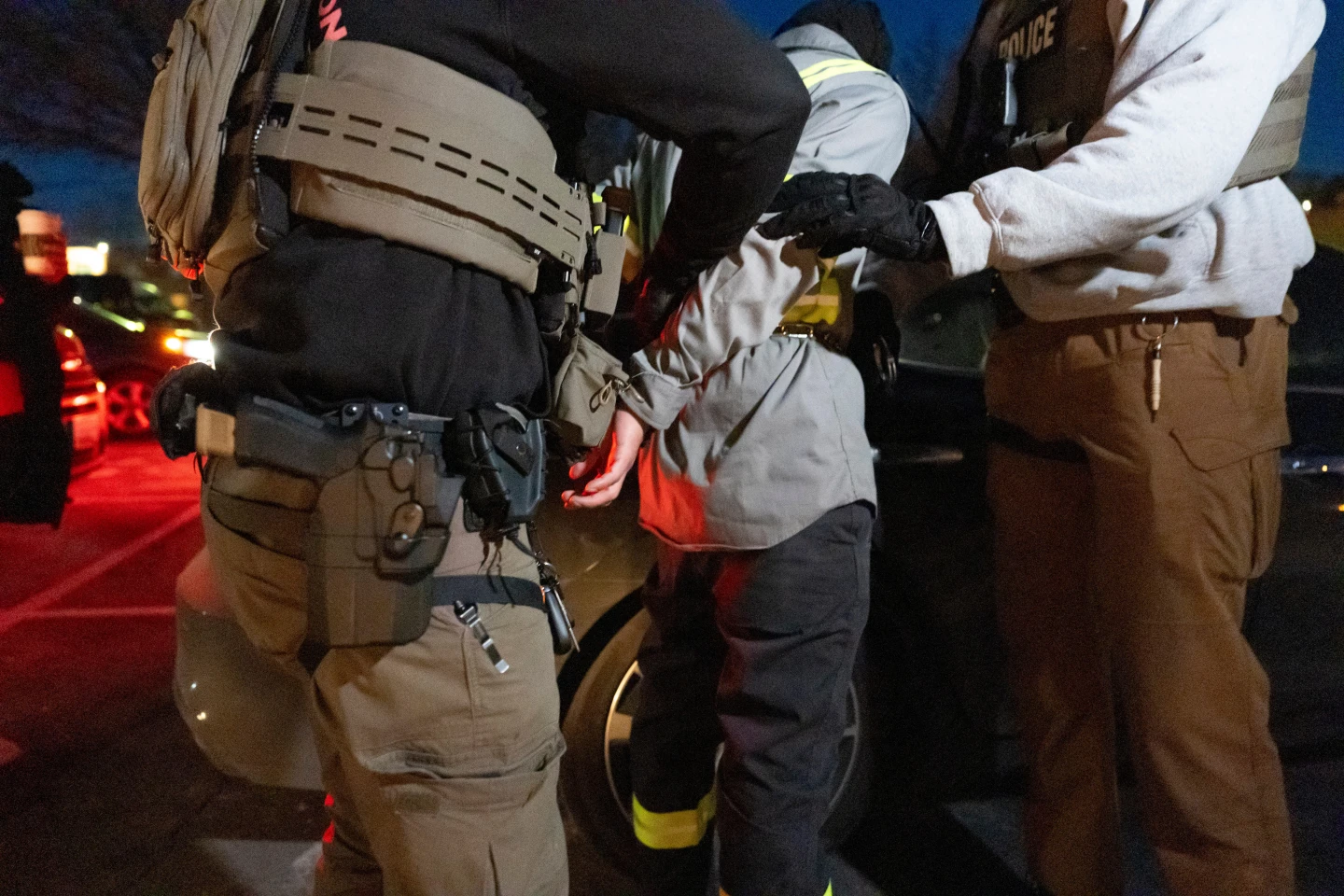
In the lead-up to the fall midterm elections, Democratic election officials are expressing deep concerns about the potential for federal interference in the electoral process. Following recent aggressive immigration enforcement actions in Minnesota, which led to the fatal shooting of two US citizens by federal agents, and a recent FBI search of an election office in Georgia, these officials fear new tactics aimed at disrupting the voting process.
During a recent gathering of state election officials, Democratic secretaries of state voiced apprehensions regarding possible actions from the Trump administration they believe could affect the elections. Increased law enforcement presence—particularly by immigration agents—near polling places, and threats of federal interventions have prompted discussions around crisis management and readiness.
Jocelyn Benson, the Michigan Secretary of State, warned of the evolving landscape, stating, It’s no longer just about ensuring everyone gets their ballots safely; there’s now an election security component that must be planned for.
In Georgia, recent FBI operations involved collecting ballots and election-related documents from a major election center, reopening old wounds over the legitimacy of the 2020 presidential election, a subject that Trump has consistently contested with unsubstantiated claims.
Officials from various states are now ramping up their contingency planning, with simulations and training sessions designed to address a range of potential crises, including bomb threats and law enforcement presence during voting.
Colorado’s Secretary of State has noted significant changes since Trump's administration began, particularly relating to the tracking and handling of election-related threats. Concerns linger over the possible manipulation of services like the U.S. Postal Service, which could undermine mail-in voting—a method vital for many voters.
Meanwhile, the Trump administration's attempts to acquire detailed voters' information from states have many election officials worried about privacy violations and potential legal ramifications.
Democratic officials assert that using federal forces to influence elections fundamentally undermines democratic processes, with comments from various secretaries reflecting a collective apprehension that such tactics could suppress voter turnout. As election officials brace for the midterms, the specter of armed federal agents—and the intimidation they could instill in voters—remains a contentious issue garnering attention across the political spectrum.
During a recent gathering of state election officials, Democratic secretaries of state voiced apprehensions regarding possible actions from the Trump administration they believe could affect the elections. Increased law enforcement presence—particularly by immigration agents—near polling places, and threats of federal interventions have prompted discussions around crisis management and readiness.
Jocelyn Benson, the Michigan Secretary of State, warned of the evolving landscape, stating, It’s no longer just about ensuring everyone gets their ballots safely; there’s now an election security component that must be planned for.
In Georgia, recent FBI operations involved collecting ballots and election-related documents from a major election center, reopening old wounds over the legitimacy of the 2020 presidential election, a subject that Trump has consistently contested with unsubstantiated claims.
Officials from various states are now ramping up their contingency planning, with simulations and training sessions designed to address a range of potential crises, including bomb threats and law enforcement presence during voting.
Colorado’s Secretary of State has noted significant changes since Trump's administration began, particularly relating to the tracking and handling of election-related threats. Concerns linger over the possible manipulation of services like the U.S. Postal Service, which could undermine mail-in voting—a method vital for many voters.
Meanwhile, the Trump administration's attempts to acquire detailed voters' information from states have many election officials worried about privacy violations and potential legal ramifications.
Democratic officials assert that using federal forces to influence elections fundamentally undermines democratic processes, with comments from various secretaries reflecting a collective apprehension that such tactics could suppress voter turnout. As election officials brace for the midterms, the specter of armed federal agents—and the intimidation they could instill in voters—remains a contentious issue garnering attention across the political spectrum.