Intensified Negotiations to Prevent US Government Shutdown Following Fatal Shooting
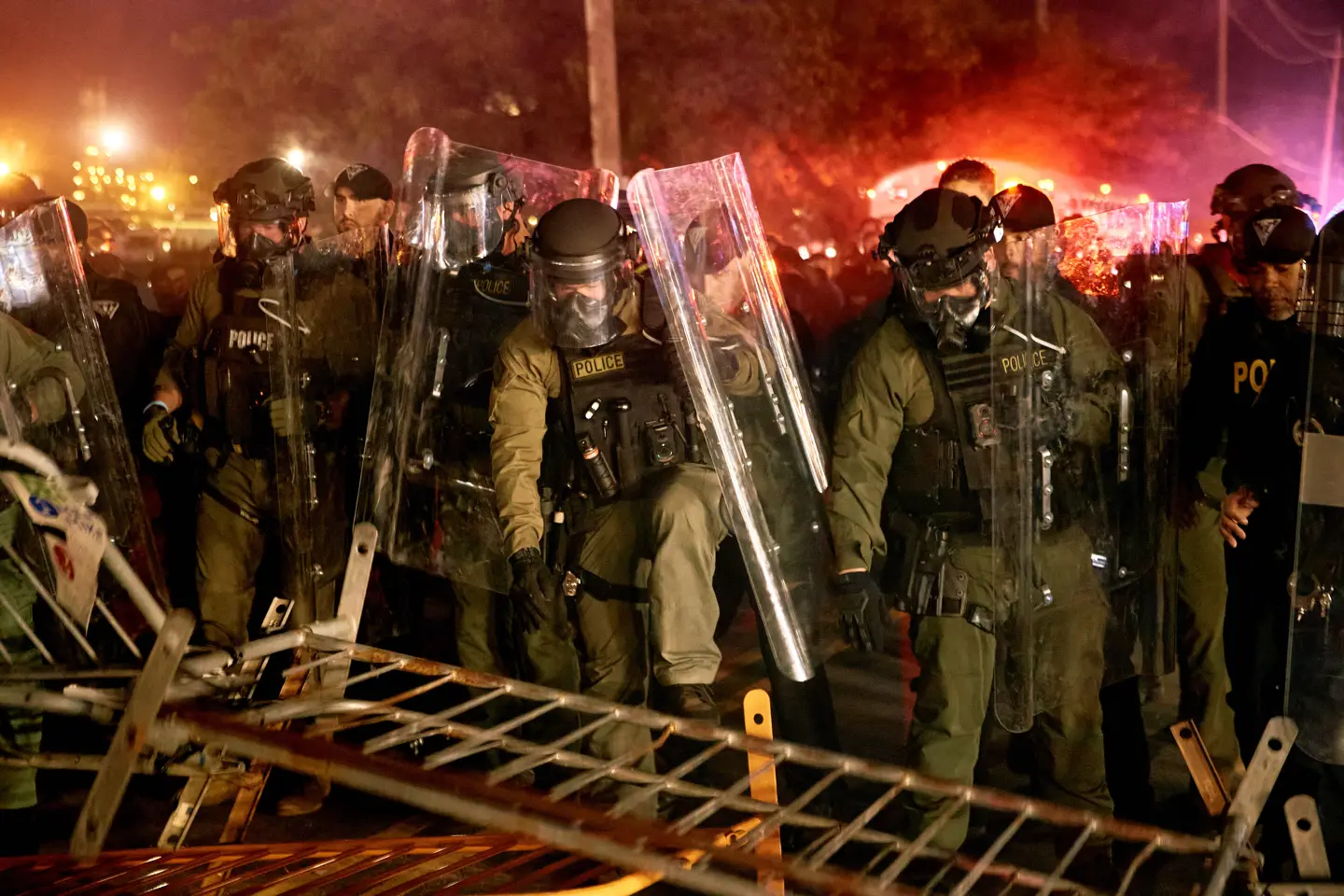
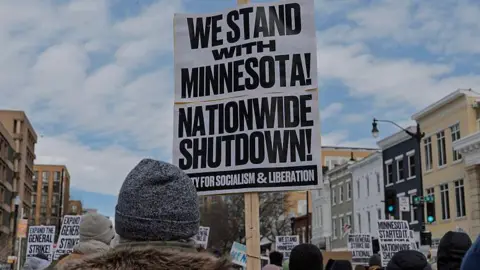
In the wake of the tragic shooting of a nurse by federal agents in Minneapolis, negotiations are intensifying in Washington to prevent a looming government shutdown. The incident has sparked significant backlash and prompted urgent discussions around federal immigration policies.
Democrats are advocating for the removal of funding for the Department of Homeland Security (DHS) from a $1.2 trillion spending bill unless additional oversight measures are implemented. They are particularly concerned about the recent death of 37-year-old Alex Pretti, which has led to calls for stricter controls over immigration enforcement initiatives.
Reports suggest that the White House and Senate Democratic leaders are closing in on an agreement that would appease Democratic demands for new restrictions on the activities of federal immigration agents. This could pave the way for five of the six necessary spending bills to be passed before the impending deadline this Friday, while allowing for further discussions on the DHS funding.
If negotiations do not culminate successfully, the US government could face its second shutdown in just a few months, starting at one minute past midnight on January 30. The previous shutdown, which lasted 43 days, was the longest in US history and left many federal employees without pay.
Implications of a Partial Shutdown
The upcoming spending bill, having passed in the House, requires at least 60 votes in the Senate to advance. Amendments proposed by Democrats include mandates for federal agents to acquire warrants prior to making arrests and clearer guidelines regarding their identification during operations.
Senate Minority Leader Chuck Schumer has publicly stated opposition to any legislation that funds Immigration and Customs Enforcement (ICE) without significant reforms. On the other hand, Republican leadership, including Senate Majority Leader John Thune, has been optimistic about the progress of ongoing negotiations.
Should a shutdown occur, it would primarily affect departments and agencies linked to the DHS, including the Coast Guard and border security, while numerous others, including the Justice Department and the FBI, would remain operational due to prior funding arrangements.
As both parties try to navigate these complex discussions, the fate of the nation's government hangs in the balance, alongside critical reforms in immigration policy.