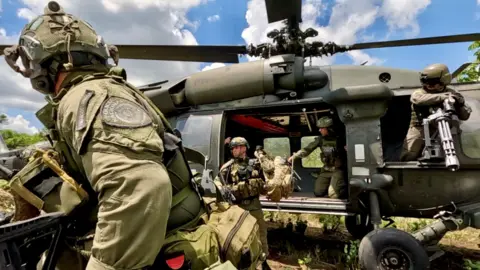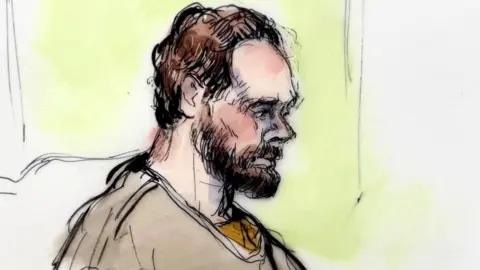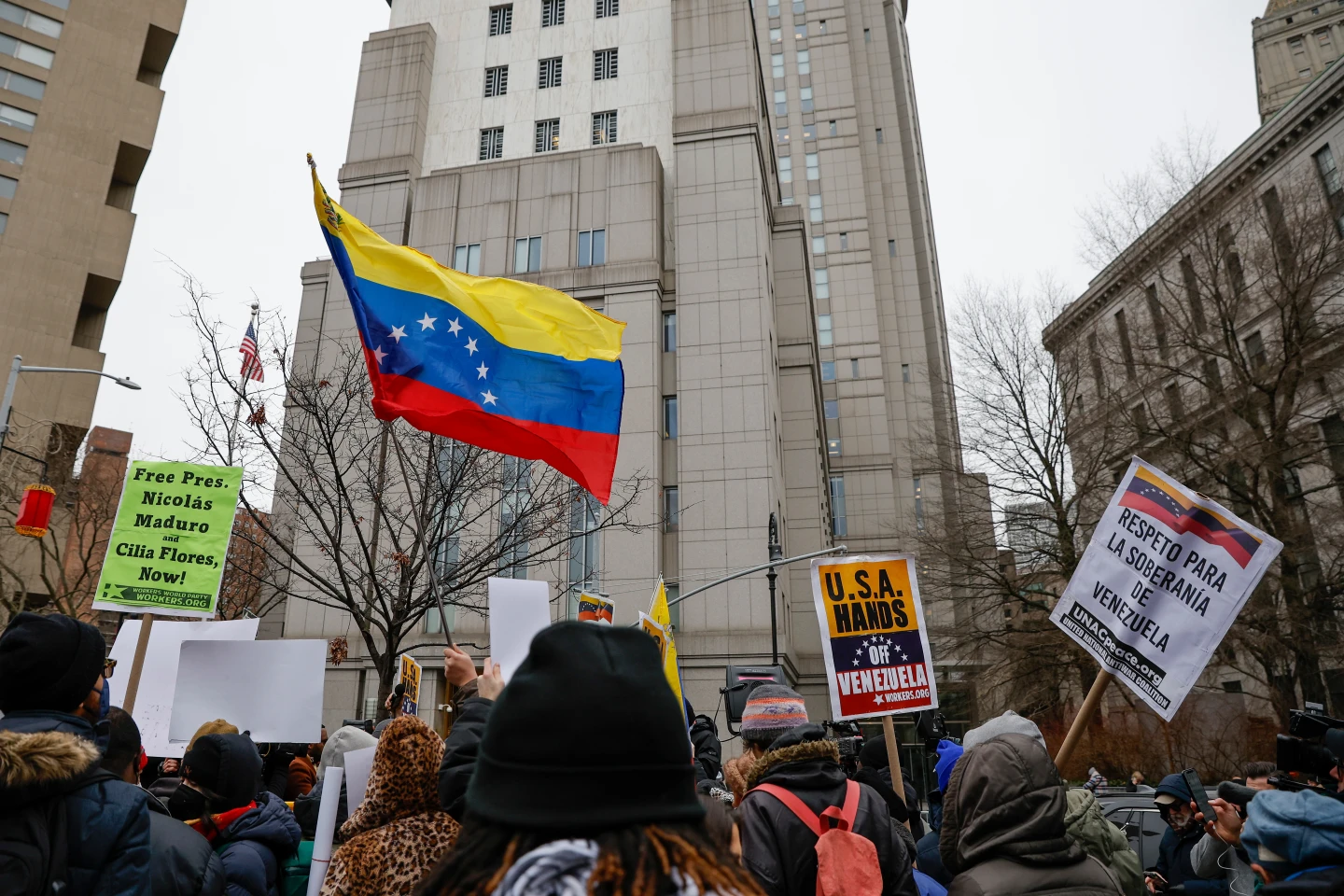
NEW YORK (AP) — Nicolás Maduro’s first court hearing in the U.S. — a spectacle where he proclaimed he is still Venezuela’s president — marks the beginning of a potentially long and complex legal journey. Days after being seized from their home in Caracas during a dramatic raid, Maduro and his wife, Cilia Flores, pleaded not guilty to serious drug trafficking charges. The U.S. government, under President Trump, justified the military operation as a necessary move against a leader accused of narco-terrorism.
In court proceedings, Maduro referred to his situation as a kidnapping, declaring himself a prisoner of war. Locked in a New York detention facility, both he and Flores face charges that could bring life sentences. Their next court appearance is set for March 17, and speculation about their potential release on bail looms amidst serious allegations against them.
Though seeking bail could be an option, legal experts suggest it may not be granted given the serious nature of their charges and flight risk concerns. History indicates that high-profile defendants, such as Manuel Noriega and Joaquín Guzmán, were denied bail in similar situations.
Additionally, medical concerns have arisen, as Flores has sustained injuries during her capture that require further evaluation. Maduro's health issues have also been noted, with both parties requesting appropriate medical care while in detention.
Maduro has expressed a desire for consular visits amid the legal turmoil, but the logistics are complicated by his previous closure of Venezuelan diplomatic missions in the U.S. Furthermore, legal representatives are prepared to challenge the legitimacy of the indictment based on claims of his sovereign status as a head of state, arguing for the immunities that should come with such a title.
As this high-stakes legal drama unfolds, the geopolitical implications and the unfolding story of a leader once recognized may draw international scrutiny and debate.
In court proceedings, Maduro referred to his situation as a kidnapping, declaring himself a prisoner of war. Locked in a New York detention facility, both he and Flores face charges that could bring life sentences. Their next court appearance is set for March 17, and speculation about their potential release on bail looms amidst serious allegations against them.
Though seeking bail could be an option, legal experts suggest it may not be granted given the serious nature of their charges and flight risk concerns. History indicates that high-profile defendants, such as Manuel Noriega and Joaquín Guzmán, were denied bail in similar situations.
Additionally, medical concerns have arisen, as Flores has sustained injuries during her capture that require further evaluation. Maduro's health issues have also been noted, with both parties requesting appropriate medical care while in detention.
Maduro has expressed a desire for consular visits amid the legal turmoil, but the logistics are complicated by his previous closure of Venezuelan diplomatic missions in the U.S. Furthermore, legal representatives are prepared to challenge the legitimacy of the indictment based on claims of his sovereign status as a head of state, arguing for the immunities that should come with such a title.
As this high-stakes legal drama unfolds, the geopolitical implications and the unfolding story of a leader once recognized may draw international scrutiny and debate.