Nearly 1,000 households displaced by catastrophic wildfires in Maui are anxiously awaiting word on whether federal assistance to help them stay housed will be allowed to expire, forcing them to find new housing or pay more in one of the most expensive rental markets in the United States.
For two and a half years, the Federal Emergency Management Agency (FEMA) has been pivotal in assisting these residents. However, with ongoing discussions in the Trump administration regarding diminishing FEMA's role in disaster recovery, the agency is set to decide in the coming weeks whether to cease funding.
Advocates caution that evicting renters and withdrawing financial assistance could undermine progress in bringing residents back to Lahaina, the West Maui town devastated by a massive fire on August 8, 2023, and could exacerbate homelessness and lead to further departures from the island.
“The prospect of these families entering our already strained rental market come February is daunting,” said Nicole Huguenin, executive director of the mutual aid organization Maui Rapid Response.
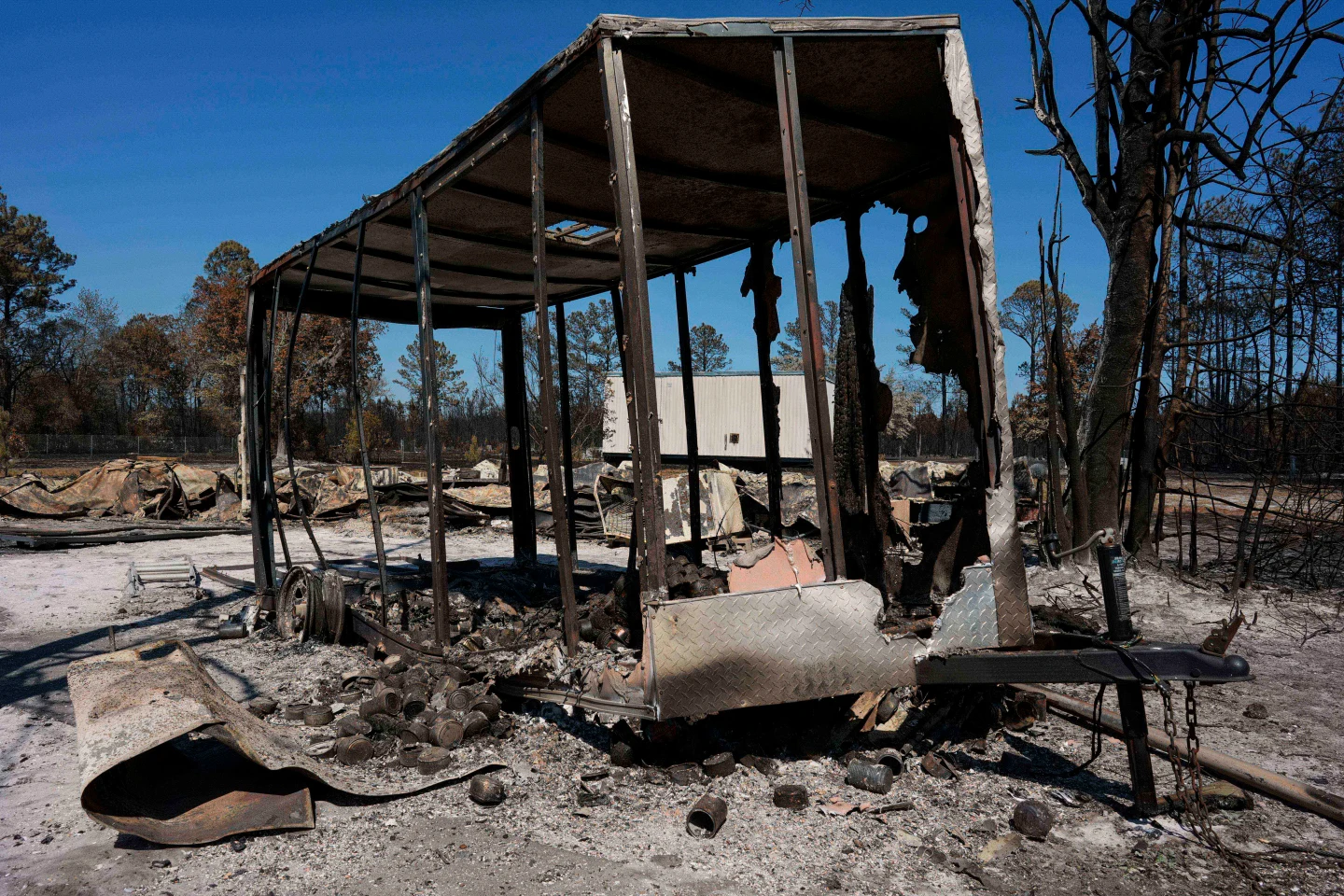
The Lahaina and Kula fires destroyed approximately 2,200 structures, claiming 102 lives. President Joe Biden’s administration declared a major disaster, unlocking FEMA assistance primarily aimed at the approximately 12,000 displaced individuals, 89% of whom were renters before the fires. Initially, the program was set for 18 months but was extended to February 2026.
With the housing situation still precarious and few homes rebuilt, the state had requested an extension last May, with a decision anticipated before the end of January.
As Maui county officials coordinate with the state and FEMA seeking an extension, residents remain uneasy. “It falls into the hands of the current administration, and I’m uncertain about how they view the amount we’ve had to utilize,” explained Kukui Keahi, a fire survivor who is currently in a FEMA-leased apartment.
Should the program end, all housing-related financial support for fire survivors would cease, mandating that those in FEMA-leased housing vacate their units. Maui County officials are optimistic about securing another extension.
A Unique Crisis
Despite other states experiencing megafires resulting in more home destruction, Maui's fires created a unique housing crisis. The island's limited housing options and geographical remoteness have complicated the relocation of survivors and the rebuilding of homes.
FEMA, state, county, and nonprofit entities rushed to find housing solutions for survivors eager to remain near Lahaina for work, schools, and community ties. Initial efforts by the Red Cross accommodated around 8,000 residents in hotels and temporary shelters. Over time, FEMA helped transition families with various housing assistance options, including financial aid for rent and leasing housing units directly. Some residents reported challenges in dealing with eligibility requirements and the necessity to relocate multiple times.
The U.S. Army Corps of Engineers assisted FEMA in creating Kilohana, a 167-unit modular housing complex overlooking Lahaina. This venture involved significant investment and logistical challenges, with the first family moving in 14 months ago.
Rising Rental Costs
If federal assistance ends, approximately 190 households in modular housing, 470 households in direct lease programs, and 280 reliant on financial assistance will face the harsh Maui housing market, which remains tight post-fire. The rental vacancy rate is under 2%, and no units are currently available at or below what the government designates as fair market rent.
The University of Hawaii Economic Research Organization indicated that displaced survivors report rental increases of 50-60% since the fires, with two- and three-bedroom units costing nearly double their pre-fire prices.
The premium rent charges have raised criticism, with blame directed partially toward FEMA’s housing programs, which have often incentivized landlords with above-market offers, amidst a housing shortage that predates the fires. “I want to pay what I paid before, but it's simply impossible,” lamented Keahi.
The sluggish recovery of Maui’s tourism-based economy also constrains what displaced tenants can afford. In light of the housing supply challenges, the county recently enacted legislation prohibiting short-term rentals in apartment-zoned areas starting in 2029, facing pushback from some stakeholders concerned about job and tourism impacts. Reconstruction is gaining pace, with 109 residential projects completed and 300 underway.
Hope for Extensions
FEMA's Administrators have hinted that if the assistance extension is granted, new “milestones” might be set for the state to speed up recovery efforts. Historical precedents show FEMA has extended housing assistance missions during other major disasters, with eligibility based on household needs and progress towards alternative housing solutions.
Locally, contingency plans are being crafted in case FEMA assistance ends, potentially involving taking control of the Kilohana community. Another nearby complex, Ka La’i Ola, is currently filled to capacity with a waitlist for its 450 modular units, available for up to five years without rent.