Unprecedented minimum wages for thousands of nursing home workers in Minnesota have been delayed once again, as announced by Leah Solo, executive director of the state's Nursing Home Workforce Standards Board. During a board meeting, Solo stated that the Trump administration has reset its review process, which was originally designed to take 90 days. This means that the wage floor, which stipulates that nursing facility employees must earn at least $19 an hour this year and $20.50 by 2027, must undergo further scrutiny from federal authorities.
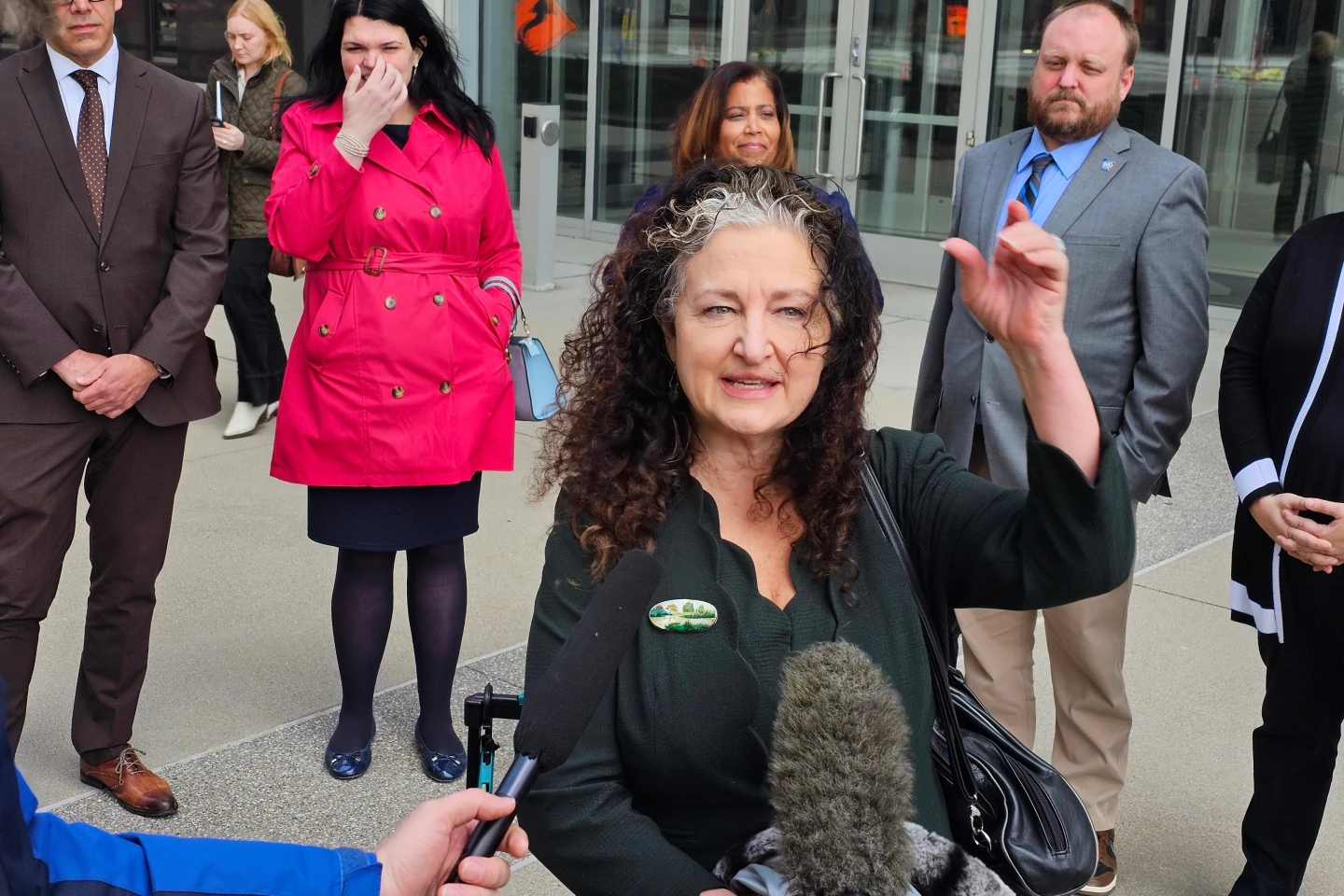
“I hate to bring bad news,” Solo told the board, which was grappling with this unexpected bureaucratic hurdle. This delay is the second major setback since the wage hike was initially set to go into effect on January 1. The workforce board, launched to address staffing and care quality in nursing homes, is also currently facing a lawsuit from nursing homes seeking its dissolution.
The federal Centers for Medicare and Medicaid Services (CMS) must approve the wage floor, as the funding request includes an $18 million contribution from both the federal and state Medicaid programs to facilitate these wage increases. However, only 89 days into the legal review, CMS contacted the Minnesota Department of Human Services within the last week to request additional information, which has reset the timeline again.
As of Thursday, the Department of Human Services is working to respond to CMS's inquiries, although the specific details of these requests remain unclear. Previously, the wage increase was delayed due to the department's inefficiency in submitting necessary documents to CMS, which has affected the implementation timeline.
These wage regulations are a significant aspect of a broader movement by labor unions in several states to increase compensation for nursing home workers, seen as essential for ensuring quality care. Minnesota is leading the way in this effort, focusing specifically on the nursing home sector amidst a historical context of social support programs. Nevertheless, the industry has expressed strong opposition, alleging the workforce board's actions impose undue harm on their operations.
A federal court hearing regarding the industry's request for an injunction against the workforce board is scheduled for next month, further complicating the situation. Solo withheld commenting on the ongoing lawsuit but indicated the board's meeting was partially dedicated to discussing the litigation.
This narrative reflects ongoing efforts and challenges in addressing the compensation and working conditions of essential healthcare workers during a time when workforce stability is crucial for the wellbeing of patients.