In brief
In West Virginia, many residents are facing a shocking increase in electric bills, with some monthly charges exceeding their incomes. For individuals like Rebecca Michalski, living on a fixed income has become unsustainable as utility costs rise sharply despite their efforts to conserve energy. The state, rich in energy resources, has paradoxically become known for its high electricity rates, further complicating the economic landscape for its citizens. Amid heightened demand, adverse weather, and an outdated energy grid, families are left with tough choices between paying for heat or food.
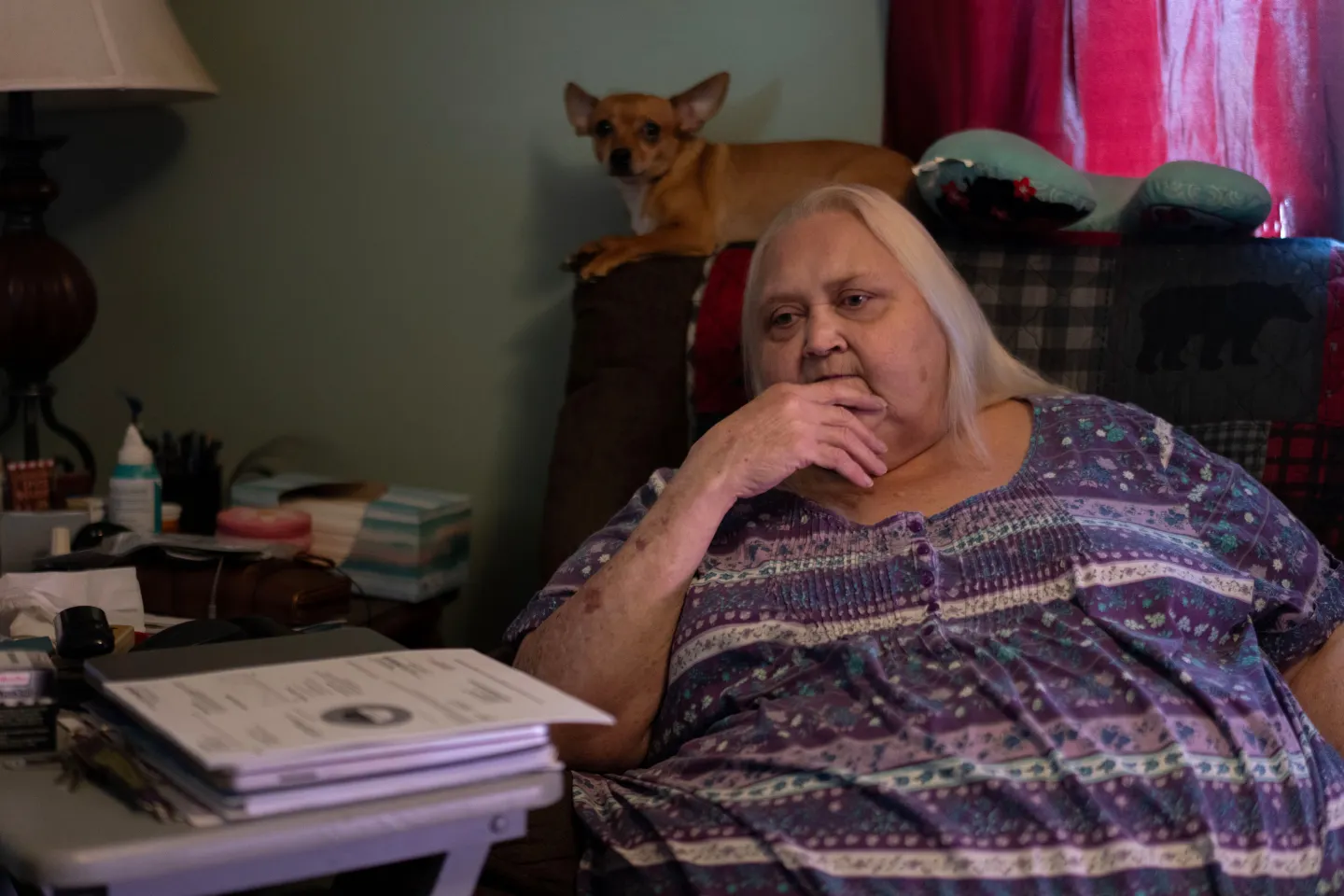
RAINELLE, W.Va. (AP) — Every month, Rebecca Michalski takes a deep breath before opening her electric bill. She lives on a fixed income, and heating her small house this winter has been staggering: Her February charge was $940.08 — more than her check.
It makes no sense. She turns the lights off during the day and only burns one lamp with an energy-efficient bulb in the living room at night, but she keeps falling further behind on payments. In desperation, she took out a loan after getting a cut-off notice during an extended arctic blast that kept the state’s heaters cranking when temperatures regularly dipped below zero.
“Every time you see that power bill, you’re just sick,” Michalski said, rifling through a stack of statements totaling thousands of dollars. “I already know before I open it. I just dread seeing how much.”
She’s taken to social media, demanding answers alongside thousands of other West Virginians who have been posting screenshots of their monthly charges. They are angry and perplexed over soaring utility costs that are surpassing rents and mortgages in one of the most energy-rich, yet poorest, corners of America, where some families have been forced to choose between paying for food or heat.
Trump’s promises to cut electricity bills in half during his presidency have not materialized, leading to frustration among voters. Increased demand, extreme weather, aging infrastructure, and rising natural gas prices have pushed bills higher, affecting not just the financially vulnerable but families from all walks of life.
Last winter, many families confined themselves to one room with space heaters, or turned down their thermostat significantly to cope with record high bills. The struggle is evident, as nonprofits report a surge in requests for assistance among families struggling to stay warm.
As costs continue to rise, community advocates argue for more transparency and action from local lawmakers, pointing to the undue burden on families like Michalski’s and the growing need for energy reforms in a state rich in resources but challenged by outdated energy practices.
In a state where coal has dominated its economy, the transition to cleaner, more sustainable energy sources has been slow, resulting in a costly reliance on older coal-fired plants.
Without intervention, many residents fear their power will be cut off, leaving them without heat or light amidst the true costs of their utilities. “It’s breaking me,” Michalski declared, reflecting both her personal struggle and a larger crisis affecting many in her community. “And I think for a lot of other people, it’s gonna happen too.”